Pediatric Physical Therapy for Children
Pediatric physical therapy for children – Pediatric physical therapy plays a crucial role in the overall development of children. It focuses on improving mobility, strength, balance, coordination, and motor skills in young patients.
Common Conditions Requiring Pediatric Physical Therapy
- Cerebral Palsy
- Developmental Delays
- Sports Injuries
- Torticollis
- Orthopedic Conditions
Role of Pediatric Physical Therapist
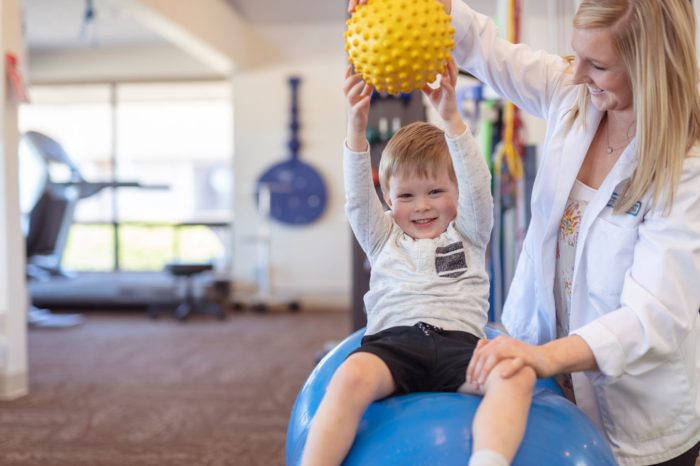
A pediatric physical therapist assesses a child’s needs and creates individualized treatment plans to address specific challenges. They use a variety of techniques such as exercises, stretches, and activities to help children reach their full potential.
Benefits of Early Intervention
- Improves Motor Skills: Early intervention can help children develop fundamental motor skills essential for everyday activities.
- Enhances Independence: By addressing issues early on, pediatric physical therapy can promote independence in children as they grow.
- Prevents Secondary Complications: Early intervention can prevent secondary complications associated with certain conditions, promoting overall well-being.
Healthy Snacks
When it comes to children’s nutrition, providing healthy snacks is crucial for their overall well-being. Nutritious snacks not only fuel their bodies but also support their energy levels and concentration throughout the day.
Examples of Nutritious Snacks
- Fresh fruits like apples, bananas, and berries
- Vegetable sticks with hummus or yogurt dip
- Whole grain crackers with cheese
- Greek yogurt with honey and granola
- Homemade trail mix with nuts, seeds, and dried fruits
Impact of Healthy Snacks on Children’s Energy Levels and Concentration
Healthy snacks provide a steady source of energy and essential nutrients that help children stay focused and alert. By avoiding sugary and processed snacks, children can maintain stable blood sugar levels, leading to sustained energy throughout the day.
Tips to Encourage Healthy Snack Choices
- Involve children in meal planning and grocery shopping to make them more excited about healthy options.
- Set a good example by eating nutritious snacks yourself and emphasizing their benefits.
- Make healthy snacks easily accessible by prepping them in advance and storing them at eye level in the fridge or pantry.
- Offer a variety of options to cater to different taste preferences and provide a balanced mix of nutrients.
Role of Balanced Nutrition in Supporting Overall Health
Balanced nutrition is essential for children’s growth, development, and overall health. By ensuring they receive a variety of nutrients from different food groups, children can maintain a strong immune system, healthy weight, and optimal cognitive function. Encouraging healthy snack choices is just one part of promoting a well-rounded diet that supports their physical and mental well-being.
Wellness Programs
Wellness programs for children encompass a holistic approach to promoting overall health and well-being. These programs focus on physical, mental, and emotional aspects to ensure children develop healthy habits early on.
Components of a Holistic Wellness Program
- Regular physical activity: Engaging in activities like running, swimming, or playing sports helps children stay active and maintain a healthy weight.
- Healthy nutrition: Providing balanced meals and snacks rich in vitamins, minerals, and nutrients is essential for children’s growth and development.
- Mental health support: Offering counseling services, stress management techniques, and mindfulness practices can help children cope with challenges and build resilience.
- Social interaction: Encouraging positive relationships with peers, family, and community members fosters emotional well-being and a sense of belonging.
Importance of Mental Health Support
Mental health support plays a crucial role in wellness programs for children as it helps them develop coping mechanisms, emotional intelligence, and self-awareness. Addressing mental health early on can prevent the onset of anxiety, depression, and other mental health disorders in the future.
Physical Activities in Wellness Programs
- Yoga: Practicing yoga can improve flexibility, strength, and concentration while promoting relaxation and stress relief.
- Dance: Participating in dance classes or activities enhances coordination, creativity, and cardiovascular fitness.
- Hiking: Exploring nature through hiking not only provides physical exercise but also fosters a connection to the outdoors and promotes mental well-being.
Promoting Healthy Habits and Preventing Chronic Illnesses
Wellness programs can instill healthy habits in children from a young age, such as regular exercise, balanced nutrition, and stress management techniques. By promoting these habits, wellness programs can reduce the risk of chronic illnesses like obesity, diabetes, and heart disease later in life.
Health Coaching
Health coaching plays a crucial role in supporting children’s health goals by providing personalized guidance and motivation to help them adopt healthier lifestyles. By working closely with a health coach, children can make informed choices about their health and well-being, leading to long-term benefits.
Role of a Health Coach
Health coaches use a variety of strategies to motivate children towards healthier lifestyles, such as setting achievable goals, providing education on nutrition and exercise, and offering ongoing support and encouragement. By building a positive and trusting relationship with the child, health coaches can empower them to take control of their health and make positive changes.
Benefits of Personalized Health Coaching
- Customized guidance tailored to the child’s specific needs and preferences.
- Support in setting realistic goals and creating sustainable habits.
- Accountability and motivation to stay on track with health goals.
- Educational resources and tools to help children make informed decisions about their health.
- Improved overall well-being and confidence in managing their health.
Empowerment through Health Coaching
Health coaching empowers children to make informed choices about their health by providing them with the knowledge, skills, and support needed to lead a healthy lifestyle. By encouraging children to take an active role in their health and well-being, health coaches help them develop a sense of ownership and responsibility for their own health outcomes.
Medical Advancements: Pediatric Physical Therapy For Children
Advancements in pediatric medical treatments and therapies have revolutionized the way healthcare is provided to children, especially those with complex health conditions. These breakthroughs have not only improved outcomes but also enhanced the quality of life for many young patients.
Innovative Technologies in Pediatric Healthcare
- Gene Therapy: Gene editing technologies have opened up new possibilities for treating genetic disorders in children, offering hope for conditions that were previously considered untreatable.
- Telemedicine: Remote consultations and virtual visits have made healthcare more accessible to children in rural or underserved areas, ensuring timely intervention and monitoring.
- Robotic Surgery: Minimally invasive procedures performed by robotic systems have reduced recovery times and complications for pediatric patients undergoing surgery.
Impact on Pediatric Physical Therapy Practices
- Personalized Treatment Plans: Medical advancements have allowed for a more tailored approach to pediatric physical therapy, considering each child’s unique needs and abilities.
- Integration of Virtual Reality: Virtual reality tools are being used in physical therapy sessions to engage children in fun and interactive exercises, promoting faster recovery and better adherence to treatment.
- Biomechanical Analysis: Advanced technologies for biomechanical analysis help therapists better understand a child’s movement patterns and design targeted interventions for improved outcomes.
Fitness Goals
Setting age-appropriate fitness goals for children is crucial for their overall development and well-being. It helps instill healthy habits from a young age and encourages them to stay active. Making fitness goals fun and engaging is key to keeping children motivated and interested in physical activities.
Tips for Making Fitness Goals Fun
- Incorporate games and challenges into their exercise routine to make it enjoyable.
- Set realistic and achievable goals to boost their confidence and sense of accomplishment.
- Involve the whole family in physical activities to create a supportive environment.
- Encourage participation in sports or group activities to promote social interaction and teamwork.
Role of Pediatric Physical Therapy
Pediatric physical therapy plays a vital role in helping children achieve their fitness goals. Therapists work closely with children to assess their individual needs and create personalized exercise plans. They provide guidance, support, and motivation throughout the rehabilitation process, making sure children stay on track and reach their goals effectively.
Success Stories
One success story involves a young child who struggled with mobility issues due to a medical condition. Through pediatric physical therapy, the child gradually improved their strength, coordination, and flexibility, eventually being able to participate in sports and other physical activities with confidence.
Another inspiring story is of a teenager who set a goal to run a marathon despite facing physical challenges. With the help of therapy and dedicated training, the teenager not only completed the marathon but also gained a sense of accomplishment and resilience.
Balanced Nutrition
Proper nutrition plays a crucial role in the growth and development of children. It is essential to provide children with a balanced diet to ensure they receive the necessary nutrients for their overall well-being.
Guidelines for Creating Balanced Meals
- Include a variety of fruits and vegetables in their daily meals to ensure they get essential vitamins and minerals.
- Incorporate whole grains, such as whole wheat bread and brown rice, for fiber and sustained energy.
- Include lean proteins like chicken, fish, beans, and legumes to support muscle growth and repair.
- Limit processed foods and sugary snacks to maintain a healthy weight and reduce the risk of chronic diseases.
Impact of Balanced Nutrition
Balanced nutrition not only supports physical growth but also has a significant impact on children’s cognitive abilities. Nutrient-rich foods help in brain development, improving concentration, memory, and overall cognitive function.
Tips for Instilling Healthy Eating Habits
- Lead by example by eating nutritious meals yourself and involving children in meal preparation.
- Offer a variety of healthy options and allow children to choose what they want to eat from those options.
- Encourage children to listen to their hunger cues and eat when they are hungry, not out of boredom or emotions.
- Make mealtime enjoyable by sitting together as a family, without distractions like screens, to promote mindful eating.
Mental Strength
Children’s mental strength plays a crucial role in their overall well-being. It helps them navigate challenges, cope with stress, and build resilience for the future. Pediatric physical therapy can also play a significant role in enhancing children’s mental strength by promoting confidence, perseverance, and a positive mindset.
Strategies to Build Resilience
- Encouraging a growth mindset: Teach children that challenges are opportunities to learn and grow.
- Practice mindfulness: Teach children to be present in the moment and manage their emotions effectively.
- Promote physical activity: Regular exercise can help reduce stress and improve mood.
Activities for Mental Resilience
- Journaling: Encourage children to write about their thoughts and feelings to process emotions.
- Art therapy: Engaging in creative activities can help children express themselves and relieve stress.
- Team sports: Participating in team sports can teach children valuable lessons in teamwork, communication, and perseverance.
Yoga Practice
Yoga is a beneficial practice for children’s physical and mental health, offering a holistic approach to well-being. It combines physical postures, breathing exercises, and mindfulness techniques to promote overall wellness in children.
Benefits of Yoga for Children
- Improves flexibility: Yoga helps children develop flexibility in their muscles and joints, reducing the risk of injuries during physical activities.
- Builds strength: Practicing yoga poses requires muscle engagement, helping children build strength in various parts of their bodies.
- Enhances concentration: The focus on breathing and body awareness in yoga can improve children’s concentration and attention span, benefiting their academic performance.
- Promotes relaxation: Yoga teaches children relaxation techniques that can reduce stress and anxiety, promoting emotional well-being.
Age-Appropriate Yoga Poses and Activities
- Tree Pose: Standing on one leg with the other foot placed on the inner thigh of the standing leg, children can improve balance and focus.
- Cat-Cow Stretch: Moving between arching and rounding the back while on all fours can help children stretch their spine and improve flexibility.
- Butterfly Pose: Sitting with the soles of the feet together and gently pressing the knees down can stretch the inner thighs and groin area.
Incorporating Yoga into Daily Routines
- Start with short sessions: Begin with a few minutes of yoga each day and gradually increase the duration as children become more comfortable with the practice.
- Make it fun: Use storytelling or play games to engage children in yoga poses and make the practice enjoyable for them.
- Set a routine: Establish a regular yoga practice time, such as before bedtime or after school, to make it a consistent part of children’s daily routines.
Health Education
Health education plays a crucial role in empowering children to make informed choices about their health and well-being. By providing them with the knowledge and skills to understand the importance of healthy habits, children can develop positive behaviors that will benefit them throughout their lives.
One of the key aspects of a comprehensive health education curriculum for children should include topics such as nutrition, physical activity, mental health, hygiene, disease prevention, and safety. By covering these areas, children can learn how to take care of their bodies, make healthy food choices, manage stress, prevent illnesses, and stay safe in various environments.
Health education can significantly contribute to disease prevention and health promotion in children by teaching them how to adopt healthy lifestyles and behaviors. By raising awareness about the importance of regular exercise, balanced nutrition, good hygiene practices, and mental well-being, children can reduce their risk of developing chronic diseases later in life.
Examples of interactive and engaging health education methods for children include interactive games, hands-on activities, role-playing scenarios, group discussions, and multimedia presentations. By incorporating fun and interactive elements into health education sessions, children are more likely to stay engaged, retain information, and apply what they have learned in their daily lives.
Weight Management
Maintaining a healthy weight in children is crucial for their overall well-being and long-term health. It is essential to address factors that contribute to healthy weight management and promote positive body image and self-esteem in children from a young age.
Factors Contributing to Healthy Weight Management
- Balanced nutrition: Encouraging children to consume a variety of fruits, vegetables, whole grains, and lean proteins can help them maintain a healthy weight.
- Regular physical activity: Engaging in regular exercise and physical activities not only helps in weight management but also promotes overall health and well-being.
- Adequate sleep: Sufficient sleep is essential for proper growth and development, as well as weight management in children.
- Limiting screen time: Excessive screen time, including TV, computers, and mobile devices, can contribute to weight gain in children. Setting limits on screen time is important for maintaining a healthy weight.
Promoting Healthy Body Image and Self-Esteem
- Encouraging positive self-talk: Helping children develop a positive self-image through affirmations and encouragement can boost their self-esteem.
- Emphasizing inner qualities: Focusing on character traits, skills, and talents rather than physical appearance can help children develop a healthy body image.
- Leading by example: Parents and caregivers can set a positive example by practicing self-love, healthy habits, and positive body image themselves.
Role of Pediatric Physical Therapy in Supporting Weight Management Goals
- Customized exercise programs: Pediatric physical therapists can design tailored exercise programs to help children reach their weight management goals safely and effectively.
- Improving mobility and strength: Physical therapy sessions can focus on improving mobility, strength, and coordination to enhance physical fitness and support weight management.
- Educating on proper movement techniques: Pediatric physical therapists can educate children and their families on proper movement techniques to prevent injuries and promote a healthy lifestyle.
Effective Weight Management Strategies for Children
- Encouraging family meals: Eating together as a family can promote healthy eating habits and prevent overeating in children.
- Setting realistic goals: Establishing achievable weight management goals and celebrating small victories can motivate children to stay on track.
- Seeking professional guidance: Consulting with pediatricians, nutritionists, and physical therapists can provide valuable support and guidance in managing a child’s weight effectively.
Health Checkups
Regular health checkups are crucial for children to monitor their growth, development, and overall well-being. These checkups help in early detection of any health issues and provide an opportunity for preventative care to maintain optimal health.
Recommended Frequency of Health Checkups
- Infants: Frequent visits during the first year of life for vaccinations and growth monitoring.
- Toddlers and Preschoolers: Annual checkups to assess physical, cognitive, and social development.
- School-Aged Children: Annual checkups for physical exams, vision and hearing screenings, and immunizations.
- Adolescents: Annual checkups focusing on puberty, mental health, and preventive screenings like cholesterol and blood pressure.
Benefits of Health Checkups
- Early Detection: Identifying health issues early can lead to prompt treatment and better outcomes.
- Preventive Care: Vaccinations, screenings, and counseling during checkups help prevent illnesses.
- Monitoring Growth: Regular measurements track growth patterns and detect any abnormalities.
Tips for Preparing Children for Checkups
- Explain the purpose of the visit in a simple and positive manner to alleviate anxiety.
- Encourage honesty and open communication with the healthcare provider.
- Bring comfort items like a favorite toy or blanket to help children feel secure.
Skin Health
Maintaining healthy skin is crucial for children’s overall health and well-being. Healthy skin acts as a protective barrier against infections, regulates body temperature, and helps in the sensation of touch. Here are some tips for ensuring good skin health in children:
Sun Protection
- Apply sunscreen with at least SPF 30 before going outdoors.
- Encourage children to wear hats and protective clothing.
- Avoid direct sun exposure during peak hours (10 am – 4 pm).
Common Skin Conditions
- Eczema: Keep the skin moisturized and use mild soaps. Consult a dermatologist for proper management.
- Acne: Teach children good hygiene practices and encourage a healthy diet.
- Warts: Avoid picking or scratching them to prevent spreading. Consult a healthcare provider for removal options.
Skincare Products
- Choose gentle, fragrance-free products specifically designed for children’s sensitive skin.
- Look for ingredients like shea butter, oatmeal, and aloe vera for soothing effects.
- Avoid products with harsh chemicals or allergens that can irritate the skin.
Emotional Health
In children, emotional health plays a crucial role in their overall well-being. It impacts their ability to cope with stress, form relationships, and navigate challenges they encounter in life. Promoting emotional resilience and well-being in children is essential for their healthy development.
Strategies to Promote Emotional Resilience and Well-being
- Encourage open communication: Create a safe space for children to express their feelings and thoughts without judgment.
- Teach coping skills: Help children develop healthy coping mechanisms to manage stress and emotions effectively.
- Promote self-care: Encourage activities that promote self-care and self-awareness, such as mindfulness exercises and relaxation techniques.
- Build strong relationships: Support children in building positive relationships with peers, family members, and caregivers.
Pediatric Physical Therapy and Emotional Health
Physical therapy can play a significant role in supporting children’s emotional health. Through movement-based activities, pediatric physical therapists can help children release pent-up emotions, improve their mood, and boost their self-esteem. By incorporating play and exercise into therapy sessions, children can learn to regulate their emotions and build confidence.
Activities to Help Children Express and Manage Emotions
- Art therapy: Engaging in creative activities like drawing, painting, or sculpting can help children express and process their emotions.
- Yoga and mindfulness: Practicing yoga and mindfulness exercises can teach children relaxation techniques and improve their emotional regulation.
- Journaling: Encouraging children to keep a journal to write down their thoughts and feelings can be a therapeutic way for them to express themselves.
- Role-playing: Using role-playing activities can help children understand different emotions and learn how to respond to them in a healthy way.
Health Motivation
Maintaining healthy habits in children is crucial for their overall well-being and development. Motivation plays a key role in helping children prioritize their health and make positive choices. By instilling a sense of motivation, children are more likely to adopt healthy lifestyle habits that can benefit them in the long run.
The Importance of Motivation in Children’s Health
Motivation is essential for children to stay committed to their health goals. It helps them stay focused, disciplined, and determined to make healthy choices. When children are motivated, they are more likely to engage in physical activities, follow a balanced diet, and take care of their mental and emotional well-being.
- Set achievable goals: Encourage children to set realistic health goals that they can work towards.
- Lead by example: Children are more likely to adopt healthy habits if they see their parents or caregivers practicing them.
- Provide positive reinforcement: Acknowledge and praise children for making healthy choices to boost their confidence and motivation.
Rewards and Incentives for Health Motivation
Using rewards and incentives can further motivate children to prioritize their health. These rewards can be both tangible and intangible, aiming to reinforce positive behaviors and encourage children to continue making healthy choices.
- Healthy treats: Offer non-food rewards such as a fun outing or extra playtime as a reward for achieving health goals.
- Tracking progress: Create a reward system where children can track their progress towards their health goals and receive incentives for reaching milestones.
- Family activities: Plan family activities that promote health and well-being, such as hiking or biking, to motivate children to stay active.
Physical Activities
Regular physical activity is essential for children’s overall well-being, promoting both physical and mental health. Engaging in physical activities helps children develop strong muscles and bones, maintain a healthy weight, improve cardiovascular fitness, and enhance coordination and balance. Additionally, physical activity has been linked to improved mood, reduced stress and anxiety, and better cognitive function in children.
Age-Appropriate Physical Activities
- Outdoor games such as tag, hide and seek, and hopscotch can be great options for younger children to stay active and have fun.
- Dancing, martial arts, swimming, and team sports like soccer, basketball, and gymnastics are excellent choices for older children to stay active and socialize.
- Yoga and stretching exercises can help children of all ages improve flexibility, balance, and relaxation.
Pediatric Physical Therapy Incorporating Play and Movement
Pediatric physical therapy often utilizes play and movement to engage children in therapy sessions. Therapists may use games, toys, and interactive activities to help children improve their motor skills, strength, and coordination while making the sessions enjoyable and engaging.
Tips for Creating a Fun and Active Environment
- Encourage outdoor play by setting up a safe and stimulating play area in your backyard or local park.
- Limit screen time and encourage physical activities by organizing family walks, bike rides, or dance parties.
- Involve children in choosing activities they enjoy to increase their motivation and participation.
- Set a positive example by being physically active yourself and participating in activities with your children.
Health Awareness
Raising awareness about children’s health issues is crucial in ensuring that they receive the necessary care and support for their well-being. Educating parents, caregivers, and communities about children’s health needs can help in early detection of any potential health concerns and enable timely interventions. Health awareness campaigns play a significant role in promoting preventive measures and encouraging a healthy lifestyle from a young age.
Importance of Health Awareness
- Increasing awareness about common childhood illnesses and conditions can lead to early diagnosis and treatment.
- Educating parents on the importance of regular health check-ups and vaccinations can prevent the spread of infectious diseases.
- Creating awareness about the significance of balanced nutrition and physical activity can help in preventing obesity and related health issues.
Successful Health Awareness Initiatives
- Awareness campaigns promoting the importance of mental health in children and adolescents have helped reduce the stigma surrounding mental illnesses.
- Initiatives focused on educating parents about the benefits of breastfeeding have led to an increase in breastfeeding rates and improved infant health outcomes.
- Community-based programs that provide access to affordable healthcare services have enhanced healthcare utilization among underserved populations.
Preventive Medicine
Preventive medicine plays a crucial role in maintaining the health and well-being of children by focusing on strategies to prevent illnesses and injuries before they occur. By emphasizing proactive measures, children can lead healthier lives and avoid potential health complications in the future.
Significance of Preventive Medicine
- Regular check-ups and screenings can help detect any potential health issues early on, allowing for timely intervention and treatment.
- Immunizations are key in preventing serious diseases and protecting children from harmful infections.
- Education on healthy lifestyle habits, such as proper nutrition and regular exercise, can instill lifelong practices that promote overall well-being.
Preventive Measures for Common Childhood Illnesses and Injuries
- Encouraging handwashing to prevent the spread of germs and reduce the risk of infections.
- Ensuring children receive an adequate amount of sleep to support their immune system and overall health.
- Promoting a balanced diet rich in fruits, vegetables, and whole grains to provide essential nutrients for growth and development.
Role of Pediatric Healthcare Providers
- Pediatric healthcare providers play a vital role in educating parents and caregivers on the importance of preventive medicine.
- They provide guidance on vaccination schedules, developmental milestones, and injury prevention strategies.
- Collaborating with families to create personalized preventive health plans tailored to the specific needs of each child.
Preventive Health Practices for Parents at Home
- Creating a safe environment by childproofing the home to prevent accidents and injuries.
- Encouraging regular physical activity through outdoor play, sports, or family fitness activities.
- Limiting screen time and promoting healthy alternatives like reading, arts and crafts, or imaginative play.
Nutritional Counseling
Nutritional counseling plays a crucial role in promoting children’s health and overall well-being. By working with a nutritionist, children can receive personalized guidance on making healthy food choices, developing good eating habits, and meeting their specific dietary needs.
Benefits of Nutritional Counseling for Children, Pediatric physical therapy for children
- Helps children maintain a healthy weight and prevent obesity-related health issues.
- Sets the foundation for a lifetime of healthy eating habits.
- Improves overall physical and mental health, leading to better academic performance.
- Manages chronic conditions such as diabetes, food allergies, or digestive disorders through diet.
Tips for Creating Personalized Nutrition Plans
- Consider the child’s age, activity level, and any health conditions when planning meals.
- Involve the child in meal planning and preparation to increase their interest in healthy foods.
- Include a variety of nutrients from different food groups to ensure a balanced diet.
- Adjust portion sizes based on the child’s individual needs and appetite.
Role of a Nutritionist in Children’s Growth and Development
- Educates children and parents on the importance of nutrition for growth and development.
- Provides guidance on proper nutrient intake for optimal physical and cognitive development.
- Monitors dietary changes and progress to ensure the child’s nutritional needs are met.
- Collaborates with other healthcare professionals to address any underlying health issues affecting nutrition.
Examples of Nutritional Counseling Sessions for Different Age Groups
- Infants: Introducing solid foods, establishing feeding schedules, and addressing feeding challenges.
- Toddlers and Preschoolers: Encouraging healthy snacking, exploring new foods, and promoting self-feeding skills.
- School-Age Children: Teaching the importance of balanced meals, involving children in meal planning, and addressing picky eating habits.
- Adolescents: Discussing nutrient needs during puberty, managing body image concerns, and promoting healthy eating away from home.
Healthy Mind
Having a healthy mind is essential for children’s overall well-being. A positive mental state can significantly impact their emotional health, behavior, and cognitive development. Here are some strategies to promote positive mental health and emotional well-being in children:
Mindfulness and Relaxation Techniques
Practicing mindfulness and relaxation techniques can benefit children’s mental health by helping them manage stress, improve focus, and enhance self-awareness. Encouraging deep breathing exercises, guided imagery, and progressive muscle relaxation can help children calm their minds and reduce anxiety levels.
Activities for Cultivating a Healthy Mind
– Engage children in creative arts such as painting, drawing, or playing music to promote self-expression and emotional release.
– Encourage physical activities like yoga, dance, or sports to boost endorphin levels and improve mood.
– Teach children the importance of positive self-talk and gratitude journaling to enhance their self-esteem and outlook on life.
– Introduce guided meditation and visualization exercises to help children relax, unwind, and focus on positive thoughts.
By incorporating these activities and techniques into children’s daily routines, we can help them cultivate a healthy mind and emotional balance, setting a strong foundation for their overall well-being.
Clarifying Questions
What age group benefits most from pediatric physical therapy?
Pediatric physical therapy is beneficial for children of all ages, particularly those with developmental delays, injuries, or neurological conditions.
How often should a child attend pediatric physical therapy sessions?
The frequency of sessions depends on the child’s condition and treatment plan, typically ranging from weekly to bi-weekly sessions.
Can pediatric physical therapy help children with sports-related injuries?
Absolutely, pediatric physical therapy is instrumental in rehabilitating and preventing sports injuries in children, focusing on safe recovery and future injury prevention.


More Stories