Healthy Snacks
Incorporating healthy snacks into your daily diet is essential for maintaining overall health and well-being. By choosing nutrient-rich snacks, you can fuel your body with essential vitamins, minerals, and antioxidants, while avoiding the negative effects of unhealthy snacking habits.
Importance of Healthy Snacks
- Healthy snacks provide a steady source of energy throughout the day, keeping you feeling satisfied and preventing dips in blood sugar levels.
- Nutrient-rich snacks can help support your immune system, improve digestion, and promote a healthy weight.
- Choosing healthy snacks over processed or sugary options can reduce the risk of chronic diseases such as heart disease, diabetes, and obesity.
Nutrient-Rich Snack Examples
- Fresh fruits and vegetables, such as apples, carrots, and bell peppers, are excellent choices for healthy snacking due to their high fiber and vitamin content.
- Nuts and seeds, like almonds, walnuts, and chia seeds, provide a good source of healthy fats, protein, and essential nutrients.
- Greek yogurt, hummus, and avocado are nutritious options for satisfying hunger and boosting your intake of calcium, protein, and healthy fats.
Impact of Unhealthy Snacking
- Consuming sugary snacks, processed foods, and high-fat treats can lead to weight gain, increased inflammation, and a higher risk of developing chronic health conditions.
- Poor snacking habits may contribute to fatigue, mood swings, and poor concentration, affecting overall productivity and mental well-being.
- Over time, indulging in unhealthy snacks can negatively impact your metabolism, digestion, and overall physical health, leading to long-term consequences.
Wellness Programs
Benefits of raising health awareness – Wellness programs are designed to promote healthy behaviors and improve overall well-being. These programs typically include a variety of components aimed at addressing physical, mental, and emotional health.
Components of an Effective Wellness Program
- Health Screenings: Regular screenings for blood pressure, cholesterol, and other health indicators can help individuals monitor their health status.
- Physical Activity: Encouraging regular exercise and providing opportunities for employees to stay active can improve physical fitness and reduce the risk of chronic diseases.
- Nutrition Education: Offering nutrition workshops and resources can help employees make healthier food choices and improve their diet.
- Mental Health Support: Providing access to counseling services and stress management techniques can help employees cope with mental health challenges.
Benefits of Participating in Workplace Wellness Programs
- Improved Health Outcomes: Employees who participate in wellness programs are more likely to adopt healthy behaviors and see positive changes in their health.
- Increased Productivity: Healthier employees are often more productive, leading to higher engagement and performance in the workplace.
- Lower Healthcare Costs: By promoting preventive care and healthy habits, wellness programs can help reduce healthcare expenses for both employees and employers.
Comparison of Different Types of Wellness Programs
| Wellness Program Type | Efficacy |
|---|---|
| Activity-based Programs | Effective in promoting physical fitness and encouraging regular exercise. |
| Incentive-based Programs | Can be motivating for employees to participate, but may not always lead to sustained behavior change. |
| Health Education Programs | Helpful in increasing knowledge about health topics, but may not always translate into action. |
Physical Therapy
Physical therapy plays a crucial role in the rehabilitation and prevention of injuries, as well as in improving overall mobility and quality of life for individuals. By focusing on specialized exercises and techniques, physical therapists help patients recover from injuries, manage chronic conditions, and enhance their physical well-being.
Rehabilitation and Injury Prevention
- Physical therapy helps individuals recover from injuries by targeting specific muscle groups and movements to restore function and strength.
- Through personalized treatment plans, physical therapists guide patients in regaining mobility, flexibility, and balance after an injury.
- By addressing underlying issues and providing preventive strategies, physical therapy can help reduce the risk of future injuries.
Improving Mobility and Quality of Life
- Physical therapy aims to optimize an individual’s ability to move and perform daily activities by focusing on improving coordination, endurance, and range of motion.
- By enhancing mobility and function, physical therapy can significantly improve the quality of life for individuals with mobility limitations or chronic conditions.
- Physical therapists work with patients to set realistic goals and provide support throughout the rehabilitation process to maximize outcomes.
Conditions Benefiting from Physical Therapy
- Orthopedic injuries such as fractures, sprains, or strains often require physical therapy to aid in recovery and prevent long-term complications.
- Neurological conditions like stroke, spinal cord injuries, or multiple sclerosis can benefit from physical therapy to improve motor function and mobility.
- Chronic pain conditions such as arthritis, fibromyalgia, or lower back pain can be managed through physical therapy interventions to enhance functional abilities and reduce pain levels.
Health Coaching
Health coaching plays a crucial role in guiding individuals towards healthier lifestyles by providing personalized support and guidance. Through one-on-one sessions, health coaches empower individuals to make positive changes in their habits and behaviors to improve their overall well-being.
Setting Realistic Health Goals
- Health coaching helps individuals set achievable and realistic health goals by focusing on specific areas for improvement.
- Coaches work with clients to create a tailored plan that takes into account their unique circumstances, preferences, and challenges.
- By breaking down larger goals into smaller, manageable steps, individuals can track their progress and stay motivated to make lasting changes.
Difference from Traditional Healthcare Services
- Health coaching differs from traditional healthcare services by emphasizing a proactive and holistic approach to well-being.
- While healthcare providers primarily focus on diagnosing and treating medical conditions, health coaches work with individuals to prevent illness and promote overall wellness.
- Health coaching addresses not only physical health but also mental, emotional, and social aspects to help clients achieve a balanced and sustainable lifestyle.
Medical Advancements
Medical advancements in modern medicine have significantly improved health outcomes and revolutionized healthcare practices. These groundbreaking discoveries have led to better treatment options and enhanced patient care.
Technological Innovations in Healthcare
- Telemedicine: Remote healthcare services allow patients to consult with medical professionals from the comfort of their homes, improving access to care and reducing the need for in-person visits.
- Robot-assisted Surgery: Robots are increasingly used in surgical procedures to enhance precision, reduce recovery times, and minimize complications.
- Electronic Health Records (EHR): Digital records make it easier for healthcare providers to access and share patient information, leading to more coordinated and efficient care.
Groundbreaking Medical Discoveries
CRISPR technology has revolutionized genetic editing, offering potential treatments for genetic disorders and diseases.
- Immunotherapy: This innovative approach harnesses the body’s immune system to fight cancer, leading to more effective and targeted treatments.
- Stem Cell Therapy: Stem cells have the potential to regenerate damaged tissues and organs, offering hope for conditions that were previously considered untreatable.
- Precision Medicine: Tailoring treatment plans based on an individual’s genetic makeup and specific characteristics allows for personalized and more effective care.
Fitness Goals
Setting realistic fitness goals is crucial for overall health improvement. These goals help individuals stay motivated, track progress, and make positive changes to their lifestyle. By creating attainable objectives, people can gradually work towards improving their physical well-being and achieving long-term health benefits.
Importance of Setting Realistic Fitness Goals
- Start by assessing your current fitness level and identifying areas for improvement.
- Set specific, measurable, achievable, relevant, and time-bound (SMART) goals to keep yourself accountable.
- Consult with a fitness professional to help create a personalized plan that aligns with your abilities and preferences.
- Track your progress regularly by keeping a fitness journal or using apps to monitor your workouts, nutrition, and overall health.
Psychological Benefits of Achieving Fitness Milestones
- A sense of accomplishment and increased self-confidence when reaching fitness milestones.
- Improved mood and reduced stress levels due to the release of endorphins during physical activity.
- Better focus and mental clarity as a result of regular exercise and achieving set fitness goals.
- Enhanced motivation to maintain a healthy lifestyle and continue making positive choices for overall well-being.
- Proteins: Essential for building and repairing tissues, enzymes, and hormones.
- Carbohydrates: Serve as the body’s main source of energy.
- Fats: Important for brain function, cell growth, and energy.
- Vitamins: Play a crucial role in various bodily functions, such as immune system support and energy production.
- Minerals: Needed for strong bones, healthy blood, and overall well-being.
- Weak immune system: Lack of essential nutrients can weaken the body’s defense system, making it more susceptible to illnesses.
- Malnutrition: A diet lacking in essential nutrients can lead to malnutrition, which can have serious health consequences.
- Poor growth and development: Children and adolescents may experience stunted growth and delayed development if they do not receive adequate nutrients.
- Low energy levels: Without proper nutrients, the body may lack the energy needed to carry out daily activities efficiently.
- Practice mindfulness and meditation to increase self-awareness and reduce stress.
- Build a strong support system of friends and family to lean on during tough times.
- Set realistic goals and prioritize self-care to maintain a healthy balance in life.
- Challenge negative thoughts and practice positive self-talk to foster a resilient mindset.
- Hatha Yoga: Focuses on basic postures and breathing exercises, great for beginners and promoting relaxation.
- Vinyasa Yoga: Involves flowing movements and coordinated breathing, ideal for building strength and improving cardiovascular health.
- Ashtanga Yoga: A more vigorous style that follows a specific sequence of postures, enhancing muscle tone and endurance.
- Bikram Yoga: Practiced in a heated room, it helps with detoxification, flexibility, and weight loss.
- Understanding the human body and its systems.
- Learning about nutrition and the importance of a balanced diet.
- Promoting physical activity and exercise routines.
- Teaching the effects of substance abuse and ways to prevent it.
- Addressing mental health awareness and stress management techniques.
- Mindful Eating: Practicing mindful eating can help individuals pay attention to their hunger cues and prevent overeating.
- Stress Management: Managing stress through activities like meditation, yoga, or deep breathing can prevent emotional eating and promote weight loss.
- Sleep Quality: Getting an adequate amount of sleep is essential for weight management, as lack of sleep can disrupt hunger hormones and lead to weight gain.
- Support System: Having a strong support system of friends, family, or a health coach can provide encouragement and accountability on the weight loss journey.
- For adults aged 18-40: Regular blood pressure checks, cholesterol screenings, and diabetes tests are recommended. Women should also undergo Pap smears and mammograms as per guidelines.
- For adults aged 40-60: In addition to the above tests, individuals in this age group should consider screenings for colorectal cancer, osteoporosis, and prostate cancer.
- For adults over 60: Regular screenings for cardiovascular health, vision, hearing, and cognitive function become increasingly important. Bone density tests and screenings for conditions such as Alzheimer’s may also be recommended.
- Avoid prolonged sun exposure and always wear sunscreen with at least SPF 30.
- Stay hydrated by drinking plenty of water to keep your skin moisturized.
- Cleanse your skin gently and regularly to remove dirt, oil, and makeup.
- Use moisturizers and serums that suit your skin type to maintain hydration.
- Acne: A common skin condition that can be treated with topical creams, medications, and lifestyle changes.
- Eczema: Characterized by dry, itchy skin, eczema can be managed with moisturizers, corticosteroids, and avoiding triggers.
- Psoriasis: An autoimmune disease causing red, scaly patches on the skin, psoriasis can be treated with topical treatments, phototherapy, and medications.
- Practice mindfulness and meditation to reduce stress and promote relaxation.
- Engage in regular physical activity to boost mood and reduce symptoms of anxiety and depression.
- Seek social support from friends, family, or a therapist to express emotions and gain perspective.
- Develop healthy coping mechanisms like deep breathing, journaling, or engaging in hobbies.
- Set clear and realistic goals: Break down your health goals into smaller, manageable tasks to track progress and stay motivated.
- Reward yourself: Celebrate small victories along the way to keep motivation high and reinforce positive behaviors.
- Find a support system: Surround yourself with friends, family, or a health coach who can provide encouragement and accountability.
- Stay educated: Continuously learn about health and wellness topics to stay motivated and informed about the benefits of a healthy lifestyle.
- Visualize success: Imagine the benefits of achieving your health goals and how it will improve your overall well-being.
- Stay positive: Focus on the progress you have made rather than setbacks, and maintain a positive mindset throughout your health journey.
- Track your progress: Keep a journal or use apps to monitor your health habits and see how far you have come, which can boost motivation to continue.
- Stay inspired: Surround yourself with motivational quotes, success stories, or role models who inspire you to stay on track with your health goals.
- Cardiovascular exercises such as running, cycling, or swimming help in improving heart health, increasing stamina, and burning calories.
- Strength training activities like weightlifting or bodyweight exercises help in building muscle mass, increasing metabolism, and improving bone density.
- Flexibility exercises like yoga or Pilates enhance joint mobility, reduce the risk of injuries, and promote relaxation.
- High-intensity interval training (HIIT) boosts cardiovascular fitness, burns fat, and improves overall athletic performance.
- Schedule your workouts like appointments to ensure they are a priority in your daily routine.
- Opt for active transportation methods such as walking or cycling whenever possible.
- Break up long periods of sitting with short bursts of physical activity like stretching or walking.
- Find activities you enjoy to make exercising feel less like a chore and more like a fun hobby.
- Health awareness campaigns lead to increased knowledge among the public about prevalent health issues such as diabetes, heart disease, and mental health disorders.
- These campaigns encourage individuals to adopt healthier habits, seek preventive care, and undergo regular health screenings.
- As a result, the overall health outcomes of communities improve, with reduced rates of chronic diseases and better management of existing health conditions.
- The “Movember” campaign, focusing on men’s health issues like prostate cancer and mental health, has successfully raised awareness and funds for research.
- The “Go Red for Women” campaign has increased awareness about heart disease in women, leading to better prevention and treatment outcomes.
- Local initiatives such as free health check-up camps and educational workshops have proven effective in reaching underserved populations and promoting health awareness.
- Regular exercise to reduce the risk of chronic conditions like heart disease and diabetes.
- Healthy eating habits to maintain a balanced nutrition and prevent obesity.
- Annual check-ups and screenings to detect any health issues early on.
- Immunizations to prevent infectious diseases.
- Personalized dietary guidance based on individual needs and goals
- Educational support on making healthy food choices
- Assistance in managing specific health conditions through diet
- Support in achieving weight management goals
- Acknowledge and accept your emotions, both positive and negative, without judgment.
- Practice gratitude by focusing on the things you are thankful for in your life.
- Engage in activities that bring you joy and relaxation, such as hobbies or spending time in nature.
- Stay connected with friends and family for social support and a sense of belonging.
- Practice mindfulness and meditation to stay present and reduce anxiety.
- Seek professional help if needed to address mental health concerns and prioritize self-care.
Balanced Nutrition
Maintaining a balanced diet is crucial for optimal health as it provides the body with the necessary nutrients to function properly. A balanced diet consists of a variety of foods that offer a mix of carbohydrates, proteins, fats, vitamins, and minerals.
Essential Nutrients and Their Roles
Consequences of Diet Lacking Essential Nutrients
Mental Strength
Mental strength plays a crucial role in our overall well-being, influencing both our mental and physical health. It involves our ability to cope with challenges, manage stress, and maintain a positive outlook on life. Developing mental resilience can significantly impact how we navigate through life’s ups and downs.
Strategies for Developing Mental Resilience
Impact of Mental Strength on Physical Health
Mental strength not only influences our emotional well-being but also has a direct impact on our physical health. Chronic stress and negative thought patterns can lead to various health issues such as high blood pressure, weakened immune system, and even cardiovascular diseases. On the other hand, individuals with strong mental resilience tend to have better overall health outcomes and a lower risk of developing chronic conditions.
Yoga Practice
Incorporating yoga into a wellness routine can have numerous physical and mental benefits. Not only does it improve flexibility and strength, but it also helps reduce stress, promote mindfulness, and enhance overall well-being.
Different Yoga Styles and Benefits
Mindfulness and Stress Reduction, Benefits of raising health awareness
Yoga promotes mindfulness through the emphasis on breathing techniques and being present in the moment. This focus on the breath helps calm the mind, reduce anxiety, and improve mental clarity. By incorporating yoga into a wellness routine, individuals can better manage stress and cultivate a sense of inner peace.
Health Education
Health education plays a crucial role in empowering individuals to make informed decisions about their health. By providing knowledge and skills related to healthy behaviors, individuals can better understand the importance of preventive measures and adopt positive lifestyle changes.
Key Components of a Comprehensive Health Education Curriculum
Impact of Health Literacy on Overall Health Outcomes
Health literacy, or the ability to understand and apply health information, is essential for individuals to make informed decisions about their health. When individuals have low health literacy, they may struggle to navigate the healthcare system, understand medical instructions, or identify warning signs of health issues. This can lead to poor health outcomes, increased healthcare costs, and a higher risk of chronic conditions. By improving health literacy through education, individuals can take control of their health and make choices that promote overall well-being.
Weight Management
Effective weight management is crucial for overall health and well-being. Excessive weight gain can lead to a variety of health risks, including heart disease, diabetes, and joint problems. Therefore, maintaining a healthy weight is essential to prevent these issues and promote a higher quality of life.
There are several strategies individuals can implement to achieve and maintain a healthy weight. These include adopting a balanced diet rich in fruits, vegetables, lean proteins, and whole grains, as well as engaging in regular physical activity. Monitoring portion sizes and practicing mindful eating can also help prevent overeating and promote weight loss.
Holistic Approach to Weight Management
A holistic approach to weight management involves addressing not only diet and exercise but also other factors that may contribute to weight gain. This approach considers the individual as a whole and takes into account their mental, emotional, and social well-being.
Health Checkups
Regular health checkups are essential for preventive care as they help in detecting any potential health issues before they escalate into more serious conditions. By undergoing routine screenings and tests, individuals can stay proactive about their health and take necessary steps to maintain overall well-being.
Key Screenings and Tests
Benefits of Early Detection
Routine health checkups enable early detection of health issues, allowing for timely intervention and treatment. Early detection can significantly improve treatment outcomes and increase the chances of successful recovery. By staying proactive with regular checkups, individuals can take charge of their health and make informed decisions to maintain a healthy lifestyle.
Skin Health: Benefits Of Raising Health Awareness
Maintaining healthy skin is essential for overall well-being. A good skincare routine can help protect your skin from environmental damage, premature aging, and common skin conditions. Here are some tips and information to keep your skin healthy:
Importance of Skincare Routines
Your skin is the largest organ in your body and acts as a protective barrier against harmful elements. Establishing a daily skincare routine can help keep your skin clean, hydrated, and protected from pollutants and UV rays.
Tips for Protecting Skin
Common Skin Conditions and Treatments
Emotional Health
Emotional well-being plays a crucial role in overall health, affecting our physical, mental, and social well-being. It impacts how we think, feel, and act, influencing our ability to cope with stress, make decisions, form relationships, and handle challenges.
Strategies for Managing Emotional Challenges
Connection Between Emotional and Physical Health
Our emotional health is closely tied to our physical well-being. Chronic stress, anxiety, or depression can weaken the immune system, increase inflammation in the body, and contribute to the development of various health conditions such as heart disease, obesity, and digestive disorders. It is essential to address emotional challenges to maintain overall health and prevent the onset of physical ailments.
Health Motivation
Motivation plays a crucial role in achieving health and wellness goals. It is the driving force that keeps individuals focused and committed to making positive lifestyle changes for better overall health.
Strategies for Staying Motivated
Effective Ways to Boost Motivation
“Believe in yourself and your ability to make positive changes for a healthier future.”
Physical Activities
Regular physical activities play a crucial role in maintaining overall health and well-being. Engaging in exercise not only helps in improving physical fitness but also has numerous benefits for mental health.
Types of Physical Activities and Their Benefits
Tips for Incorporating Physical Activities into a Busy Lifestyle
Health Awareness
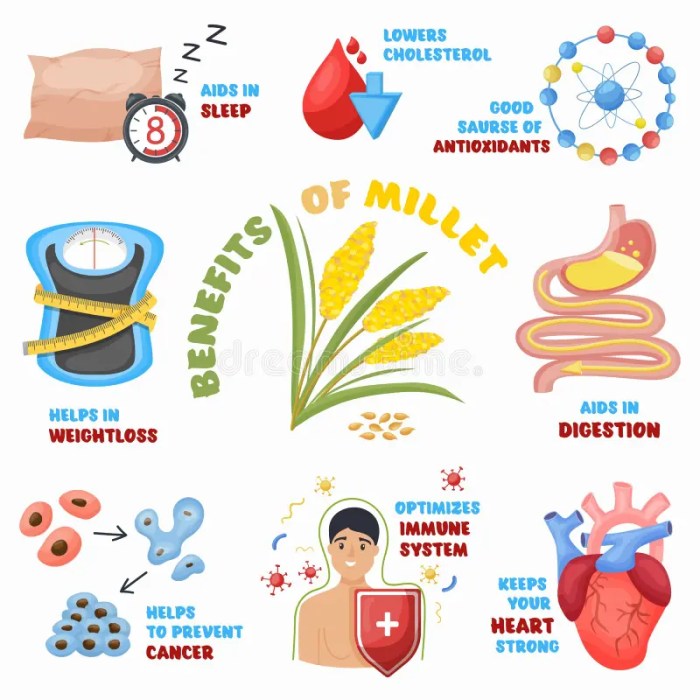
Raising awareness about various health issues plays a crucial role in promoting overall well-being and preventing diseases. By educating individuals about the importance of healthy lifestyle choices, early detection of illnesses, and available healthcare resources, we empower them to take control of their health.
Impact of Health Awareness Campaigns
Successful Health Awareness Initiatives
Preventive Medicine
Preventive medicine plays a crucial role in reducing the burden of disease by focusing on strategies to prevent illnesses before they occur. By promoting healthy behaviors and regular screenings, preventive medicine aims to identify risk factors early on and intervene to prevent the development of diseases.
Importance of Preventive Measures
Implementing preventive measures is essential for maintaining good health and well-being. Some examples include:
Cost-Effectiveness of Preventive Medicine
Preventive medicine is often more cost-effective compared to reactive healthcare, which focuses on treating diseases after they have already developed. By investing in preventive measures, individuals and healthcare systems can save money in the long run by avoiding costly treatments and hospitalizations. Additionally, preventive medicine can improve overall quality of life and productivity by keeping individuals healthy and active.
Nutritional Counseling
Nutritional counseling plays a crucial role in promoting healthy eating habits by providing individuals with personalized guidance on their dietary needs. By working with a nutritionist or dietitian, individuals can receive tailored recommendations to improve their overall nutrition and well-being.
Benefits of Working with a Nutritionist
Addressing Specific Health Concerns and Goals
Nutritional counseling can help individuals address specific health concerns such as diabetes, high cholesterol, digestive issues, food allergies, and more. By working closely with a nutritionist, individuals can develop a customized meal plan that supports their health goals and improves their overall well-being.
Healthy Mind
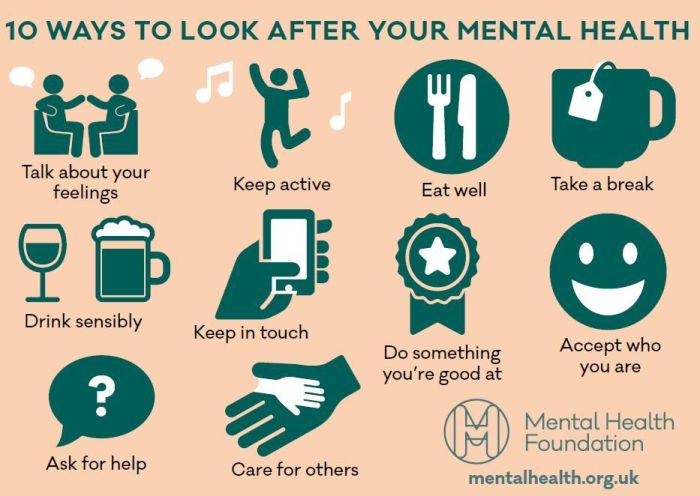
Having a healthy mind is crucial for overall well-being as it directly impacts our physical health outcomes. A positive mental attitude can help reduce stress, improve mood, and boost resilience in the face of challenges. Here are some tips for fostering a healthy mindset and maintaining good mental well-being:
Tips for Fostering a Healthy Mindset
Impact of Mental Well-being on Physical Health
Mental well-being is closely linked to physical health outcomes, as chronic stress and negative emotions can weaken the immune system, increase inflammation, and contribute to various health conditions such as cardiovascular disease, diabetes, and obesity.
On the other hand, a positive mental attitude can enhance overall health by promoting healthy behaviors, better coping mechanisms, and improved resilience to illness.
General Inquiries
Why is raising health awareness important?
Raising health awareness is crucial as it empowers individuals to make informed decisions about their well-being, leading to better health outcomes.
How can health awareness campaigns impact public health?
Health awareness campaigns can raise public knowledge about prevalent health issues, promoting preventive measures and improving overall health in communities.
What are the benefits of preventive medicine?
Preventive medicine focuses on maintaining good health through proactive measures, reducing the burden of disease and healthcare costs in the long run.


More Stories
Health awareness and digital health tools: Promoting Wellness in the Digital Age
Yoga practice for relaxation: A Guide to Inner Peace and Calm
Health coaching and accountability: Empowering Health and Wellness