Healthy Snacks
When it comes to snacks, choosing nutritious options can help boost your energy levels throughout the day. It is important to focus on snacks that are not only tasty but also provide essential nutrients to keep you feeling satisfied and energized.
Nutritious Snack Options
- Trail mix with nuts, seeds, and dried fruits
- Greek yogurt with berries and a drizzle of honey
- Vegetable sticks with hummus
- Apple slices with almond butter
- Hard-boiled eggs
Creative Ideas for On-the-Go Snacks
- Prepare snack packs with mixed nuts and seeds for easy grab-and-go options
- Make energy balls using oats, nut butter, and dried fruits
- Create your own trail mix with a variety of nuts, seeds, and dark chocolate chips
- Slice up some cucumber and cherry tomatoes for a refreshing snack
- Bake homemade kale chips for a crunchy and nutritious treat
Importance of Portion Control
Snacking can easily lead to overeating if portion sizes are not monitored. It is essential to practice portion control when consuming snacks to avoid excess calorie intake. Be mindful of serving sizes and listen to your body’s hunger cues to prevent mindless snacking.
Wellness Programs
Health awareness and digital health tools – Workplace wellness programs are designed to promote the overall health and well-being of employees by offering a variety of resources and activities. These programs typically include components such as:
Components of a Comprehensive Workplace Wellness Program
- Health screenings and assessments
- Physical fitness challenges and activities
- Nutrition education and healthy eating options
- Stress management techniques
- Smoking cessation programs
How Wellness Programs Improve Employee Productivity and Morale
- By promoting healthy habits, employees are less likely to take sick days, leading to increased productivity.
- Engagement in wellness activities can boost morale and create a positive work environment.
- Employees who feel supported in their wellness efforts are more likely to be satisfied with their job.
Role of Mental Health Support in Wellness Initiatives
Wellness initiatives that include mental health support can have a significant impact on employee well-being. Providing access to counseling services, stress management resources, and mental health awareness programs can help employees cope with work-related stress and improve their overall mental health.
Physical Therapy
Physical therapy plays a crucial role in post-injury rehabilitation and managing chronic pain conditions. Through specialized exercises and techniques, physical therapists help individuals regain strength, flexibility, and mobility, promoting overall wellness and quality of life.
Benefits of Physical Therapy for Post-Injury Rehabilitation
- Improved range of motion and flexibility
- Enhanced strength and endurance
- Faster recovery and reduced risk of re-injury
- Pain management without heavy reliance on medications
Common Techniques Used in Physical Therapy Sessions
- Manual therapy: Hands-on techniques to mobilize joints and soft tissues
- Therapeutic exercises: Tailored exercises to improve strength, flexibility, and balance
- Ultrasound therapy: Deep heating to promote tissue healing and pain relief
- Electrical stimulation: Stimulating muscles to reduce pain and improve function
How Physical Therapy Can Help Manage Chronic Pain Conditions
- Identify underlying causes of pain for targeted treatment
- Develop personalized exercise programs to improve function and reduce pain
- Educate patients on pain management strategies and home exercises
- Provide manual therapy techniques to alleviate pain and improve mobility
Health Coaching
Health coaching plays a crucial role in guiding individuals towards making positive lifestyle changes and achieving their wellness goals. Unlike personal trainers, health coaches focus on holistic well-being, including nutrition, stress management, and mental health.
Difference between a Health Coach and a Personal Trainer
While personal trainers mainly focus on physical fitness and exercise routines, health coaches take a more comprehensive approach by addressing various aspects of well-being. Health coaches work with clients to develop personalized plans that encompass nutrition, exercise, stress management, and overall lifestyle modifications.
Tips for Finding a Reliable Health Coach
- Research qualifications and certifications: Look for health coaches with relevant certifications from reputable organizations.
- Seek recommendations: Ask for referrals from friends, family, or healthcare professionals who have experience with health coaches.
- Assess communication style: Choose a health coach who communicates effectively and listens attentively to your concerns.
- Evaluate experience: Consider the experience of the health coach in dealing with clients with similar goals or health conditions.
Impact of Health Coaching on Lifestyle Changes
Health coaching can have a profound impact on lifestyle changes and behavior modification. By working closely with a health coach, individuals can gain valuable insights, accountability, and support to make sustainable changes in their habits. Health coaching empowers individuals to take charge of their health and well-being, leading to long-term improvements in overall quality of life.
Medical Advancements
Medical technology has been rapidly evolving in recent years, leading to groundbreaking advancements in patient care and treatment. The integration of digital health tools has played a significant role in revolutionizing how healthcare is delivered and managed.
Technological Innovations in Healthcare
- Telemedicine: The rise of telehealth services has allowed patients to consult with healthcare providers remotely, improving access to care and reducing the need for in-person visits.
- Artificial Intelligence: AI-powered tools are being used to analyze medical data, identify patterns, and assist in diagnosing diseases at an early stage.
- Robotics: Surgical robots are being utilized in minimally invasive procedures, leading to reduced recovery times and improved surgical outcomes.
Impact of Digital Health Tools
- Remote Monitoring: Wearable devices and mobile apps enable continuous monitoring of vital signs, allowing healthcare professionals to track patients’ health status in real-time.
- Data Analytics: Advanced analytics tools help in predicting disease outbreaks, optimizing treatment plans, and improving overall healthcare delivery.
- Personalized Medicine: Genetic testing and precision medicine have paved the way for personalized treatment plans based on an individual’s genetic makeup.
Future of Medical Technology
- 3D Printing: Customized implants and prosthetics can be created using 3D printing technology, offering tailored solutions for patients with specific healthcare needs.
- Nanotechnology: Nanomedicine holds the potential for targeted drug delivery, early disease detection, and precise treatment at the cellular level.
- Virtual Reality: VR technology is being explored for pain management, surgical training, and therapy sessions, enhancing the patient experience and improving outcomes.
Fitness Goals
Setting realistic fitness goals is crucial for long-term success on your health journey. It provides a clear roadmap to follow, helps to keep you motivated, and allows you to track your progress effectively.
Importance of Setting Realistic Fitness Goals
Setting realistic fitness goals is essential because it helps you stay focused and motivated. By setting achievable targets, you are more likely to stay committed to your fitness routine and see progress over time. Unrealistic goals can lead to frustration and burnout, ultimately hindering your overall fitness journey.
Strategies for Tracking Progress Towards Fitness Goals
- Use a fitness tracker or app to monitor your workouts, steps, and overall activity levels.
- Keep a workout journal to record your exercises, sets, and reps to track improvements and identify areas for growth.
- Take progress photos regularly to visually see changes in your body composition and muscle definition.
Role of Consistency in Achieving Fitness Milestones
Consistency is key when it comes to achieving fitness milestones. By sticking to a regular exercise routine and healthy eating habits, you are more likely to see long-term results. Consistency helps build habits, improves performance, and ensures that you are making steady progress towards your fitness goals.
Balanced Nutrition
In today’s fast-paced world, maintaining a balanced diet is essential for overall health and well-being. A well-rounded meal plan ensures that your body gets the necessary nutrients to function optimally and helps prevent various health issues.
Creating a Well-Balanced Meal Plan
When creating a meal plan, it’s crucial to include a variety of food groups such as fruits, vegetables, whole grains, lean proteins, and healthy fats. Aim to fill half your plate with fruits and vegetables, a quarter with lean proteins, and a quarter with whole grains. Incorporating a rainbow of colors in your meals ensures you’re getting a diverse range of nutrients.
Incorporating Various Food Groups
Each food group provides unique nutrients that are essential for different bodily functions. Fruits and vegetables are rich in vitamins, minerals, and antioxidants, while whole grains offer fiber for digestive health. Lean proteins like chicken, fish, beans, and nuts are important for muscle growth and repair. Healthy fats from sources like avocados, nuts, and olive oil support heart health and brain function.
Maintaining a Balanced Diet While Dining Out
When dining out, it can be challenging to stick to a balanced diet. Look for menu items that include a good balance of protein, carbohydrates, and fats. Opt for grilled or steamed dishes instead of fried foods, and choose salads or vegetable-based sides. Be mindful of portion sizes and consider sharing a meal or taking leftovers home to avoid overeating.
Mental Strength
Maintaining mental strength is crucial for overall well-being as it directly impacts how we handle stress, overcome challenges, and maintain a positive outlook on life. It plays a significant role in our ability to cope with everyday struggles and maintain a balanced emotional state.
Techniques for Improving Mental Strength
- Practice mindfulness and meditation to increase self-awareness and reduce stress levels.
- Engage in regular physical exercise to boost mood and reduce symptoms of anxiety and depression.
- Develop healthy coping mechanisms such as deep breathing, journaling, or talking to a therapist.
- Set realistic goals and prioritize self-care to avoid burnout and maintain a healthy work-life balance.
Impact of Positive Thinking on Mental Health
- Positive thinking can enhance mental resilience and improve overall well-being by shifting focus from negative to positive thoughts.
- It can help reduce stress, increase motivation, and improve problem-solving skills in challenging situations.
- Practicing gratitude and reframing negative thoughts can lead to a more optimistic outlook on life and boost mental health.
- Positive affirmations and visualization techniques can help rewire the brain for a more positive mindset and improved mental strength.
- Child’s Pose: This pose helps stretch the back, hips, and thighs while promoting relaxation.
- Downward-Facing Dog: Great for stretching the entire body, especially the back, shoulders, and hamstrings.
- Cat-Cow Pose: Helps improve spinal flexibility and releases tension in the back and neck.
- Seated Forward Bend: Stretches the hamstrings and lower back while calming the mind.
- Children who receive early education about healthy lifestyle choices are more likely to adopt healthy habits that can last a lifetime.
- Teaching children about the importance of balanced nutrition, regular exercise, and good hygiene can help prevent childhood obesity and related health issues.
- By instilling healthy habits at a young age, we can set the foundation for a healthier future generation.
- Government health websites, such as the Centers for Disease Control and Prevention (CDC) and the National Institutes of Health (NIH), offer a wealth of reliable information on various health topics.
- Local health departments and community organizations often provide free health education workshops and resources for the public.
- Healthcare providers, such as doctors and nurses, can also serve as valuable resources for health education materials and guidance.
- Eating a balanced diet rich in fruits, vegetables, lean proteins, and whole grains can support weight management.
- Regular physical activity, such as cardio and strength training exercises, can help burn calories and maintain muscle mass.
- Adequate sleep and stress management are important factors that can impact weight management.
- Consulting with a healthcare provider, nutritionist, or dietitian can provide personalized recommendations for achieving weight loss goals.
- Working with a fitness trainer or coach can help create a structured exercise plan tailored to individual needs and abilities.
- Joining a support group or weight loss program can offer accountability and motivation on the weight loss journey.
- For Children and Adolescents:
- Physical exams
- Immunizations
- Blood pressure measurements
- Developmental screenings
- Vision and hearing tests
- For Adults:
- Blood pressure checks
- Cholesterol tests
- Diabetes screenings
- Colorectal cancer screenings
- Breast cancer screenings
- Prostate cancer screenings
- For Seniors:
- Bone density tests
- Osteoporosis screenings
- Memory assessments
- Screenings for chronic conditions like diabetes and heart disease
- Find a healthcare provider you trust and feel comfortable with for your checkups.
- Keep a record of your symptoms, concerns, and any changes in your health to discuss during the appointment.
- Bring a list of current medications, including supplements, to review with your healthcare provider.
- Follow any fasting instructions if blood tests are scheduled.
- Ask questions and seek clarification on any aspects of your health that you are unsure about.
- Eczema: A common skin condition characterized by red, itchy patches. Treatment may include moisturizers, steroid creams, and antihistamines.
- Acne: A skin condition caused by clogged pores and bacteria. Treatments may involve topical creams, oral medications, or procedures like chemical peels.
- Psoriasis: A chronic autoimmune condition that speeds up the growth of skin cells, leading to red, scaly patches. Treatments may include topical treatments, light therapy, or oral medications.
- Hydration: Drinking plenty of water helps keep the skin hydrated and healthy.
- Healthy Diet: Consuming foods rich in antioxidants, vitamins, and minerals can promote skin health.
- Aloe Vera: Known for its soothing properties, aloe vera can help with skin irritation and inflammation.
- Practice mindfulness and meditation to stay present and aware of your emotions.
- Engage in regular physical activity to release endorphins and reduce stress.
- Seek support from friends, family, or a therapist to talk about your feelings and experiences.
- Develop healthy coping mechanisms such as journaling, deep breathing exercises, or hobbies that bring you joy.
- Set boundaries in your relationships and prioritize self-care to avoid emotional burnout.
- Set specific, measurable, achievable, relevant, and time-bound (SMART) goals to give you a clear direction and purpose.
- Reward yourself for reaching milestones along the way to celebrate your progress and keep yourself motivated.
- Find a workout buddy or join a fitness group to stay accountable and motivated through social support.
- Visualize your success and imagine how achieving your health goals will improve your overall well-being.
- Track your progress using apps or journals to see how far you’ve come and stay motivated to continue pushing forward.
- Setting goals helps you establish a roadmap for your health journey and provides you with clear objectives to work towards.
- Goals give you a sense of accomplishment when achieved, boosting your confidence and motivation to continue making healthy choices.
- By breaking down larger goals into smaller, achievable steps, you can maintain momentum and stay motivated throughout the process.
- Identify what is causing your lack of motivation and address any underlying issues that may be hindering your progress.
- Create a supportive environment that encourages healthy habits and removes any obstacles that may be getting in the way of your goals.
- Seek inspiration from success stories or role models who have overcome similar challenges and use their experiences to fuel your motivation.
- Practice self-care and prioritize your mental well-being to maintain a positive mindset and stay motivated during setbacks.
- Stay flexible and adjust your goals as needed to accommodate changes in your circumstances or preferences without losing sight of your overall objectives.
- Cardiovascular exercises: Running, cycling, swimming
- Strength training: Weightlifting, bodyweight exercises
- Flexibility and balance: Yoga, Pilates, Tai Chi
- High-intensity interval training (HIIT): Circuit training, Tabata
- Health awareness campaigns increase knowledge about specific health conditions, symptoms, and risk factors.
- They encourage individuals to adopt healthy behaviors and seek timely medical assistance.
- By promoting awareness, these campaigns aim to reduce stigma surrounding certain health issues.
- They empower individuals to take control of their health and make informed decisions.
- Health awareness campaigns lead to early diagnosis and treatment of diseases, improving overall health outcomes.
- They help in preventing the spread of communicable diseases by promoting hygiene practices and vaccination awareness.
- Increased awareness can lead to a decrease in preventable health conditions and hospitalizations.
- Public health campaigns contribute to reducing healthcare costs and improving the quality of life in communities.
- Organize health education workshops and seminars in local communities.
- Utilize social media platforms to share information about health issues and preventive measures.
- Collaborate with healthcare professionals and organizations to conduct outreach programs.
- Support advocacy efforts for policies that promote public health and access to healthcare services.
- Immunizations are a cost-effective way to prevent infectious diseases.
- Screenings can detect conditions like cancer in their early stages when treatment is most effective.
- Regular check-ups and screenings can help identify risk factors and address them before they develop into serious health problems.
- Stay up to date on vaccinations recommended for your age group and health status.
- Follow a healthy diet rich in fruits, vegetables, whole grains, and lean proteins.
- Engage in regular physical activity to maintain a healthy weight and reduce the risk of chronic conditions.
- Get regular health check-ups and screenings as recommended by your healthcare provider.
- Practice stress management techniques such as meditation, yoga, or mindfulness to support emotional well-being.
- A nutritionist typically provides general advice on food and nutrition based on knowledge and experience in the field.
- A registered dietitian is a certified professional with a degree in dietetics, completing an internship and passing a national exam. They can provide more specialized, evidence-based recommendations tailored to individual needs.
- Registered dietitians are held to strict standards and are regulated by professional bodies, ensuring a higher level of expertise and accountability.
- Look for professionals with recognized credentials such as RD (Registered Dietitian) or RDN (Registered Dietitian Nutritionist).
- Consider their experience and specialization in areas relevant to your needs, such as weight management, sports nutrition, or medical conditions.
- Check for testimonials or reviews from previous clients to gauge their effectiveness and approach.
- Consult with your healthcare provider for recommendations or referrals to reputable nutritional counselors in your area.
- Avoid practitioners offering quick fixes or extreme diets, and prioritize those who focus on sustainable, science-based approaches.
- Practice relaxation techniques such as deep breathing, meditation, and mindfulness to reduce stress and promote mental clarity.
- Engage in regular physical exercise to boost mood, reduce anxiety, and improve overall mental health.
- Ensure an adequate amount of quality sleep to support cognitive function and emotional well-being.
- Cultivate positive relationships and social connections to foster a sense of belonging and emotional support.
Yoga Practice
Regular yoga practice offers a multitude of physical and mental benefits. It helps improve flexibility, strength, and balance while also reducing stress, anxiety, and enhancing overall well-being.
Beginner-Friendly Yoga Poses for Relaxation and Flexibility
Importance of Mindfulness in Yoga Practice
Practicing mindfulness in yoga involves being fully present in the moment, focusing on the breath, body sensations, and thoughts without judgment. This helps cultivate self-awareness, reduce stress, and enhance the mind-body connection.
Health Education
Health education plays a crucial role in promoting disease prevention by empowering individuals with the knowledge and skills needed to make informed decisions about their health. By providing education on topics such as healthy eating, physical activity, stress management, and preventive care, individuals can take proactive steps to reduce their risk of developing various health conditions.
The Importance of Educating Children About Healthy Lifestyle Choices, Health awareness and digital health tools
Resources for Accessing Reliable Health Education Materials
Weight Management
Maintaining a healthy weight is crucial for overall well-being. Here are some tips for healthy weight loss strategies and sustainable weight management.
Impact of Lifestyle Factors
Seeking Professional Guidance
Health Checkups
Regular health checkups play a crucial role in preventive healthcare by detecting potential health issues early on and helping individuals maintain overall well-being.
Common Screening Tests
Tips for Scheduling and Preparing
Skin Health
Maintaining healthy skin is crucial for overall well-being and confidence. A good skincare routine can help prevent skin issues and promote a radiant complexion.
Common Skin Conditions and Treatments
Natural Remedies for Skin Health
Emotional Health
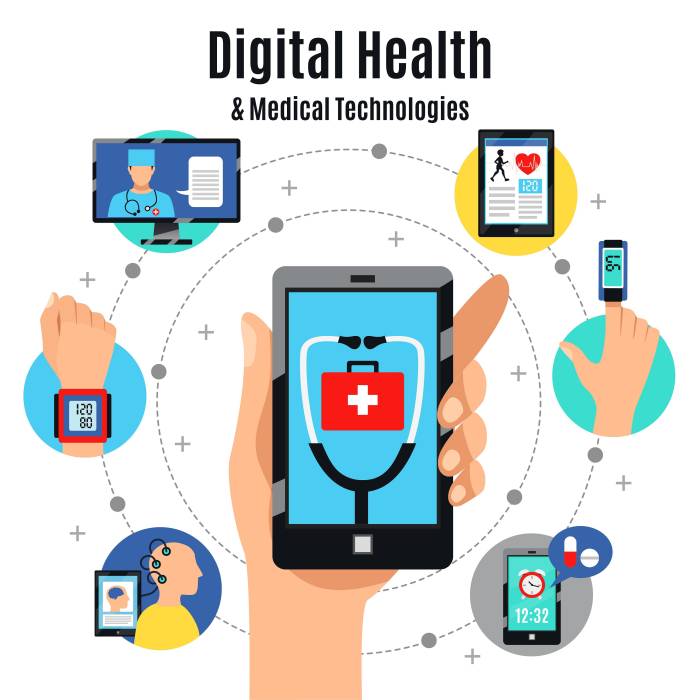
Emotional health plays a vital role in our overall well-being. It is closely connected to our physical health, mental strength, and ability to cope with stress. When we neglect our emotional health, it can have negative impacts on our immune system, heart health, and even increase the risk of certain diseases.
Managing Emotions and Building Resilience
Emotional resilience is the ability to adapt to and cope with stressful situations or adversity. Here are some strategies to help manage emotions and build emotional resilience:
Impact of Social Support on Emotional Health
Social support plays a crucial role in maintaining emotional well-being. Having a strong support system can provide comfort, encouragement, and a sense of belonging. Research has shown that individuals with strong social connections are better equipped to handle stress, anxiety, and depression. Surround yourself with positive and understanding people who lift you up during challenging times.
Health Motivation: Health Awareness And Digital Health Tools
Maintaining motivation on a health and wellness journey can be challenging, but there are strategies that can help you stay on track. Goal setting plays a crucial role in keeping you motivated and focused on your health objectives. Overcoming motivational barriers is also essential to ensure long-term success in achieving a healthy lifestyle.
Tips for Staying Motivated
Role of Goal Setting
Overcoming Motivational Barriers
Physical Activities
Regular physical activity is essential for maintaining overall health and well-being. It not only helps to improve cardiovascular health, strengthen muscles, and maintain a healthy weight but also has numerous other benefits for both the body and mind.
Incorporating different types of physical activities into your routine can cater to varying fitness levels and preferences. From low-impact options like walking or swimming to more intense activities such as running or weightlifting, there are plenty of choices available to suit individual needs.
Types of Physical Activities
Importance of Daily Movement
Regularly incorporating movement into your daily routine is crucial for overall health. Whether it’s taking the stairs instead of the elevator, going for a walk during your lunch break, or doing a quick workout at home, every bit of physical activity counts towards improving your well-being. Remember, small changes can lead to significant health benefits in the long run.
Health Awareness
Raising awareness about common health issues is crucial for educating individuals about preventive measures, early detection, and treatment options. It helps in promoting a healthier lifestyle and reducing the burden of diseases on society.
Significance of Health Awareness Campaigns
Impact on Public Health Outcomes
Ways to Promote Health Awareness
Preventive Medicine
Preventive medicine plays a crucial role in reducing healthcare costs and improving overall well-being. By focusing on preventing diseases and promoting healthy habits, individuals can avoid costly medical treatments and enjoy a higher quality of life.
The Importance of Vaccinations and Screenings
Regular vaccinations and screenings are essential components of preventive healthcare. Vaccinations help protect against serious illnesses such as flu, measles, and HPV, reducing the risk of infection and transmission. Screenings, such as mammograms and colonoscopies, can detect potential health issues early on, allowing for timely intervention and treatment.
Tips for Incorporating Preventive Measures
Integrating preventive measures into daily routines is key to maintaining good health and well-being. Simple lifestyle changes and proactive healthcare decisions can go a long way in preventing illnesses and promoting longevity.
Nutritional Counseling
Nutritional counseling involves seeking guidance from a qualified professional to improve dietary habits and overall health. It can benefit individuals looking to manage weight, address specific health concerns, or optimize their nutrition for better performance.
Difference between Nutritionist and Registered Dietitian
Tips for Finding a Qualified Nutritional Counselor
Healthy Mind
Maintaining a healthy mind is essential for overall well-being, as it is closely interconnected with physical health. A strong mind can help manage stress, improve cognitive function, and enhance emotional resilience.
Techniques for Promoting Mental Wellness
Impact of Mindfulness Practices on a Healthy Mind
Mindfulness practices, such as meditation and yoga, have been shown to reduce symptoms of anxiety, depression, and improve overall mental well-being. These practices help individuals focus on the present moment, increase self-awareness, and promote emotional regulation.
Quick FAQs
How can digital health tools improve patient care?
Digital health tools enable remote monitoring, personalized treatment plans, and easier access to healthcare resources.
What is the role of health coaching in lifestyle changes?
Health coaching provides personalized guidance, supports behavior modification, and helps individuals achieve sustainable lifestyle changes.
Why is mental strength important for overall well-being?
Mental strength enhances resilience, coping mechanisms, and plays a significant role in managing stress and emotions.
How does yoga practice benefit physical and mental health?
Regular yoga practice promotes relaxation, flexibility, mindfulness, and contributes to overall well-being.
Why is preventive medicine crucial for reducing healthcare costs?
Preventive medicine focuses on early detection and intervention, ultimately reducing the need for expensive treatments and hospitalizations.


More Stories
Benefits of raising health awareness: Why It Matters for Overall Well-being
Yoga practice for relaxation: A Guide to Inner Peace and Calm
Health coaching and accountability: Empowering Health and Wellness