Overview of Medical Advancements in Robotics in Healthcare
Robots have played a crucial role in revolutionizing the healthcare industry by enhancing precision, efficiency, and safety in various medical procedures. These robotic technologies have significantly impacted patient outcomes and improved the overall quality of healthcare services.
Robotic Technologies in Medical Procedures
- Robotic Surgery: Robotic-assisted surgeries, such as the da Vinci Surgical System, allow surgeons to perform complex procedures with enhanced dexterity and precision, leading to smaller incisions, reduced blood loss, and faster recovery times.
- Robotics in Rehabilitation: Robotic devices like exoskeletons are used in physical therapy to assist patients in regaining mobility and strength after injuries or surgeries.
- Robotic Pharmacy Automation: Automated robotic systems are utilized in pharmacies to accurately dispense medications, reducing human errors and improving medication management processes.
Benefits of Incorporating Robotics in Healthcare Settings
- Improved Precision: Robots can perform tasks with extreme precision, minimizing the risk of human error during surgical procedures or medication dispensing.
- Enhanced Efficiency: Robotic technologies help streamline healthcare processes, leading to faster diagnosis, treatment, and recovery times for patients.
- Reduced Infection Rates: By minimizing human contact during procedures, robots can help decrease the spread of infections in healthcare settings, ultimately improving patient safety.
Applications of Robotics in Physical Therapy
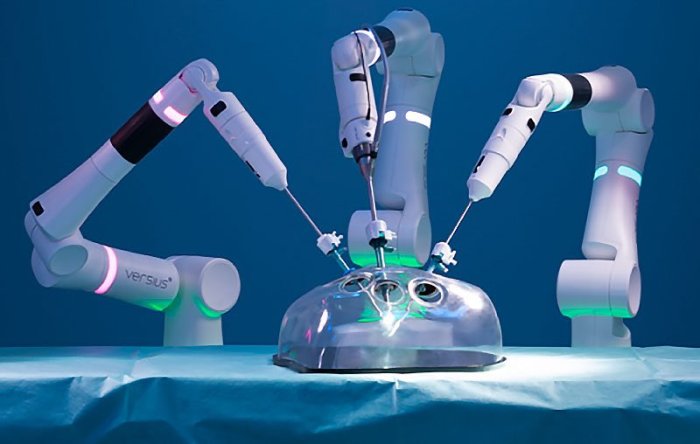
Robots are playing a significant role in transforming the field of physical therapy by assisting in various rehabilitation tasks. These robotic devices are designed to support patients in regaining strength, mobility, and function after injuries or surgeries.
Robotic Assistance in Exercise Therapy
Robotic devices are used to guide patients through specific exercises to improve muscle strength, coordination, and range of motion. These devices can provide precise movements and resistance levels tailored to individual needs, enhancing the effectiveness of therapy sessions.
Advantages of Robotic Devices for Rehabilitation
- Customized Treatment: Robotic devices can be programmed to adapt to each patient’s progress and adjust therapy accordingly.
- Precise Movements: Robots ensure consistent and accurate movements during exercises, reducing the risk of injury.
- Data Monitoring: Therapists can track patients’ progress more effectively through data collected by robotic devices, allowing for personalized treatment plans.
- Motivation: Interactive features in robotic devices can keep patients engaged and motivated during therapy sessions.
Comparison with Traditional Physical Therapy Methods
Robotic-assisted therapy offers several advantages over traditional methods, such as:
- Consistency: Robots provide consistent and precise movements, eliminating variability in manual therapy.
- Efficiency: Robotic devices can target specific muscle groups more effectively, leading to quicker recovery times.
- Patient Engagement: The interactive nature of robotic devices can increase patient engagement and adherence to therapy programs.
Robotics in Health Coaching and Wellness Programs: Medical Advancements In Robotics In Healthcare
Robots are increasingly being integrated into health coaching and wellness programs to enhance the overall experience for individuals seeking to improve their health and well-being. These advanced technologies are revolutionizing the way we approach health and wellness, offering personalized support and motivation to help individuals achieve their goals.
Enhancing Health Coaching Programs
Robots are used in health coaching programs to provide personalized guidance, support, and motivation to individuals. These robots can track progress, remind individuals of important tasks, and offer advice based on the individual’s specific needs and goals. By incorporating robotics into health coaching, individuals can receive real-time feedback and support, leading to more effective and sustainable behavior change.
Impact on Promoting Wellness and Healthy Lifestyles, Medical advancements in robotics in healthcare
Robots play a crucial role in promoting wellness and healthy lifestyles by offering continuous support and motivation to individuals. They can encourage healthy habits, such as regular exercise, proper nutrition, and stress management, while also providing education on various health topics. By fostering a proactive approach to health and well-being, robots help individuals make positive lifestyle choices and maintain long-term wellness.
Examples of Robots Supporting Wellness Initiatives
– Companion robots that provide emotional support and companionship to individuals, especially the elderly or those with chronic conditions.
– Fitness robots that guide individuals through workouts, track their progress, and offer personalized fitness plans.
– Nutrition robots that offer meal planning assistance, recipe suggestions, and nutrition tips to promote healthy eating habits.
– Mental health support robots that provide mindfulness exercises, stress management techniques, and emotional support to improve overall well-being.
Overall, robotics in health coaching and wellness programs are transforming the way individuals approach their health and well-being, offering innovative solutions to support and empower individuals on their journey to a healthier lifestyle.
Robotic Innovations in Preventive Medicine
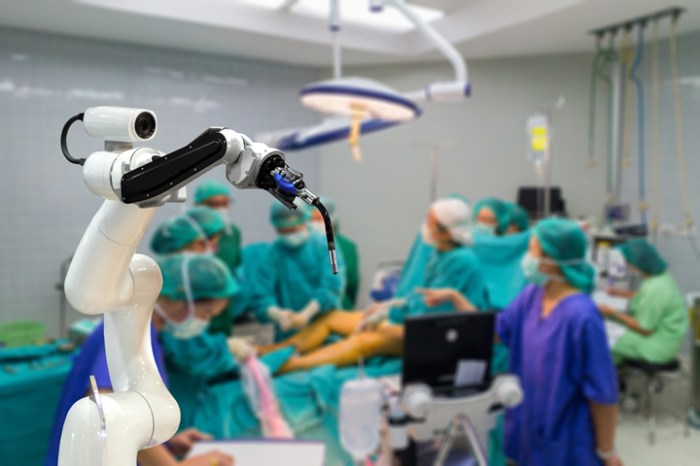
Robotics technology has revolutionized healthcare by playing a crucial role in preventive medicine. By utilizing robotic tools, healthcare professionals can now detect diseases at their early stages, leading to more effective treatments and improved patient outcomes.
Specific Robotic Tools for Early Disease Detection
- Robotic endoscopes: These advanced tools allow for precision imaging of the internal organs, aiding in the early detection of conditions such as cancer.
- Robotic screening devices: These devices can perform routine health screenings with high accuracy, helping to identify risk factors for diseases like diabetes and heart disease.
- Robotic surgical systems: While primarily used for treatment, these systems can also assist in the early diagnosis of certain conditions during minimally invasive procedures.
Future Potential of Robotics in Preventive Medicine
Robotic innovations in preventive medicine hold great promise for the future. With advancements in artificial intelligence and machine learning, robots can analyze vast amounts of patient data to identify patterns and trends that may indicate early signs of disease. Additionally, the development of wearable robotic devices may allow for continuous health monitoring, enabling individuals to take proactive measures to maintain their well-being.
Role of Robotics in Mental Health and Emotional Well-being
Robots are increasingly being utilized in mental health support services to provide a range of interventions and therapies to individuals in need. These robotic systems are designed to assist in managing and improving emotional health and overall well-being by offering personalized and consistent support.
Robotic Interventions in Mental Health
- Robotic companions: Robots are developed to function as companions for individuals struggling with loneliness or social isolation. These robots offer companionship, engage in conversation, and provide emotional support to enhance mental well-being.
- Therapeutic robots: Some robots are programmed to deliver therapeutic interventions such as cognitive behavioral therapy (CBT) exercises, mindfulness practices, and relaxation techniques. These interventions help individuals manage stress, anxiety, and other mental health issues.
- Emotion recognition robots: Advanced robots equipped with sensors can recognize and respond to human emotions. These robots can detect changes in emotional states and provide appropriate support and interventions to regulate emotions and promote emotional well-being.
Robotic Technologies for Health Education and Awareness
Robotic technologies are increasingly being integrated into health education programs to enhance learning experiences and raise awareness about various health issues. These interactive tools not only make the educational process more engaging but also help in disseminating important health information effectively.
Interactive Robotic Tools for Health Education
- Robotic Simulators: Simulators are used to recreate medical scenarios for students to practice in a controlled environment, allowing them to learn and make mistakes without any risk to real patients.
- Virtual Reality (VR) Health Education: VR technology combined with robotics offers immersive experiences where individuals can explore the human body, diseases, and medical procedures in a virtual environment.
- Robot-Assisted Health Workshops: Robots are used to conduct workshops on various health topics, interact with participants, answer questions, and provide demonstrations to make learning more interactive and engaging.
Question & Answer Hub
Medical advancements in robotics in healthcare – How are robots revolutionizing healthcare?
Robots are transforming healthcare by assisting in surgeries, providing physical therapy, supporting mental health services, and even educating patients about health issues.
What are some examples of robotic technologies used in medical procedures?
Robotic technologies such as the Da Vinci Surgical System and robotic exoskeletons are commonly used in surgeries and physical therapy sessions.
How do robots contribute to preventive medicine?
Robots are instrumental in early disease detection through tools like robotic imaging systems and remote monitoring devices, enhancing preventive healthcare measures.


More Stories