Introduction to Health Coaching for Better Nutrition
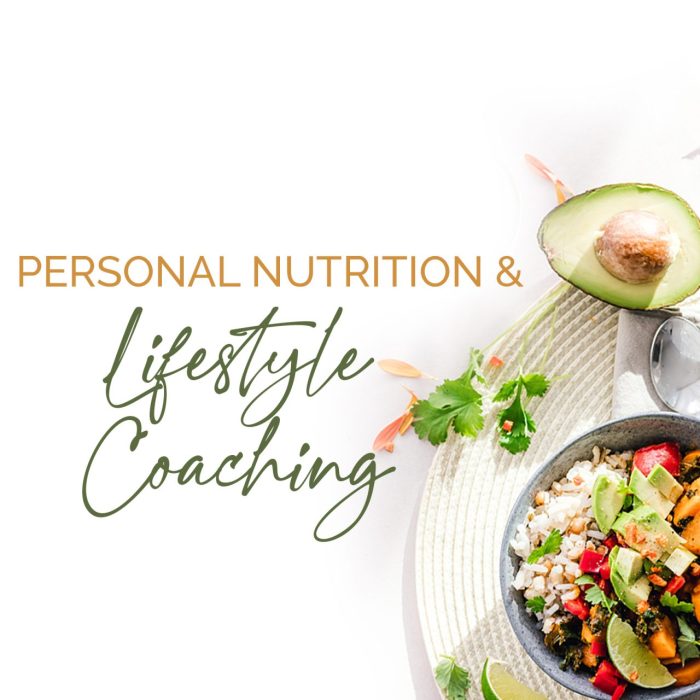
Health coaching for better nutrition – Health coaching plays a vital role in helping individuals improve their nutrition by providing guidance and support to make healthier food choices. A health coach works with clients to create personalized nutrition plans, set achievable goals, and develop strategies to overcome obstacles that may hinder progress.
Role of a Health Coach
A health coach acts as a mentor and motivator, offering education and encouragement to clients on the importance of balanced nutrition. They help individuals identify unhealthy eating patterns, explore new food options, and cultivate mindful eating habits.
Benefits of Health Coaching
- Personalized Guidance: Health coaches tailor nutrition plans to meet the specific needs and preferences of each client.
- Accountability: Regular check-ins and support from a health coach can help individuals stay on track with their nutritional goals.
- Behavior Change: Health coaching focuses on sustainable lifestyle changes, leading to long-term improvements in eating habits.
- Improved Health Outcomes: By adopting healthier eating practices, individuals can reduce the risk of chronic diseases and enhance overall well-being.
Importance of Balanced Nutrition
When we talk about balanced nutrition, we refer to a diet that provides the necessary nutrients in the right amounts to maintain overall health and well-being. It is crucial for supporting bodily functions, preventing diseases, and promoting optimal physical and mental performance.
Key Nutrients for a Balanced Diet
A balanced diet should include a variety of key nutrients essential for the body to function properly. Some examples of these nutrients are:
- Proteins: important for building and repairing tissues.
- Carbohydrates: the main source of energy for the body.
- Fats: necessary for cell structure and hormone production.
- Vitamins: crucial for various bodily processes and immune function.
- Minerals: such as calcium, iron, and potassium, important for bone health, oxygen transport, and fluid balance.
- Fiber: aids in digestion and helps maintain a healthy weight.
Impact of Balanced Nutrition on Physical and Mental Well-being
Having a balanced diet directly influences our physical and mental well-being. Here are some ways in which balanced nutrition can impact our health:
- Physical Health: A balanced diet can help prevent chronic diseases like heart disease, diabetes, and obesity. It also supports a strong immune system and overall vitality.
- Mental Health: Proper nutrition is linked to improved cognitive function, mood regulation, and reduced risk of mental disorders like depression and anxiety.
- Energy Levels: Eating a balanced diet ensures a steady supply of energy throughout the day, enhancing productivity and focus.
- Weight Management: Balanced nutrition plays a key role in weight management by providing the right nutrients without excess calories.
Role of Wellness Programs in Nutrition
Wellness programs play a crucial role in supporting individuals in achieving better nutrition by providing education, guidance, and resources to promote healthy eating habits. These programs are designed to address the specific needs of individuals and help them make informed choices about their diet and overall wellness.
Types of Wellness Programs Focused on Nutrition
- Workplace Wellness Programs: These programs are often offered by employers to promote healthy eating habits among employees. They may include nutrition workshops, cooking classes, and access to healthy snacks in the workplace.
- Community-based Wellness Programs: These programs are designed to reach a broader audience and may include nutrition education sessions, cooking demonstrations, and support groups focused on healthy eating.
- Online Wellness Programs: With the rise of digital technology, online wellness programs offer virtual support, meal planning tools, and resources to help individuals improve their nutrition from the comfort of their own homes.
Effectiveness of Wellness Programs in Promoting Healthy Eating Habits
Wellness programs have been shown to be effective in promoting healthy eating habits by providing individuals with the knowledge and skills they need to make better food choices. Studies have demonstrated that participants in wellness programs focused on nutrition are more likely to consume a balanced diet, increase their intake of fruits and vegetables, and reduce their consumption of unhealthy foods high in sugar, salt, and saturated fats. By offering support, motivation, and practical strategies, wellness programs empower individuals to take control of their health and make positive changes to their diet for long-term well-being.
Health Coaching Strategies for Improving Nutrition
Health coaches use various practical tips and strategies to help individuals make better nutritional choices. By personalizing nutrition plans and setting achievable goals, they can effectively guide clients towards a healthier lifestyle.
Personalized Nutrition Plans
Health coaches tailor nutrition plans to meet the specific needs and preferences of each individual. By taking into account factors such as dietary restrictions, lifestyle habits, and health goals, they create customized plans that are sustainable and effective.
Achievable Goals
Setting achievable goals is crucial in health coaching for better nutrition. Health coaches work with clients to establish realistic and measurable objectives, making it easier to track progress and stay motivated. By breaking down larger goals into smaller, manageable steps, individuals are more likely to make lasting changes to their eating habits.
Impact of Medical Advancements on Nutrition
Medical advancements have played a crucial role in shaping nutritional recommendations and practices. With the continuous evolution of medical technology, there have been significant improvements in how we understand and approach nutrition. These advancements have led to more personalized and evidence-based strategies for promoting better health through balanced nutrition.
Role of Technology in Improving Nutritional Tracking and Monitoring
Technology has revolutionized the way we track and monitor our nutritional intake. From mobile apps to wearable devices, there are now various tools available to help individuals keep track of their food choices and make informed decisions. These technological advancements not only make it easier for people to monitor their nutrition but also provide valuable insights for health professionals to tailor recommendations according to individual needs.
- Mobile apps like MyFitnessPal and Lose It! allow users to log their meals and track their macronutrient intake.
- Wearable devices such as Fitbit and Apple Watch can track physical activity and calories burned, providing a more holistic view of overall health.
- Smart kitchen appliances like smart scales and nutrition calculators help in accurately measuring portion sizes and nutritional content of meals.
Examples of Medical Advancements that Have Revolutionized Nutrition-Related Practices
Medical advancements have paved the way for innovative approaches to nutrition that were not possible before. Some notable examples include:
- Genetic testing: DNA testing can provide insights into how individuals metabolize certain nutrients, allowing for personalized dietary recommendations.
- Nutrigenomics: This field of study explores how genetics influence an individual’s response to nutrients and how diet can be tailored to optimize health based on genetic makeup.
- Nanotechnology: Nanoparticles are being used to enhance the bioavailability of nutrients, making it easier for the body to absorb essential vitamins and minerals.
Mental Strength and its Connection to Nutrition
Maintaining mental strength is crucial when it comes to making healthy food choices. Our mental state affects our decision-making process, including what we choose to eat. When we are mentally resilient, we are better equipped to resist unhealthy cravings and opt for nutritious options instead.
Impact of Mental Resilience on Dietary Habits
Improving mental resilience can have a positive impact on our dietary habits. When we are mentally strong, we are more likely to make conscious and mindful decisions about the food we consume. This can lead to a more balanced and nutritious diet overall.
- Practicing mindfulness: Being present in the moment can help us make better food choices and avoid emotional eating.
- Stress management techniques: Learning how to cope with stress effectively can prevent us from turning to unhealthy comfort foods.
- Setting realistic goals: Establishing achievable goals related to nutrition can boost confidence and motivation to stick to a healthy eating plan.
By enhancing our mental strength, we can create a solid foundation for maintaining a healthy and balanced diet.
Incorporating Yoga Practice for Better Nutrition
Practicing yoga can be a fantastic way to complement a healthy diet. Not only does it help improve flexibility, strength, and overall well-being, but it also promotes mindfulness and self-awareness, which are essential components of healthy eating habits.
Benefits of Yoga in Promoting Mindful Eating Habits
Yoga encourages individuals to be present in the moment and listen to their bodies. This mindfulness can translate into more conscious eating choices, such as recognizing hunger and fullness cues, savoring the flavors and textures of food, and making healthier food choices overall. By practicing yoga, individuals can develop a deeper connection to their bodies and a greater sense of awareness around their eating habits.
Specific Yoga Poses or Practices for Improved Nutrition
- Tree Pose (Vrikshasana): This balancing pose can help improve focus and concentration, which can translate to more mindful eating habits.
- Seated Spinal Twist (Ardha Matsyendrasana): This pose can aid in digestion and help alleviate digestive issues, promoting better nutrient absorption.
- Corpse Pose (Savasana): This relaxation pose can reduce stress and promote relaxation, which can prevent emotional eating and support better food choices.
Importance of Health Education in Nutrition
Health education plays a crucial role in fostering better nutritional awareness among individuals. By providing information and resources, health education empowers people to make informed decisions about their dietary choices and overall well-being.
Impact of Education on Food Choices and Dietary Habits
Health education has a direct impact on food choices and dietary habits. When individuals are educated about the importance of balanced nutrition, they are more likely to opt for healthier food options and adopt sustainable eating habits. Education helps individuals understand the nutritional value of different foods, leading to better choices that support overall health and well-being.
Examples of Effective Health Education Programs Focused on Nutrition
1. School-Based Nutrition Education Programs: Many schools have implemented nutrition education programs to teach students about the importance of healthy eating. These programs often include workshops, cooking classes, and educational materials to promote nutritious food choices among students.
2. Community Health Initiatives: Community-based health education initiatives focus on raising awareness about nutrition and promoting healthy eating habits within local communities. These programs often involve partnerships with local organizations, healthcare providers, and community leaders to deliver educational resources to individuals and families.
3. Workplace Wellness Programs: Many companies offer wellness programs that include nutrition education as part of their initiatives to support employee health and well-being. These programs may include seminars, workshops, and resources to educate employees about the benefits of good nutrition and encourage healthy eating habits in the workplace.
Weight Management Strategies in Health Coaching
Weight management is an essential component of achieving overall health and wellness goals. It is closely intertwined with nutritional goals, as the food we consume directly impacts our weight. Health coaches play a crucial role in guiding individuals towards healthy weight management through personalized nutrition plans and strategies.
Relationship between Weight Management and Nutritional Goals
Weight management and nutritional goals are interconnected, as the type and quantity of food we eat directly influence our weight. By focusing on consuming a balanced diet rich in nutrients and controlling portion sizes, individuals can effectively manage their weight while meeting their nutritional needs.
Tips for Incorporating Weight Management Strategies into a Nutrition Plan, Health coaching for better nutrition
- Emphasize whole foods: Encourage the consumption of whole, nutrient-dense foods such as fruits, vegetables, lean proteins, and whole grains.
- Monitor portion sizes: Educate individuals on portion control and mindful eating to prevent overeating and promote weight management.
- Stay hydrated: Drinking an adequate amount of water can help regulate appetite and support weight management efforts.
- Encourage regular physical activity: Incorporating exercise into a daily routine can complement nutrition efforts and aid in weight management.
How Health Coaches Assist Individuals in Achieving Healthy Weight through Nutrition
Health coaches work closely with individuals to create personalized nutrition plans tailored to their specific goals and needs. By providing ongoing support, accountability, and education, health coaches empower individuals to make sustainable lifestyle changes that promote healthy weight management. They guide clients in making informed food choices, developing healthy eating habits, and overcoming challenges to achieve long-term success in maintaining a healthy weight.
Skin Health and Nutrition
The connection between skin health and dietary choices is crucial for overall well-being. Proper nutrition plays a significant role in supporting healthy skin and enhancing its appearance. Here are some key nutrients that can contribute to skin health:
Essential Nutrients for Healthy Skin:
- Vitamin C: Helps in collagen production and protects the skin from damage caused by free radicals.
- Vitamin E: Acts as an antioxidant, protecting the skin from UV damage and promoting skin repair.
- Omega-3 Fatty Acids: Reduce inflammation and keep the skin hydrated and supple.
- Zinc: Supports skin cell renewal and repair processes.
Tips for Maintaining Healthy Skin through Nutrition:
- Stay hydrated by drinking an adequate amount of water daily.
- Incorporate a variety of fruits and vegetables rich in vitamins and antioxidants into your diet.
- Limit consumption of processed foods and sugar, which can contribute to skin issues like acne.
- Include sources of healthy fats like nuts, seeds, and avocados for skin nourishment.
Emotional Health and its Impact on Nutrition
Emotional health plays a significant role in influencing our food choices and overall nutritional habits. It is essential to understand how our emotions can impact what we eat and how it can affect our overall health.
Importance of Emotional Health in Maintaining a Balanced Diet
Emotional health is crucial for maintaining a balanced diet as it directly influences our eating patterns. Stress, anxiety, depression, and other emotional factors can lead to unhealthy eating habits such as emotional eating, binge eating, or comfort eating. These behaviors can disrupt the balance of nutrients our body needs, leading to deficiencies or overconsumption of certain food groups.
- Emotional eating: Many individuals turn to food as a way to cope with negative emotions or stress. This can result in consuming unhealthy, high-calorie foods that provide temporary comfort but do not support overall health.
- Binge eating: Emotional distress can trigger episodes of binge eating, where individuals consume large quantities of food in a short period, often feeling out of control. This can lead to weight gain and other health issues if not addressed.
- Comfort eating: Seeking solace in food during difficult times is a common coping mechanism. However, relying on food for emotional comfort can lead to an unhealthy relationship with food and impact overall well-being.
Strategies for Addressing Emotional Factors Affecting Nutritional Habits
It is essential to develop strategies to address emotional factors that affect our nutritional habits to maintain a healthy balance in our diet.
- Practice mindful eating: Being present and aware of your emotions while eating can help you differentiate between physical hunger and emotional hunger. Mindful eating can help you make conscious food choices based on your body’s needs rather than emotional triggers.
- Seek support: Talking to a therapist, counselor, or health coach can help you address underlying emotional issues that may be impacting your eating habits. Building a support system can provide guidance and encouragement in developing healthier coping mechanisms.
- Engage in stress-reducing activities: Finding healthy ways to manage stress, such as exercise, meditation, yoga, or hobbies, can help regulate emotions and reduce the urge to turn to food for comfort. Incorporating stress-reducing activities into your routine can support emotional well-being and overall health.
Motivational Techniques for Improving Health
Motivation plays a crucial role in helping individuals sustain healthy eating habits and achieve their nutritional goals. Health coaching utilizes various motivational strategies to inspire clients to make positive changes in their diet and lifestyle. By understanding the importance of motivation in improving health, individuals can stay committed to their journey towards better nutrition.
Role of Motivation in Sustaining Healthy Eating Habits
One of the key aspects of health coaching is to instill motivation in clients so that they can continue to maintain healthy eating habits in the long run. Motivation acts as the driving force behind behavior change and helps individuals stay focused on their nutritional goals.
Motivational Tools and Approaches for Achieving Nutritional Goals
- Setting SMART goals: Encouraging clients to set Specific, Measurable, Achievable, Relevant, and Time-bound goals can increase motivation and track progress effectively.
- Positive reinforcement: Celebrating small victories and progress towards nutritional goals can boost motivation and encourage clients to stay on track.
- Visualization techniques: Guiding clients to visualize their desired outcomes can enhance motivation and create a clear pathway towards achieving better nutrition.
- Creating a supportive environment: Surrounding oneself with a supportive network of friends, family, or health professionals can provide encouragement and motivation to make healthier food choices.
- Reward system: Implementing a reward system for reaching milestones in nutritional progress can serve as a motivational tool to keep clients engaged and committed.
Integrating Physical Activities with Nutrition
Physical activities play a crucial role in enhancing the benefits of a balanced diet. When combined with nutritious eating habits, exercise can significantly improve overall health and well-being.
Benefits of Combining Physical Activities with Nutrition
- Boosts metabolism: Regular exercise, along with a balanced diet, can help increase metabolism, leading to better calorie burning and weight management.
- Enhances nutrient absorption: Physical activity improves blood circulation, which aids in the efficient absorption of nutrients from food.
- Supports muscle health: Exercise helps build and maintain muscle mass, which is essential for a healthy metabolism and overall strength.
- Improves mood and mental health: Physical activities release endorphins that can help reduce stress, anxiety, and depression, complementing the positive effects of a healthy diet.
Examples of Exercises that Complement a Healthy Eating Routine
- Cardiovascular exercises like running, swimming, or cycling can enhance heart health and improve endurance, complementing a diet rich in fruits, vegetables, and whole grains.
- Strength training exercises such as weightlifting or bodyweight exercises can help build muscle mass, supporting the protein intake required for muscle repair and growth.
- Flexibility exercises like yoga or Pilates can improve mobility and joint health, benefiting individuals following a diet focused on bone-strengthening nutrients like calcium and vitamin D.
How Physical Activity Enhances the Overall Impact of Nutrition on Health
Regular physical activity not only complements a balanced diet but also magnifies its positive effects on health. Exercise can help regulate blood sugar levels, reduce the risk of chronic diseases, and improve overall quality of life. By combining physical activities with nutrition, individuals can achieve optimal health outcomes and maintain a sustainable lifestyle.
Creating Health Awareness through Nutrition
Raising awareness about nutrition is crucial for overall well-being as it plays a significant role in maintaining good health and preventing chronic diseases. Educating individuals about making informed food choices empowers them to take control of their health and well-being.
Importance of Nutrition Education
- Providing information on the importance of nutrients and their role in the body.
- Teaching how to read food labels and make healthy choices while grocery shopping.
- Highlighting the benefits of a balanced diet in maintaining optimal health.
Positive Impact of Health Awareness
- Increased awareness can lead to positive changes in dietary habits, promoting better nutrition.
- Empowering individuals to make healthier food choices and improve their overall well-being.
- Reducing the risk of nutrition-related diseases and promoting longevity.
Preventive Medicine and Nutritional Counseling
Preventive medicine plays a crucial role in promoting good nutrition by focusing on proactive strategies to prevent health issues before they arise. Nutritional counseling, as a key component of preventive medicine, provides individuals with dietary guidance tailored to their specific needs, helping them make healthier food choices and maintain optimal nutrition levels.
Benefits of Preventive Medicine through Nutrition
- Nutritional counseling can help prevent chronic diseases such as diabetes, heart disease, and obesity by promoting a balanced diet rich in essential nutrients.
- By addressing nutritional deficiencies early on, preventive measures can enhance immune function and overall well-being, reducing the risk of illness.
- Education on proper nutrition through counseling empowers individuals to make informed decisions about their dietary habits, leading to better long-term health outcomes.
Promoting a Healthy Mind through Nutrition
Nutrition plays a crucial role in promoting a healthy mind and overall mental well-being. The food we consume has a direct impact on our brain function, mood, and cognitive abilities. By focusing on a balanced diet rich in essential nutrients, we can support our mental health and enhance our cognitive function.
Foods that Support Mental Health and Cognitive Function
A diet rich in omega-3 fatty acids, such as fatty fish, flaxseeds, and walnuts, can support brain health and improve cognitive function. Foods high in antioxidants, like berries, dark chocolate, and leafy greens, can help protect the brain from oxidative stress and inflammation. Additionally, incorporating whole grains, lean proteins, and healthy fats into your meals can provide the necessary nutrients for optimal brain function.
How a Healthy Diet Contributes to Improved Mental Clarity and Focus
A diet that is high in processed foods, sugar, and unhealthy fats can lead to inflammation in the body, including the brain, which may impair cognitive function and contribute to mental fog. On the other hand, a diet that is rich in whole, nutrient-dense foods can provide the brain with the necessary fuel to function optimally. By consuming foods that support brain health, you can enhance mental clarity, focus, and overall cognitive performance.
FAQ Resource
How can health coaching help improve nutrition?
Health coaching provides personalized guidance and strategies to support individuals in making healthier food choices, leading to better nutrition.
What are the benefits of incorporating health coaching into nutritional goals?
Health coaching can help individuals set achievable goals, personalize nutrition plans, and improve overall well-being through better dietary habits.
What role do wellness programs play in supporting better nutrition?
Wellness programs can offer additional support and resources to individuals striving for better nutrition, enhancing the effectiveness of health coaching strategies.


More Stories