Balanced Nutrition for Vegetarians and Vegans
Balanced nutrition for vegetarians and vegans – Eating a balanced diet is crucial for vegetarians and vegans to ensure they get all the necessary nutrients for optimal health.
Essential Nutrients for Vegetarians and Vegans
Some essential nutrients that may be lacking in a vegetarian or vegan diet include:
- Iron: Found in foods like lentils, spinach, and tofu. Pairing iron-rich foods with vitamin C can enhance iron absorption.
- Calcium: Sources include fortified plant-based milk, tofu, and leafy greens like kale and collard greens.
- Vitamin B12: Found in fortified foods or supplements, as it is primarily found in animal products.
- Omega-3 fatty acids: Include flaxseeds, chia seeds, walnuts, and algae-derived supplements in your diet.
Strategies for Achieving Balanced Nutrition
There are several strategies to ensure balanced nutrition without animal products:
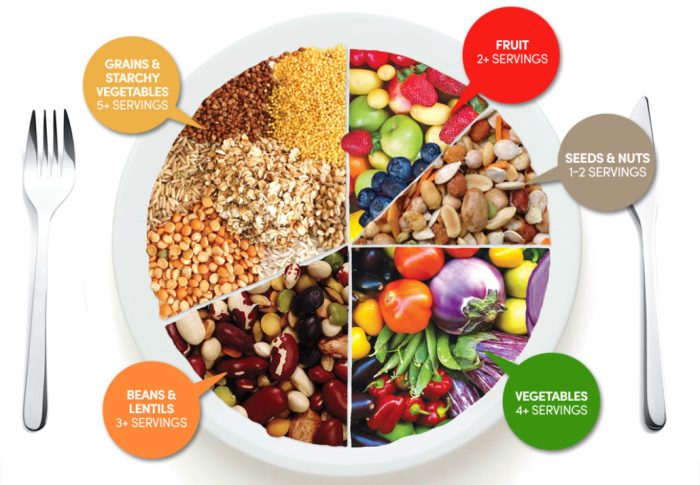
- Diversify your diet with a variety of fruits, vegetables, whole grains, legumes, nuts, and seeds.
- Consider fortified foods or supplements to meet specific nutrient needs.
- Be mindful of protein intake by incorporating sources like beans, lentils, quinoa, and tofu.
Tips for Planning Meals
Here are some tips to help you plan meals that provide adequate nutrient intake:
- Include a variety of colors on your plate to ensure a range of nutrients.
- Plan meals in advance to ensure you meet your daily nutrient requirements.
- Experiment with new recipes and ingredients to keep meals exciting and nutrient-rich.
Healthy Snacks
For vegetarians and vegans, having nutritious snacks readily available can be key to maintaining a balanced diet throughout the day. These snacks not only provide energy but also essential nutrients to support overall health.
Suggest Nutritious Snack Options
- Raw vegetables with hummus or guacamole
- Fruit salad with a sprinkle of nuts or seeds
- Whole grain crackers with nut butter
- Roasted chickpeas or edamame
Share Recipes for Easy-to-Make, Healthy Snacks
- Homemade trail mix with dried fruits and nuts
- Chia seed pudding with fresh berries
- Baked sweet potato fries with a side of salsa
- Kale chips seasoned with nutritional yeast
Discuss the Benefits of Incorporating Snacks
Snacks can help maintain steady blood sugar levels, prevent overeating during main meals, and provide a boost of energy when needed. By choosing nutrient-dense options, snacks can contribute to meeting daily nutrient requirements.
Provide Tips for Choosing Snacks
- Aim for snacks that include a combination of protein, healthy fats, and fiber for sustained energy.
- Avoid highly processed snacks with added sugars and unhealthy fats.
- Prepare snacks in advance to have them readily available when hunger strikes.
- Experiment with different ingredients and flavors to keep snacks interesting and satisfying.
Wellness Programs
Wellness programs play a crucial role in promoting health among vegetarians and vegans by providing tailored support and resources to help individuals maintain a balanced diet and lifestyle.
Components of an Effective Wellness Program
- Access to Registered Dietitians: Offering guidance from professionals who understand the unique nutritional needs of vegetarians and vegans.
- Meal Planning Support: Providing meal plans and recipes that ensure individuals are meeting their dietary requirements.
- Physical Activity Recommendations: Including exercise routines that complement a plant-based diet for overall wellness.
- Mental Health Resources: Addressing the importance of mental well-being and stress management in conjunction with diet.
Examples of Successful Wellness Initiatives
- Virtual Cooking Classes: Interactive sessions focused on preparing plant-based meals and snacks.
- Community Support Groups: Creating a sense of belonging and encouragement among like-minded individuals.
- Nutrition Workshops: Educational seminars on topics such as protein sources, micronutrients, and supplementation.
Tips for Engaging in a Wellness Program
- Set Realistic Goals: Start with achievable objectives to stay motivated and track progress.
- Stay Consistent: Make small changes over time and commit to long-term habits rather than quick fixes.
- Listen to Your Body: Pay attention to how different foods and activities make you feel and adjust accordingly.
Physical Therapy
Physical therapy plays a crucial role in the overall well-being of vegetarians and vegans by helping them maintain optimal physical health and prevent injuries.
Benefits of Physical Therapy for Vegetarians and Vegans
Physical therapy can help vegetarians and vegans improve their flexibility, strength, and posture, which are essential for maintaining an active lifestyle. It can also address any imbalances or weaknesses that may result from a plant-based diet.
Common Injuries or Conditions
- Joint pain: Due to the lack of certain nutrients in a vegetarian or vegan diet, individuals may be more prone to joint pain. Physical therapy can help alleviate this discomfort through targeted exercises and stretches.
- Muscle strains: Without a balanced intake of protein and other essential nutrients, vegetarians and vegans may be at a higher risk of muscle strains. Physical therapy can assist in strengthening muscles and preventing future injuries.
Exercises and Stretches
- Yoga: Incorporating yoga into a regular exercise routine can help vegetarians and vegans improve flexibility, balance, and strength.
- Pilates: This low-impact exercise method focuses on core strength and stability, which can be beneficial for individuals following a plant-based diet.
Tips for Integrating Physical Therapy
- Consult a physical therapist: Work with a professional to create a personalized plan that addresses your specific needs and goals.
- Stay consistent: Commit to a regular physical therapy routine to see long-term benefits and improvements in your overall health.
Health Coaching
Health coaching plays a vital role in supporting individuals with vegetarian or vegan lifestyles by providing personalized guidance and support to help them navigate the challenges and optimize their nutrition.
Benefits of Health Coaching
- Health coaching can help individuals with plant-based diets achieve their health and wellness goals by creating customized meal plans, offering nutritional advice, and providing motivation and accountability.
- Coaches can assist in identifying nutrient deficiencies often associated with vegetarian or vegan diets and recommend suitable supplements or food sources to address these gaps.
- They can also help individuals adopt a balanced approach to eating, ensuring they meet their daily caloric and nutrient requirements without compromising their ethical or lifestyle choices.
Success Stories
- One success story involves a vegan individual who struggled with meal planning and experienced low energy levels. Through health coaching, they learned how to incorporate more protein-rich foods into their diet and saw a significant improvement in their energy levels and overall well-being.
- Another success story features a vegetarian athlete who worked with a health coach to optimize their performance through targeted nutrition strategies, leading to enhanced endurance and recovery times.
Finding a Qualified Health Coach
- When searching for a health coach for vegetarians and vegans, look for professionals with certifications in health coaching, nutrition, or related fields.
- Consider their experience working specifically with plant-based clients and inquire about their approach to supporting individuals with unique dietary preferences and restrictions.
- Seek recommendations from trusted sources or online reviews to ensure you find a qualified and compatible health coach who can help you achieve your health and wellness goals.
Medical Advancements
Recent medical advancements have greatly impacted the way health professionals approach plant-based diets, especially for vegetarians and vegans. These advancements are shaping the way nutrition is viewed and understood, leading to improved health outcomes for individuals following these dietary lifestyles.
Advancements in Plant-Based Nutrition Research
- Researchers are now focusing on the specific nutrient needs of vegetarians and vegans to ensure they are meeting their requirements for essential vitamins and minerals.
- Studies are looking at the long-term effects of plant-based diets on overall health, including the prevention of chronic diseases such as heart disease, diabetes, and certain types of cancer.
- New research is exploring the benefits of plant-based proteins and their role in muscle building and recovery, challenging the traditional perception that animal protein is superior.
Innovations in Nutritional Supplements
- There have been advancements in the development of plant-based supplements that cater to the unique needs of vegetarians and vegans, ensuring they get adequate levels of nutrients like vitamin B12, iron, and omega-3 fatty acids.
- Supplement companies are now offering more options for plant-derived alternatives to traditional animal-based supplements, making it easier for individuals to maintain a balanced diet.
Personalized Nutrition and Genetic Testing
- Health professionals are utilizing genetic testing to create personalized nutrition plans for vegetarians and vegans, taking into account individual genetic variations that may impact nutrient absorption or metabolism.
- This personalized approach helps optimize nutrient intake and prevent deficiencies, leading to better health outcomes and overall well-being.
Fitness Goals
Setting and achieving fitness goals as a vegetarian or vegan is essential for overall health and well-being. By focusing on plant-based nutrition and incorporating regular physical activity, individuals can optimize their fitness journey. Here, we will discuss workout routines, tips for staying motivated, and the benefits of regular exercise for vegetarians and vegans.
Workout Routines
- Cardiovascular exercises like running, cycling, or swimming can help improve endurance and heart health.
- Strength training with bodyweight exercises, resistance bands, or weights can build muscle and increase metabolism.
- Yoga or Pilates for flexibility, balance, and stress relief.
Staying Motivated
- Set specific, measurable, achievable, relevant, and time-bound (SMART) fitness goals.
- Find a workout buddy or join group fitness classes for accountability and social support.
- Reward yourself for reaching milestones along the way.
Benefits of Regular Physical Activity
Regular physical activity offers numerous benefits for vegetarians and vegans, including:
- Improved cardiovascular health and reduced risk of chronic diseases like heart disease and diabetes.
- Enhanced mood and mental well-being through the release of endorphins.
- Weight management and increased metabolism.
- Boosted immune function and overall energy levels.
Mental Strength
Having mental strength is crucial for overall well-being, and it is closely connected to a plant-based diet. The nutrients found in fruits, vegetables, whole grains, and legumes can support brain health and cognitive function, which in turn can enhance mental resilience.
Mindfulness Practices for Mental Well-being
Mindfulness practices can be beneficial for vegetarians and vegans to support their mental well-being. By incorporating activities such as meditation, deep breathing exercises, and yoga into their daily routine, individuals can reduce stress, improve focus, and cultivate a sense of inner peace.
Tips for Cultivating Resilience
- Practice gratitude daily to shift focus to positive aspects of life.
- Engage in regular physical activity to boost mood and reduce anxiety.
- Connect with a support system of friends, family, or community for emotional support.
- Seek professional help if needed to address mental health concerns.
Contributions of Mental Strength to Overall Health
Mental strength plays a vital role in overall health and well-being. It can help individuals better cope with stress, make healthier lifestyle choices, and maintain a positive outlook on life. By building mental resilience, vegetarians and vegans can enhance their overall quality of life and achieve greater levels of success in their personal and professional endeavors.
Yoga Practice
Regular yoga practice can be highly beneficial for vegetarians and vegans, as it not only helps in improving flexibility, strength, and balance, but also promotes mindfulness and mental well-being. Yoga can complement a plant-based lifestyle by enhancing overall health and providing a sense of inner peace.
Benefits of Yoga for Vegetarians and Vegans
- Improves flexibility and strength
- Enhances mental clarity and focus
- Promotes relaxation and stress relief
- Aids in digestion and detoxification
Yoga Poses for Plant-Based Lifestyles
- Downward Facing Dog: Strengthens the arms and legs, while stretching the spine.
- Tree Pose: Improves balance and concentration, grounding the body and mind.
- Warrior II: Builds strength in the legs and opens the hips, promoting stability and focus.
Enhancing Physical and Mental Well-being through Yoga
Yoga can enhance physical well-being by improving flexibility, strength, and balance, while also promoting mental well-being through mindfulness and stress relief. It helps in creating a mind-body connection and fostering a sense of inner peace and harmony.
Tips for Incorporating Yoga into Daily Routine
- Start with short sessions and gradually increase the duration as you build strength and flexibility.
- Find a quiet and peaceful space to practice yoga, free from distractions.
- Set specific times for yoga practice each day to establish a routine and make it a habit.
- Listen to your body and modify poses as needed to suit your individual needs and abilities.
Health Education
Health education is crucial for vegetarians and vegans to ensure they are meeting their nutritional needs and maintaining overall wellness. It provides valuable information on balanced diets, essential nutrients, and lifestyle choices that support optimal health.
Importance of Ongoing Health Education
Continuously educating oneself about nutrition and wellness is essential for vegetarians and vegans to make informed decisions regarding their dietary choices. It helps individuals stay updated on the latest research, trends, and recommendations in the plant-based diet community.
- Attend workshops, seminars, and webinars focused on plant-based nutrition and health.
- Subscribe to reputable health and nutrition magazines or websites for regular updates.
- Consult with registered dietitians or nutritionists specializing in vegetarian and vegan diets for personalized guidance.
- Join vegan or vegetarian support groups to exchange knowledge and experiences with like-minded individuals.
Resources for Staying Informed
There are various sources of information available to help vegetarians and vegans stay informed about nutrition and wellness. By utilizing reliable resources, individuals can access accurate and up-to-date information to support their health journey.
- Academic journals and research studies on plant-based diets and their impact on health.
- Credible websites and online platforms dedicated to vegetarian and vegan nutrition.
- Books written by reputable authors and experts in the field of plant-based nutrition.
- Podcasts and documentaries focusing on plant-based living and its benefits.
Strategies for Continuous Learning
Developing a habit of continuous learning is key to improving health outcomes for vegetarians and vegans. By adopting effective strategies for ongoing education, individuals can enhance their knowledge and skills in managing their dietary choices.
- Set specific health and nutrition goals to motivate continuous learning and self-improvement.
- Engage in discussions and debates on plant-based nutrition topics to broaden perspectives.
- Attend cooking classes or workshops to learn new recipes and cooking techniques for plant-based meals.
- Participate in online forums and communities to exchange ideas and information with peers.
Seeking Reliable Health Education Materials
It is essential for vegetarians and vegans to seek out reliable health education materials to ensure they are receiving accurate and evidence-based information. By verifying the credibility of the sources, individuals can make informed decisions about their dietary and lifestyle choices.
- Look for information from trusted organizations and institutions specializing in vegetarian and vegan nutrition.
- Check the credentials and expertise of authors and contributors to health education materials.
- Verify the accuracy and validity of scientific studies and research cited in health education resources.
- Consult with healthcare professionals or registered dietitians to validate the information obtained from health education materials.
Weight Management: Balanced Nutrition For Vegetarians And Vegans
When it comes to weight management for vegetarians and vegans, there are specific strategies that can help in achieving and maintaining a healthy weight on a plant-based diet.
Portion Control and Mindful Eating
One key aspect of weight management is portion control. Being mindful of serving sizes and listening to your body’s hunger cues can help prevent overeating. It’s important to focus on nutrient-dense foods to ensure you’re getting the necessary vitamins and minerals without excess calories.
- Avoid mindless snacking by portioning out your snacks and eating them consciously.
- Use smaller plates to help control portion sizes and prevent overeating.
- Practice mindful eating by savoring each bite, chewing slowly, and paying attention to your body’s signals of fullness.
Meal Plans for Weight Goals
Creating meal plans that support weight goals can be beneficial for vegetarians and vegans looking to manage their weight effectively.
| Day | Breakfast | Lunch | Dinner |
|---|---|---|---|
| Monday | Chia Seed Pudding | Quinoa Salad | Veggie Stir-Fry |
| Tuesday | Smoothie Bowl | Chickpea Wrap | Grilled Tofu with Veggies |
| Wednesday | Oatmeal with Berries | Bean and Avocado Salad | Vegetable Curry |
Health Checkups
Regular health checkups play a crucial role in maintaining overall health and well-being for vegetarians and vegans. These checkups help in early detection of any potential health issues and ensure proactive monitoring of specific health markers that are important for this demographic.
Key Health Markers and Screenings
- Regular blood tests to monitor levels of essential nutrients such as vitamin B12, iron, and omega-3 fatty acids.
- Bone density scans to assess calcium levels and bone health, especially for individuals who may have limited dairy intake.
- Thyroid function tests to check for any abnormalities that could affect metabolism and energy levels.
Tips for Proactive Health Monitoring
- Stay informed about recommended screenings and tests based on your age, gender, and specific dietary needs.
- Maintain a food diary to track nutrient intake and identify any deficiencies that may require attention.
- Communicate openly with healthcare providers about your vegetarian or vegan diet to ensure tailored recommendations.
Scheduling and Preparation
- Book regular checkups at least once a year, or more frequently as advised by healthcare professionals.
- Fast as required for blood tests and follow any specific instructions provided by the healthcare team.
- Come prepared with questions or concerns related to your diet and lifestyle to make the most of your checkup.
Skin Health
Maintaining healthy skin is essential for overall well-being. For vegetarians and vegans, the connection between diet and skin health is crucial. By incorporating specific nutrients and adopting proper skincare routines, individuals can promote glowing and clear skin.
Nutrients for Healthy Skin
- Omega-3 fatty acids: Found in flaxseeds, chia seeds, walnuts, and hemp seeds, omega-3 fatty acids help maintain skin elasticity and hydration.
- Vitamin E: Present in almonds, sunflower seeds, and spinach, vitamin E acts as an antioxidant, protecting the skin from damage caused by free radicals.
- Vitamin C: Found in citrus fruits, bell peppers, and strawberries, vitamin C aids in collagen production, promoting skin firmness and elasticity.
- Zinc: Beans, lentils, seeds, and nuts are good sources of zinc, which supports skin cell regeneration and repair.
Skincare Tips for Plant-Based Diets
- Stay hydrated by drinking an adequate amount of water daily to keep the skin hydrated and supple.
- Use plant-based oils like coconut oil or argan oil as natural moisturizers to nourish the skin.
- Incorporate antioxidant-rich foods like berries, dark leafy greens, and green tea to combat oxidative stress and maintain skin health.
- Avoid processed and sugary foods, which can contribute to skin inflammation and breakouts.
Foods for Glowing Skin
- Avocados: Rich in healthy fats and vitamin E, avocados help moisturize and protect the skin.
- Sweet potatoes: Packed with beta-carotene, sweet potatoes promote a healthy skin tone and provide antioxidant benefits.
- Almonds: With vitamin E and antioxidants, almonds can help reduce inflammation and protect the skin from UV damage.
- Spinach: High in vitamin C, spinach supports collagen production for youthful and radiant skin.
Emotional Health
Emotional health plays a crucial role in overall well-being, affecting how individuals feel, think, and act. For vegetarians and vegans, diet can have a significant impact on emotional health, influencing mood, stress levels, and mental clarity.
Diet and Emotional Well-being
The food choices made by vegetarians and vegans can impact their emotional health. Nutrient-dense foods like fruits, vegetables, whole grains, nuts, and seeds can provide essential vitamins and minerals that support brain function and mood regulation. On the other hand, processed foods, excessive sugar, and caffeine can lead to mood swings, fatigue, and irritability.
Practices for Emotional Well-being
- Engage in mindfulness practices such as meditation or deep breathing exercises to reduce stress and promote relaxation.
- Connect with nature by spending time outdoors or practicing ecotherapy to improve mood and mental well-being.
- Cultivate social connections by engaging in meaningful relationships with friends, family, or support groups to enhance emotional resilience.
- Seek professional help from a therapist or counselor if experiencing persistent feelings of anxiety, depression, or other emotional challenges.
Tips for Managing Stress and Cultivating a Positive Mindset
- Practice self-care activities like yoga, journaling, or hobbies that bring joy and relaxation.
- Set realistic goals and prioritize tasks to avoid feeling overwhelmed or stressed.
- Acknowledge and express emotions in a healthy way, whether through talking to a trusted individual or creative outlets like art or music.
Impact of Emotional Health on Overall Wellness
Emotional health directly influences physical health, with chronic stress or emotional turmoil leading to increased risk of conditions like heart disease, obesity, and weakened immune function. By prioritizing emotional well-being through diet, self-care practices, and stress management techniques, individuals can enhance their overall wellness and lead a more fulfilling life.
Health Motivation
Maintaining a healthy lifestyle as a vegetarian or vegan requires consistent motivation. Let’s explore strategies to stay inspired on your health journey.
Intrinsic and Extrinsic Motivation
Intrinsic motivation comes from within, driven by personal values and goals. Extrinsic motivation, on the other hand, comes from external factors like rewards or recognition. Finding a balance between the two can help sustain healthy habits in the long run.
- Set clear and achievable goals based on your values and beliefs to enhance intrinsic motivation.
- Reward yourself for small victories or milestones to boost extrinsic motivation.
- Engage in activities that align with your values, such as volunteering or joining a community of like-minded individuals.
Success Stories
Reading about the success stories of others can be incredibly motivating. Here are a few examples to inspire you on your health journey:
“After switching to a plant-based diet, I noticed a significant improvement in my energy levels and overall well-being. This positive change kept me motivated to continue prioritizing my health.”
“By incorporating regular exercise into my routine and focusing on whole, nutrient-dense foods, I was able to achieve my fitness goals as a vegan. The progress I made motivated me to maintain a healthy lifestyle.”
Tips for Overcoming Challenges
Staying motivated can be challenging, especially when faced with obstacles. Here are some tips to help you overcome common challenges and stay inspired:
- Find a support system of friends, family, or online communities who share your health goals.
- Experiment with new recipes and flavors to keep your plant-based diet exciting and enjoyable.
- Practice self-care activities like meditation, yoga, or mindfulness to reduce stress and boost motivation.
Physical Activities
Regular physical activity is crucial for vegetarians and vegans to maintain overall health and well-being. Exercise not only helps in weight management but also improves cardiovascular health, boosts mood, and enhances energy levels.
Well-Suited Workouts and Sports
- Yoga: Ideal for improving flexibility, strength, and relaxation.
- HIIT (High-Intensity Interval Training): Effective for burning calories and improving cardiovascular fitness.
- Cycling: Great for lower body strength and cardiovascular health.
- Dance: Fun way to stay active and improve coordination.
Tips for Daily Movement
- Take the stairs instead of the elevator.
- Go for a brisk walk during lunch breaks.
- Incorporate stretching exercises while watching TV.
- Use a standing desk to avoid prolonged sitting.
Benefits of Diverse Physical Activities
Engaging in various types of physical activities offers multiple benefits, such as:
- Improved cardiovascular health
- Enhanced muscle tone and strength
- Better stress management
- Increased metabolism
Health Awareness
Health awareness plays a crucial role in the lives of vegetarians and vegans, as it involves being mindful of one’s health status and needs to ensure overall well-being. By staying informed and proactive about their health, individuals can make informed decisions that support their unique dietary choices and lifestyle.
The Significance of Health Awareness
Being aware of one’s health status and needs allows vegetarians and vegans to address any deficiencies or potential health risks associated with their diet. By monitoring their nutrient intake, staying active, and seeking regular check-ups, individuals can proactively manage their health and prevent potential complications.
Tips for Fostering Health Awareness, Balanced nutrition for vegetarians and vegans
- Stay informed about the nutritional requirements of a vegetarian or vegan diet through reputable sources.
- Engage in regular physical activity to support overall health and well-being.
- Participate in health education programs or workshops to stay updated on the latest health trends and research.
- Encourage open communication within the vegetarian and vegan community to share experiences and learn from one another.
Examples of Better Outcomes through Health Awareness
- By monitoring their iron levels and incorporating iron-rich foods in their diet, vegetarians can prevent anemia and maintain optimal energy levels.
- Regular health check-ups can help vegans identify any potential nutrient deficiencies early on and address them through dietary modifications or supplements.
- Increased health awareness can lead to a stronger immune system, improved mood, and enhanced overall quality of life for vegetarians and vegans.
Preventive Medicine
Preventive medicine plays a crucial role in supporting the health of vegetarians and vegans by focusing on proactive measures to maintain well-being and prevent diseases.
By incorporating preventive measures and practices into daily life, individuals can reduce the risk of various health conditions and enjoy long-term benefits.
Benefits of Preventive Medicine for Vegetarians and Vegans
- Regular health check-ups can help in early detection of any potential health issues, allowing for timely intervention and treatment.
- Following a balanced nutrition plan tailored to individual needs can prevent nutrient deficiencies commonly associated with plant-based diets.
- Engaging in regular physical activities and exercise can strengthen the immune system and lower the risk of chronic diseases.
- Practicing mindfulness techniques such as yoga and meditation can reduce stress levels, which in turn can positively impact overall health.
Nutritional Counseling
Nutritional counseling plays a crucial role in the lives of vegetarians and vegans, as it helps individuals optimize their diets to ensure they are getting all the essential nutrients they need from plant-based sources.
Importance of Nutritional Counseling
Nutritional counseling for vegetarians and vegans is essential to ensure they are meeting their daily requirements for key nutrients such as protein, iron, calcium, vitamin B12, and omega-3 fatty acids. A nutritionist or dietitian can provide personalized guidance to help individuals create well-balanced meal plans that meet their specific dietary needs.
- Offering guidance on plant-based sources of essential nutrients
- Assisting in meal planning to ensure a balanced diet
- Addressing potential nutrient deficiencies common in vegetarian and vegan diets
- Providing support and motivation to help individuals stay on track with their dietary goals
Finding a Qualified Nutritional Counselor
When seeking a nutritional counselor who understands plant-based nutrition, it is important to look for professionals with credentials such as Registered Dietitian Nutritionists (RDN) or Certified Nutrition Specialists (CNS). Additionally, seeking recommendations from other vegetarians or vegans who have had positive experiences with a nutritionist can be helpful.
It’s crucial to find a nutritional counselor who is knowledgeable about plant-based nutrition and can provide personalized guidance tailored to your specific dietary needs.
Personalized Nutrition Plans
Examples of personalized nutrition plans for vegetarians and vegans may include meal plans that focus on incorporating a variety of plant-based protein sources such as legumes, tofu, tempeh, and quinoa. These plans may also emphasize the importance of including a wide range of fruits, vegetables, whole grains, and nuts to ensure individuals are getting a diverse array of nutrients.
- Sample meal plans for different dietary preferences (e.g., vegan, vegetarian, flexitarian)
- Recipes and cooking tips to help individuals prepare nutritious plant-based meals
- Guidance on supplementing with key nutrients that may be lacking in a plant-based diet
Healthy Mind
Proper nutrition is not only vital for physical health but also plays a significant role in maintaining a healthy mind. For vegetarians and vegans, making mindful choices when it comes to diet can have a positive impact on cognitive function and emotional well-being.
Impact of Nutrition on Mental Well-being
- Eating a diet rich in fruits, vegetables, whole grains, nuts, and seeds can provide essential nutrients like vitamins, minerals, and antioxidants that support brain health.
- Omega-3 fatty acids found in plant-based sources such as flaxseeds, chia seeds, and walnuts are known to benefit cognitive function and mood regulation.
- Avoiding processed foods, sugary treats, and excessive caffeine can help in stabilizing energy levels and preventing mood swings.
Tips for Nourishing a Healthy Mind
- Stay hydrated by drinking an adequate amount of water throughout the day to support brain function.
- Incorporate stress-reducing practices like meditation, yoga, or deep breathing exercises into your daily routine to promote mental clarity.
- Get an ample amount of sleep to allow your brain to rest and recharge for optimal cognitive performance.
Foods for Brain Health and Emotional Balance
- Dark leafy greens like spinach and kale are rich in folate, a B-vitamin that plays a role in neurotransmitter synthesis and mood regulation.
- Berries such as blueberries, strawberries, and raspberries are packed with antioxidants that help protect brain cells from oxidative stress.
- Legumes like lentils, chickpeas, and black beans provide a good source of plant-based protein and fiber, promoting stable blood sugar levels and sustained energy.
FAQ Section
What nutrients are essential for vegetarians and vegans?
Key nutrients to focus on include protein, iron, calcium, vitamin B12, and omega-3 fatty acids.
How can vegetarians and vegans ensure they get enough protein?
Protein sources like beans, lentils, tofu, tempeh, nuts, and seeds can help meet protein needs.
Is it challenging to plan balanced meals without animal products?
With proper meal planning and knowledge of nutrient-rich plant foods, it is possible to achieve balanced nutrition.


More Stories