Nutritional Counseling and Food Allergies
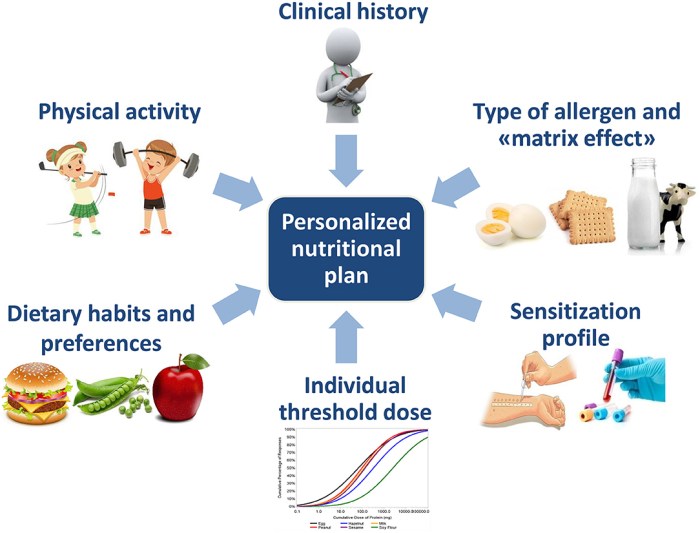
Nutritional counseling plays a crucial role in helping individuals with food allergies navigate their dietary needs. By working with a professional dietitian or nutritionist, those with food allergies can develop personalized nutrition plans that ensure they meet their nutritional requirements while avoiding allergens that may trigger adverse reactions.
Common Food Allergens and Identification
When it comes to food allergies, some common allergens include peanuts, tree nuts, dairy, eggs, soy, wheat, fish, and shellfish. Through nutritional counseling, individuals can learn how to identify these allergens in food labels, menus, and various food products. This knowledge is essential for those with food allergies to make informed choices and prevent accidental exposure to allergens.
Creating Personalized Nutrition Plans
- Assessment of Individual Needs: Nutritional counseling involves a thorough assessment of an individual’s dietary requirements, allergies, preferences, and lifestyle factors.
- Elimination of Allergens: Based on the identified allergens, a personalized nutrition plan will exclude these ingredients while ensuring the individual receives adequate nutrients from other sources.
- Alternative Options: Nutritionists can recommend suitable substitutions or alternative foods to help individuals meet their nutritional needs without compromising taste or variety.
- Educational Support: Counseling sessions also provide education on food preparation, reading labels, dining out safely, and managing food allergies in social settings.
Healthy Snacks
When it comes to snacking, choosing nutrient-dense options is essential for maintaining a balanced diet. For individuals with food allergies, finding suitable snacks can be challenging, but it is still possible to enjoy delicious and healthy options.
Examples of Healthy Snacks for Individuals with Food Allergies
- Fruit salad with dairy-free yogurt
- Rice cakes with almond butter
- Veggies and hummus
- Popcorn seasoned with nutritional yeast
- Homemade trail mix with nuts and dried fruits
The Importance of Incorporating Nutrient-Dense Snacks
Choosing snacks that are rich in nutrients not only helps to satisfy hunger between meals but also provides essential vitamins and minerals for overall health. Nutrient-dense snacks can help to stabilize blood sugar levels and prevent energy crashes throughout the day.
Tips for Preparing Allergen-Free Snacks at Home
- Read labels carefully to avoid allergens
- Experiment with alternative ingredients like gluten-free flours or dairy substitutes
- Prepare snacks in bulk and store them in portion-sized containers for convenience
- Get creative with flavors and textures to keep snacks interesting
- Consider trying new recipes or modifying existing ones to suit your dietary needs
Wellness Programs
Wellness programs play a crucial role in supporting individuals with food allergies in achieving overall health. These programs focus on holistic well-being, emphasizing the importance of nutrition, mindfulness, and stress management to improve quality of life.
Role of Mindfulness and Stress Management
In wellness programs, mindfulness practices such as meditation, deep breathing exercises, and yoga can help individuals with food allergies manage stress levels effectively. By incorporating these techniques into their daily routine, individuals can reduce anxiety and improve their mental health, which in turn can positively impact their physical well-being.
Incorporating Nutritional Counseling
Wellness programs can integrate nutritional counseling specifically tailored for individuals with food allergies. This counseling provides guidance on creating balanced meal plans, understanding food labels, and making informed food choices to prevent allergic reactions. Additionally, it educates individuals on alternative food options and cooking techniques to ensure they meet their nutritional needs while avoiding allergens.
Physical Therapy
Physical therapy plays a crucial role in the management of food allergies, as it can help individuals improve their overall physical health and well-being. In conjunction with nutritional counseling, physical therapy can provide a comprehensive approach to managing food allergies and promoting a healthy lifestyle.
Benefits of Physical Therapy for Individuals with Food Allergies
- Physical therapy can help individuals with food allergies improve their strength and flexibility, which can be beneficial in managing any physical symptoms or complications associated with their allergies.
- By incorporating exercises and stretches tailored to the individual’s needs, physical therapists can help reduce inflammation and improve circulation, which can aid in the body’s response to allergens.
- Physical therapy can also play a role in stress management and relaxation techniques, which are important for individuals dealing with the emotional and mental aspects of living with food allergies.
Health Coaching
Health coaches play a crucial role in supporting individuals with food allergies by providing personalized guidance, education, and motivation to help them navigate their dietary restrictions and make informed choices for their overall well-being.
Supporting Individuals with Food Allergies
Health coaching can help individuals with food allergies achieve their wellness goals by creating customized meal plans, offering practical tips for grocery shopping and dining out, and providing emotional support to cope with the challenges of managing food allergies on a daily basis.
Achieving Wellness Goals
– Health coaches work closely with individuals to identify trigger foods, develop strategies for avoiding allergens, and address any nutritional deficiencies that may arise from restricted diets.
– They empower individuals to take control of their health through lifestyle modifications, stress management techniques, and behavior change interventions.
– Health coaching fosters a positive mindset and promotes self-care practices that enhance physical and mental well-being.
Success Stories
– Sarah, who struggled with severe nut allergies, worked with a health coach to create a safe and balanced meal plan. With ongoing support and guidance, she learned how to read food labels effectively and advocate for her dietary needs at social gatherings.
– John, diagnosed with celiac disease, found relief from digestive issues and improved energy levels after collaborating with a health coach to transition to a gluten-free diet. Through regular check-ins and accountability, he discovered new recipes and meal prep techniques that made his dietary restrictions more manageable.
– Maria, a busy professional with multiple food sensitivities, benefited from health coaching sessions that helped her prioritize self-care, establish healthy eating habits, and navigate challenging situations at work functions. With the coach’s encouragement, Maria regained confidence in her ability to make informed food choices and maintain a balanced lifestyle.
Medical Advancements
Nutritional counseling and food allergies – Recent medical advancements have greatly impacted the treatment and management of food allergies. These breakthroughs have provided hope for individuals living with these conditions, offering new possibilities for improved quality of life.
Immunotherapy
One of the most significant advancements in the treatment of food allergies is the development of immunotherapy. This treatment involves exposing individuals to small, controlled amounts of the allergen, gradually desensitizing their immune system. Immunotherapy has shown promising results in reducing allergic reactions and improving tolerance to certain foods.
Biologics
Biologics are another area of research that holds great potential for the management of food allergies. These medications target specific pathways in the immune system, helping to prevent allergic reactions and reduce inflammation. Biologics may offer a more targeted and effective approach to treating food allergies in the future.
Genetic Studies
Advancements in genetic studies have also shed light on the underlying causes of food allergies. Researchers are uncovering genetic factors that may predispose individuals to certain allergies, leading to personalized treatment options based on an individual’s genetic profile. This personalized approach could revolutionize the way food allergies are diagnosed and managed.
Fitness Goals
Setting and achieving fitness goals is essential for overall health and well-being, especially for individuals with food allergies. Physical activity plays a crucial role in managing food allergies and maintaining a healthy lifestyle. Here are some tips on how individuals with food allergies can adapt their fitness routines to meet their goals:
Importance of Physical Activity
Regular physical activity not only helps individuals with food allergies stay fit but also boosts their immune system and reduces the risk of chronic diseases. It can also improve digestion and overall well-being. Here are some key points to consider:
- Engage in activities that you enjoy and that are safe for your specific food allergies.
- Consult with a fitness professional or allergist to create a personalized workout plan.
- Stay hydrated and carry emergency medication, such as an EpiPen, if needed.
- Listen to your body and adjust your routine based on how you feel.
Adapting Fitness Routines
Adapting fitness routines for individuals with food allergies requires careful planning and consideration. Here are some tips to help you adapt your workouts effectively:
- Choose allergy-friendly workout supplements and snacks to fuel your body before and after exercise.
- Avoid allergen-containing environments, such as gyms with airborne allergens or cross-contamination risks.
- Communicate your food allergies to workout partners, trainers, and instructors to ensure a safe fitness experience.
- Be prepared for allergic reactions by carrying your medications and wearing medical alert identification.
Balanced Nutrition
Maintaining a balanced diet is crucial for individuals managing food allergies. It helps support overall health and can aid in reducing the impact of allergic reactions. Here are some tips on how to achieve balanced nutrition while avoiding allergens:
Tips for Maintaining a Balanced Diet with Food Allergies
- Avoid processed foods and opt for whole, natural foods whenever possible.
- Read food labels carefully to identify potential allergens and hidden ingredients.
- Focus on consuming a variety of nutrient-dense foods to ensure you’re getting all the essential vitamins and minerals.
- Consider working with a registered dietitian to create a customized meal plan that meets your nutritional needs while avoiding allergens.
Nutrient-Rich Foods to Support Individuals with Food Allergies
Here are some examples of nutrient-rich foods that can help individuals with food allergies meet their dietary requirements:
| Food Group | Examples |
|---|---|
| Protein | Beans, lentils, quinoa, tofu |
| Fruits | Berries, apples, oranges, bananas |
| Vegetables | Spinach, broccoli, sweet potatoes, bell peppers |
| Whole Grains | Brown rice, oats, millet, buckwheat |
| Healthy Fats | Avocados, nuts, seeds, olive oil |
Mental Strength
Mental strength plays a crucial role in coping with food allergies as it allows individuals to navigate the challenges and emotional impact that come with managing their condition.
Building Resilience and Positive Mindset
Building resilience and fostering a positive mindset are essential for individuals with food allergies to face their daily struggles with confidence and determination. Strategies for achieving this include:
- Practicing mindfulness and meditation to reduce stress and anxiety levels.
- Engaging in regular physical activity to boost mood and overall well-being.
- Seeking support from friends, family, and support groups to share experiences and coping mechanisms.
- Setting realistic goals and celebrating small victories to maintain motivation and morale.
Impact on Overall Health Outcomes
Mental strength not only helps individuals with food allergies cope better with their condition but also positively impacts their overall health outcomes. By maintaining a positive mindset and resilience, individuals are more likely to adhere to their dietary restrictions, manage stress effectively, and seek necessary medical attention when needed. This proactive approach can lead to improved physical health and better quality of life.
Yoga Practice
Yoga practice can offer numerous benefits for individuals with food allergies. Not only does it help in promoting relaxation and reducing stress, but it can also complement nutritional counseling by providing a holistic approach to overall well-being.
Specific Yoga Poses for Individuals with Food Allergies
- Child’s Pose: This gentle pose can help in calming the mind and relieving stress, creating a sense of relaxation.
- Corpse Pose: Also known as Savasana, this pose promotes deep relaxation and can be beneficial for individuals dealing with food allergies.
- Seated Forward Bend: This pose can help in stretching the spine and calming the mind, reducing anxiety and stress levels.
Benefits of Yoga Practice for Individuals with Food Allergies
- Stress Reduction: Yoga practice can help in lowering stress levels, which can be beneficial for individuals with food allergies as stress can exacerbate symptoms.
- Improved Mental Clarity: By calming the mind and promoting relaxation, yoga can help individuals focus on their nutritional goals and make healthier choices.
- Enhanced Mind-Body Connection: Yoga can help individuals become more in tune with their bodies, making it easier to identify and manage food allergy symptoms.
Health Education
Health education plays a crucial role in raising awareness about food allergies. By providing individuals with the necessary knowledge and information, they can better understand the risks associated with certain foods and how to manage their allergies effectively.
Importance of Health Education in Food Allergies
- Health education helps individuals identify common food allergens and understand the symptoms of an allergic reaction.
- It empowers individuals to read food labels carefully to avoid potential allergens and make informed choices when dining out.
- Education on food allergies can also help reduce the stigma and misconceptions surrounding allergies, creating a more supportive environment for those affected.
Empowerment through Education
- By educating individuals about food allergies, they can take proactive steps to prevent allergic reactions and seek appropriate medical help when needed.
- Understanding the importance of carrying an epinephrine auto-injector can save lives in emergency situations.
- Health education encourages open communication with healthcare providers and promotes a proactive approach to managing food allergies.
Resources for Health Education
- Local allergy clinics and hospitals often offer educational programs and workshops on food allergies.
- Online resources such as reputable websites, blogs, and forums can provide up-to-date information on the latest research and developments in food allergy management.
- Community support groups can offer valuable insights and firsthand experiences from individuals living with food allergies.
Weight Management
Maintaining a healthy weight is crucial for overall well-being, especially for individuals with food allergies. Proper weight management can help reduce inflammation, improve energy levels, and support overall health.
Strategies for Weight Management with Food Allergies
- Avoid processed foods: Opt for whole, natural foods to minimize exposure to potential allergens and support weight management.
- Focus on nutrient-dense foods: Incorporate a variety of fruits, vegetables, lean proteins, and healthy fats to meet nutritional needs while managing weight.
- Work with a registered dietitian: Seek guidance from a professional to create a personalized meal plan that aligns with your food allergies and weight management goals.
- Stay hydrated: Drink plenty of water throughout the day to support metabolism and aid in weight management.
Nutritional Counseling for Weight Management
Nutritional counseling plays a vital role in helping individuals with food allergies achieve their weight management goals. By working with a qualified professional, you can receive personalized guidance on meal planning, portion control, and making healthy food choices.
Tips for Maintaining a Healthy Weight with Food Allergies
- Read food labels carefully: Always check ingredient labels to avoid allergens and make informed choices for weight management.
- Plan ahead: Prepare meals and snacks in advance to ensure you have safe and nutritious options readily available.
- Stay active: Incorporate regular physical activity into your routine to support weight management and overall health.
- Listen to your body: Pay attention to hunger and fullness cues to prevent overeating and support weight management with food allergies.
Health Checkups
Regular health checkups are essential for individuals with food allergies to monitor their overall health and manage any potential risks effectively. These checkups can help in early detection of any complications related to food allergies, ensuring timely intervention and treatment.
Importance of Health Checkups for Individuals with Food Allergies
- Regular health checkups can help individuals with food allergies track any changes in their health status and manage their condition effectively.
- Health screenings and tests during checkups can identify any deficiencies or complications that may arise due to food allergies.
- Monitoring overall health through checkups can aid in preventing any potential allergic reactions and maintaining a healthy lifestyle.
Specific Health Screenings for Individuals with Food Allergies, Nutritional counseling and food allergies
- Allergy testing to determine specific food allergens triggering allergic reactions.
- Blood tests to check for any nutrient deficiencies or immune system responses related to food allergies.
- Skin prick tests to identify immediate allergic reactions to certain foods.
Monitoring Overall Health with Health Checkups
- Regular health checkups can help in monitoring the overall well-being of individuals with food allergies and ensure proper management of their condition.
- Health professionals can provide personalized advice and guidance based on the results of health screenings, promoting better health outcomes.
- Early detection of any health issues through checkups can lead to timely interventions, reducing the risk of severe allergic reactions or complications.
Skin Health
Maintaining healthy skin is essential for overall well-being, and individuals with food allergies may face additional challenges in achieving optimal skin health. The connection between food allergies and skin conditions can be significant, as certain allergens can trigger skin reactions and inflammation.
Impact of Food Allergies on Skin Health
- Food allergies can exacerbate skin conditions such as eczema, hives, and dermatitis.
- Consuming allergenic foods can lead to itchiness, redness, and swelling of the skin.
- Inflammation caused by food allergies can contribute to acne and other skin issues.
Nutrition and Skincare Tips for Individuals with Food Allergies
- Avoiding trigger foods can help in managing skin reactions and maintaining skin health.
- Focus on a nutrient-rich diet with plenty of fruits, vegetables, and healthy fats to support skin health.
- Stay hydrated and moisturize regularly to keep the skin hydrated and prevent dryness.
- Use hypoallergenic skincare products to minimize the risk of allergic reactions.
- Consult a dermatologist or allergist for personalized advice on managing food allergies and skin health.
Emotional Health
Living with food allergies can have a significant emotional impact on individuals. The constant fear of accidental exposure, the need to always be vigilant about ingredients, and the social challenges that come with dining out can take a toll on one’s emotional well-being.
Strategies for Emotional Well-being
It is essential for individuals with food allergies to prioritize their emotional health. Here are some strategies to maintain well-being and cope with the challenges:
- Seek support from family, friends, or a therapist to talk about your feelings and fears related to food allergies.
- Practice stress-reducing techniques such as deep breathing, meditation, or yoga to help manage anxiety.
- Educate others about your food allergies to create a supportive environment and reduce misunderstandings.
- Engage in activities that bring you joy and relaxation to balance out the stress of managing food allergies.
- Stay informed about the latest research and developments in food allergy management to feel empowered and in control.
Personal Experiences
Many individuals have shared their personal stories of navigating emotional health while living with food allergies. From feelings of isolation to moments of triumph, these experiences highlight the resilience and strength of those managing food allergies.
Health Motivation
In order to effectively manage food allergies and maintain overall health, staying motivated is key. Motivation plays a crucial role in setting achievable health goals and staying inspired throughout the journey towards better health outcomes.
Ways to Stay Motivated
- Set specific and realistic goals: Define clear objectives that are attainable and measurable.
- Reward yourself: Celebrate small victories along the way to keep yourself motivated.
- Find a support system: Surround yourself with family, friends, or a health coach who can encourage and motivate you.
- Stay informed: Educate yourself about the importance of managing food allergies and maintaining a healthy lifestyle.
Impact of Motivation on Health Outcomes
Motivation can positively influence health outcomes by increasing adherence to dietary restrictions, promoting consistency in healthy habits, and boosting overall well-being.
Individuals with food allergies who stay motivated are more likely to follow their prescribed dietary plans, engage in regular physical activities, and seek necessary medical care when needed. This proactive approach can lead to better management of food allergies and improved overall health outcomes.
Physical Activities
Regular physical activity is essential for overall health and well-being, including for individuals with food allergies. Engaging in different types of physical activities can help manage food allergies effectively and improve quality of life. Here are some tips on how to incorporate physical activities into daily routines for individuals with food allergies.
Types of Physical Activities for Individuals with Food Allergies
- Low-impact exercises such as walking, swimming, and cycling are gentle on the body and can be suitable for individuals with food allergies.
- Yoga and Pilates can help improve flexibility, strength, and relaxation, providing a holistic approach to fitness for individuals with food allergies.
- Strength training with resistance bands or bodyweight exercises can help build muscle and increase metabolism, contributing to overall health for individuals with food allergies.
Benefits of Regular Exercise in Managing Food Allergies
- Regular exercise can boost the immune system and reduce inflammation, potentially helping to alleviate symptoms of food allergies.
- Physical activity can improve digestion and promote gut health, which is crucial for individuals with food allergies to maintain a healthy digestive system.
- Exercise can also reduce stress and anxiety, which are common triggers for food allergy reactions, leading to better management of symptoms.
Tips for Incorporating Physical Activities into Daily Routines
- Schedule workouts at the same time each day to establish a routine and ensure consistency in physical activity.
- Choose activities that you enjoy and that fit your fitness level to make exercise more enjoyable and sustainable in the long run.
- Listen to your body and adjust the intensity of your workouts based on how you feel to prevent overexertion and potential allergic reactions.
Health Awareness: Nutritional Counseling And Food Allergies
Raising awareness about food allergies in the community is crucial to ensure the safety and well-being of individuals who suffer from these conditions. It helps to educate the public about the potential dangers of certain foods and the importance of avoiding cross-contamination.
Importance of Health Awareness
- Increased awareness can lead to early detection of food allergies in individuals, allowing for prompt medical intervention.
- Education about food allergies can help prevent accidental exposure and severe reactions that could be life-threatening.
- Community awareness fosters a more inclusive and supportive environment for individuals with food allergies, reducing stigma and discrimination.
Initiatives and Campaigns
Various initiatives and campaigns are focused on promoting health awareness around food allergies:
- The Food Allergy Research & Education (FARE) organization conducts educational programs and advocacy efforts to raise awareness and support individuals with food allergies.
- Food Allergy Awareness Week, typically held in May, aims to educate the public about food allergies and promote understanding and compassion towards those affected.
- Local community events, such as food allergy walks and fundraisers, help bring attention to the challenges faced by individuals with food allergies and their families.
Preventive Medicine
Preventive medicine plays a crucial role in managing food allergies by focusing on measures to avoid allergic reactions and improve overall health outcomes for individuals with allergies.
Preventive Measures for Food Allergies
- Always read food labels carefully to identify potential allergens.
- Avoid cross-contamination by using separate utensils and cooking spaces for allergen-free meals.
- Carry an epinephrine auto-injector at all times in case of severe allergic reactions.
- Inform family, friends, and caregivers about your food allergies to ensure they are aware and can provide necessary support.
- Work with a healthcare provider to develop an emergency action plan for managing allergic reactions.
Health Benefits of Preventive Medicine for Food Allergies
Preventive medicine can lead to fewer allergic reactions, reduced hospitalizations, and improved quality of life for individuals with food allergies.
By following preventive measures and staying vigilant about allergen exposure, individuals can minimize risks and maintain better control over their health. Regular check-ups and consultations with healthcare providers can also help in early detection of any potential issues, leading to timely interventions and improved health outcomes.
Nutritional Counseling
Nutritional counseling plays a crucial role in helping individuals with food allergies manage their condition and improve their overall health. By working with a nutritionist or dietitian, individuals can receive personalized guidance and support to navigate their dietary restrictions and ensure they are meeting their nutritional needs effectively.
Benefits of Nutritional Counseling for Individuals with Food Allergies
- Customized meal plans: Nutritionists can create personalized meal plans that take into account food allergies, ensuring individuals are getting the necessary nutrients without triggering allergic reactions.
- Educational resources: Nutritionists provide valuable education on food allergies, ingredient labels, and alternative food options to help individuals make informed choices.
- Emotional support: Dealing with food allergies can be challenging emotionally, and nutritionists offer emotional support and motivation to help individuals stay on track with their dietary goals.
Role of a Nutritionist or Dietitian in Providing Guidance and Support
- Assessment: Nutritionists conduct a thorough assessment of an individual’s dietary habits, food allergies, and nutritional needs to develop a tailored plan.
- Monitoring: Nutritionists monitor progress, make adjustments as needed, and provide ongoing support to ensure individuals are achieving their health goals.
- Evidence-based recommendations: Nutritionists base their guidance on scientific evidence and research to ensure the effectiveness and safety of the dietary recommendations.
Success Stories of Individuals who have Improved their Health through Nutritional Counseling for Food Allergies
- John, who suffered from severe food allergies, worked with a nutritionist to identify trigger foods and develop a safe and balanced meal plan. With ongoing support, John saw a significant improvement in his symptoms and overall well-being.
- Sarah, a young child with multiple food allergies, received nutritional counseling to ensure she was meeting her nutritional needs despite her restrictions. Her parents reported a noticeable difference in Sarah’s energy levels and skin health after implementing the nutritionist’s recommendations.
- Emily, who struggled with managing her food allergies on her own, found relief and confidence in her dietary choices after seeking guidance from a dietitian. Through education and support, Emily was able to enjoy a wider variety of foods without compromising her health.
Healthy Mind
Maintaining a healthy mind is crucial in managing food allergies as it can help individuals cope with the challenges and stress that come with having dietary restrictions. A positive mindset can also lead to better overall health outcomes and improved quality of life for those with food allergies.
Mindfulness Practices for Food Allergies
- Practicing mindfulness techniques such as meditation, deep breathing, and yoga can help individuals with food allergies reduce anxiety and stress levels.
- Being mindful of their thoughts and emotions can also help individuals with food allergies stay focused and calm in challenging situations, such as dining out or dealing with food-related anxiety.
- Engaging in mindfulness practices regularly can promote a sense of inner peace and well-being, which can positively impact both physical and mental health for individuals with food allergies.
Tips for Promoting Mental Well-being
- Seeking support from a therapist or counselor who specializes in food allergies can help individuals process their emotions and develop coping strategies.
- Connecting with a support group or online community of individuals with food allergies can provide a sense of belonging and understanding.
- Practicing self-care activities such as journaling, spending time in nature, or engaging in hobbies can help individuals with food allergies relax and recharge.
- Setting realistic goals and celebrating achievements, no matter how small, can boost self-confidence and motivation in managing food allergies.
FAQ Section
How can nutritional counseling benefit individuals with food allergies?
Nutritional counseling can provide tailored guidance on managing food allergies, creating personalized nutrition plans to support overall health.
What are some common food allergens that can be identified through counseling?
Common food allergens like peanuts, tree nuts, dairy, soy, eggs, and wheat can be identified through counseling sessions.
How can personalized nutrition plans be created for individuals with food allergies?
Personalized nutrition plans for individuals with food allergies are designed by avoiding allergens and ensuring nutrient-rich, balanced meals.
Is nutritional counseling essential for individuals with food allergies?
Yes, nutritional counseling is crucial for managing food allergies effectively and promoting overall well-being.


More Stories
Benefits of daily yoga practice: Improve Flexibility, Reduce Stress, Enhance Health