Preventive Medicine and Health Education
Preventive medicine plays a crucial role in maintaining overall health by focusing on preventing diseases before they occur. By adopting preventive measures and promoting health education, individuals can take proactive steps towards leading a healthier life.
Importance of Preventive Measures, Preventive medicine and health education
- Regular physical activity: Engaging in exercise can help prevent chronic diseases like heart disease, diabetes, and obesity.
- Healthy diet: Consuming a balanced diet rich in fruits, vegetables, whole grains, and lean proteins can lower the risk of developing various health conditions.
- Regular health check-ups: Routine screenings and check-ups can detect potential health issues early, allowing for timely intervention.
Role of Health Education
- Increasing awareness: Health education programs aim to educate individuals about the importance of preventive measures and how they can incorporate them into their daily lives.
- Promoting behavior change: By providing information on healthy habits and lifestyle choices, health education empowers individuals to make informed decisions that support their well-being.
- Empowering individuals: Health education equips individuals with the knowledge and skills needed to take control of their health and make positive changes for the long term.
Healthy Snacks
When it comes to maintaining a balanced diet, healthy snacks play a crucial role in providing necessary nutrients and energy throughout the day. Opting for nutritious snacks over processed foods can have a significant impact on your overall health and well-being.
List of Nutritious and Easy-to-Prepare Healthy Snacks:
- Fruit salad with a sprinkle of chia seeds
- Greek yogurt topped with berries and a drizzle of honey
- Vegetable sticks with hummus
- Homemade trail mix with nuts, seeds, and dried fruits
- Whole grain crackers with avocado slices and cherry tomatoes
Benefits of Opting for Healthy Snacks Over Processed Foods:
- Healthy snacks provide essential nutrients like vitamins, minerals, and fiber, supporting overall health.
- Choosing nutritious snacks can help in weight management and reduce the risk of chronic diseases.
- Healthy snacks can boost energy levels and improve focus and concentration, especially during busy days.
- By opting for whole foods as snacks, you can avoid added sugars, unhealthy fats, and artificial ingredients present in processed snacks.
Tips on How to Incorporate Healthy Snacks into a Balanced Diet:
- Plan ahead and prepare snacks in advance to have them readily available when hunger strikes.
- Include a variety of food groups in your snacks to ensure a balance of nutrients.
- Opt for whole foods like fruits, vegetables, nuts, seeds, and whole grains instead of packaged snacks.
- Listen to your body’s hunger cues and choose snacks that satisfy your cravings while nourishing your body.
Wellness Programs
Preventive medicine and health education – Wellness programs play a crucial role in promoting overall health and well-being by focusing on preventive measures and lifestyle changes. These programs are designed to educate, motivate, and support individuals in making healthy choices and adopting positive habits.
Components of an Effective Wellness Program
- Health Assessments: Conducting regular health screenings to identify risk factors and personalize wellness plans.
- Education and Awareness: Providing information on nutrition, exercise, stress management, and other health-related topics.
- Behavioral Support: Offering coaching, counseling, and resources to help individuals make sustainable lifestyle changes.
- Incentives and Rewards: Implementing programs that incentivize participation and achievement of health goals.
Examples of Successful Wellness Programs
| Wellness Program | Setting | Success Factors |
|---|---|---|
| Virgin Pulse | Corporate Workplace | Engaging platform, personalized goals, and social support. |
| Silver Sneakers | Community Centers | Group fitness classes, health education, and social activities for seniors. |
| MyFitnessPal | Mobile App | Calorie tracking, exercise logging, and community support for weight management. |
Contribution of Wellness Programs to Health and Well-being
- Prevention of Chronic Diseases: By promoting healthy behaviors and regular screenings.
- Improved Productivity: Through reduced absenteeism and presenteeism in workplaces.
- Enhanced Quality of Life: By supporting mental health, stress reduction, and social connections.
Physical Therapy
Physical therapy plays a crucial role in both injury recovery and prevention by focusing on improving mobility, strength, and flexibility.
Techniques and Exercises Used
Physical therapists utilize a variety of techniques and exercises tailored to each individual’s needs to promote healing and prevent future injuries. Some common methods include:
- Manual therapy: Hands-on techniques to mobilize joints and soft tissue.
- Therapeutic exercises: Customized exercises to improve strength, flexibility, and endurance.
- Modalities: The use of heat, cold, ultrasound, or electrical stimulation to reduce pain and inflammation.
- Functional training: Activities that mimic daily movements to improve overall function.
Benefits of Physical Therapy
Physical therapy helps improve flexibility, strength, and mobility in individuals recovering from injuries or dealing with chronic conditions. Through targeted exercises and interventions, physical therapy can:
- Reduce pain and inflammation.
- Enhance range of motion and flexibility.
- Improve balance and coordination.
- Prevent future injuries by strengthening weak areas.
Health Coaching
Health coaching is a personalized approach to guiding individuals towards achieving their health goals through education, motivation, and accountability. It involves a partnership between the coach and the client to address specific health concerns and create sustainable lifestyle changes.
Benefits of Health Coaching
- Provides personalized guidance and support tailored to individual needs.
- Focuses on holistic well-being, including physical, mental, and emotional health.
- Empowers individuals to take control of their health and make informed decisions.
- Encourages long-term behavior change for lasting health improvements.
How Health Coaching Assists in Achieving Health Goals
Health coaching assists individuals in identifying their health priorities, setting realistic goals, and developing actionable plans to reach those goals. Coaches offer guidance on nutrition, exercise, stress management, and other lifestyle factors to help clients make sustainable changes. By providing ongoing support, accountability, and motivation, health coaching helps individuals stay committed to their health journey and overcome obstacles along the way.
Difference Between Health Coaching and Traditional Healthcare Services
Health coaching differs from traditional healthcare services in its focus on preventive care, behavior change, and lifestyle management. While healthcare providers diagnose and treat medical conditions, health coaches work proactively to prevent illness and promote overall well-being. Health coaching emphasizes education, empowerment, and self-discovery, guiding individuals towards sustainable lifestyle changes rather than just addressing symptoms or immediate health concerns.
Medical Advancements
Medical advancements in preventive medicine and healthcare technology have significantly revolutionized the way we approach early detection and treatment of diseases. These advancements have not only improved patient outcomes but also enhanced the overall quality of healthcare services.
Advancements in Early Detection
- Introduction of advanced imaging techniques such as MRI, CT scans, and PET scans have enabled healthcare professionals to detect diseases at earlier stages.
- Development of genetic testing and molecular diagnostics has allowed for personalized medicine, tailoring treatments based on individual genetic makeup.
- Implementation of telemedicine and remote monitoring devices have facilitated continuous monitoring of patients, leading to early intervention in case of any abnormalities.
Improvements in Treatment
- Advancements in robotic surgery and minimally invasive procedures have reduced recovery times and improved surgical outcomes.
- Introduction of targeted therapies and immunotherapy have revolutionized cancer treatment, offering more effective and less toxic options for patients.
- Development of biologic therapies and gene editing technologies have opened new avenues for treating genetic disorders and chronic conditions.
Future Impact on Preventive Healthcare
- Continued research in AI and machine learning is expected to enhance predictive analytics, allowing for more accurate risk assessments and personalized preventive strategies.
- Advances in wearable technology and mobile health apps are likely to empower individuals to take control of their health through continuous monitoring and real-time feedback.
- Integration of big data analytics and electronic health records will enable healthcare providers to deliver more personalized and proactive care, focusing on prevention rather than treatment.
Fitness Goals
Setting fitness goals is essential for progress and motivation in your health journey. It’s important to establish realistic and achievable goals that align with your individual needs and capabilities. Here are some tips on setting and adjusting fitness goals to help you stay on track:
Setting Realistic Goals
When setting fitness goals, consider your current fitness level, lifestyle, and any health conditions you may have. Start with small, achievable goals that can be gradually increased over time. For example, aim to exercise for 30 minutes three times a week or increase your daily step count by 1000 steps.
Tracking Progress
Tracking your progress is crucial to staying motivated and accountable. Keep a workout journal, use fitness apps, or wearable devices to monitor your activities and milestones. Seeing your progress visually can help you stay focused and make adjustments as needed.
Adjusting Goals
It’s important to be flexible and adjust your fitness goals based on your individual needs and capabilities. If you encounter setbacks or find that a goal is too challenging, don’t be afraid to modify it. Listen to your body, seek guidance from a fitness professional, and tailor your goals to ensure they are sustainable and realistic for you.
Balanced Nutrition
Balanced nutrition is the cornerstone of good health, providing our bodies with the necessary nutrients to function optimally. It involves consuming a variety of foods in appropriate proportions to meet our body’s needs.
Examples of a Well-Balanced Meal Plan
A well-balanced meal plan should include a combination of macronutrients (carbohydrates, proteins, and fats) and micronutrients (vitamins and minerals). Here is an example of a balanced meal plan:
- Breakfast: Whole grain toast with avocado and eggs, Greek yogurt with berries.
- Lunch: Grilled chicken salad with mixed greens, vegetables, and vinaigrette dressing.
- Snack: Almonds and an apple.
- Dinner: Baked salmon with quinoa and roasted vegetables.
Benefits of Maintaining a Balanced Diet
Maintaining a balanced diet has numerous benefits for long-term health, including:
- Improved overall health and well-being.
- Reduced risk of chronic diseases such as heart disease, diabetes, and obesity.
- Enhanced energy levels and better focus throughout the day.
- Supports a healthy weight and promotes weight management.
- Boosts the immune system and helps the body fight off infections.
Mental Strength
Maintaining mental strength is crucial for overall well-being. It involves developing resilience to cope with stress and challenges, which in turn impacts physical health.
Enhancing Mental Resilience
- Practice mindfulness and meditation to stay present and calm in stressful situations.
- Engage in regular physical exercise to release endorphins and reduce anxiety.
- Build a strong support system of friends and family to lean on during tough times.
- Set realistic goals and prioritize self-care to avoid burnout.
Connection Between Mental Strength and Physical Health
Mental strength directly influences physical health by reducing the risk of developing chronic conditions like heart disease, obesity, and high blood pressure.
- Stress and negative emotions can weaken the immune system, making individuals more susceptible to illnesses.
- Positive mental health can lead to better lifestyle choices, such as maintaining a balanced diet and regular exercise routine.
- Managing mental health effectively can improve sleep quality, which is essential for overall well-being.
Yoga Practice
Regular yoga practice offers a multitude of physical and mental health benefits, making it a valuable addition to a wellness routine. The combination of poses, controlled breathing, and meditation in yoga helps to improve flexibility, strength, balance, reduce stress, and enhance overall well-being.
Types of Yoga Practices and Benefits
- Hatha Yoga: Focuses on basic poses and breathing techniques, suitable for beginners. Benefits include improved flexibility and stress relief.
- Vinyasa Yoga: Involves flowing sequences of poses coordinated with breath, promoting cardiovascular health and muscle tone.
- Ashtanga Yoga: Follows a specific sequence of poses to build strength, endurance, and flexibility.
- Bikram Yoga: Practiced in a heated room, aims to detoxify the body, increase flexibility, and improve cardiovascular health.
- Yin Yoga: Involves holding poses for an extended period to target deep connective tissues and enhance flexibility.
- Kundalini Yoga: Focuses on breathwork, chanting, and meditation to awaken spiritual energy and balance the mind and body.
Tips for Beginners
- Start with beginner-friendly classes or videos to learn basic poses and alignment.
- Listen to your body and avoid pushing yourself too hard, especially when starting out.
- Focus on proper breathing techniques to enhance relaxation and mindfulness during practice.
- Invest in a good quality yoga mat and props for added comfort and support.
- Consistency is key – aim for regular practice to experience the full benefits of yoga.
Health Education
Health education plays a crucial role in promoting healthy lifestyle choices by providing individuals with the knowledge and skills necessary to make informed decisions about their health. By raising awareness about various health issues and teaching people how to prevent diseases and maintain overall well-being, health education empowers individuals to take control of their health and make positive changes in their lives.
Effective Health Education Initiatives
- Implementing comprehensive school health education programs that cover topics such as nutrition, physical activity, mental health, and substance abuse prevention.
- Community-based health education campaigns targeting specific health concerns, such as smoking cessation, HIV prevention, or diabetes management.
- Online health education resources and platforms that provide accessible information and tools for individuals to learn about health-related topics at their own pace.
Empowering Individuals through Health Education
Health education empowers individuals to make informed health decisions by equipping them with the knowledge and skills needed to understand their own health needs and take proactive steps to improve their well-being. By promoting healthy behaviors, encouraging regular screenings, and fostering a sense of personal responsibility for one’s health, health education helps individuals make choices that support their overall health and quality of life.
Weight Management
Effective weight management is vital for overall health and well-being. It involves adopting healthy habits and making sustainable lifestyle changes to achieve and maintain a healthy weight.
Obesity can lead to a variety of health issues, such as heart disease, diabetes, and joint problems. Managing your weight not only reduces the risk of these conditions but also improves your quality of life and longevity.
Strategies for Healthy Weight Management
- Engage in regular physical activity to burn calories and increase metabolism.
- Follow a balanced diet rich in fruits, vegetables, whole grains, and lean proteins.
- Monitor portion sizes and practice mindful eating to avoid overeating.
- Stay hydrated by drinking plenty of water throughout the day.
Benefits of Weight Management
- Improved cardiovascular health and reduced risk of chronic diseases.
- Enhanced energy levels and better mood and mental well-being.
- Increased self-confidence and body image.
Health Checkups
Regular health checkups are essential for preventive care as they help in early detection of potential health issues. By getting routine screenings and tests, individuals can identify any health problems before they escalate, allowing for timely intervention and treatment.
Recommended Frequency of Health Screenings
- For individuals in their 20s and 30s, regular checkups every 1-2 years are recommended. This may include blood pressure, cholesterol, and diabetes screenings.
- As individuals age, screenings for conditions such as cancer, osteoporosis, and vision and hearing problems should be conducted more frequently, typically annually or as advised by healthcare providers.
- For those with specific risk factors such as family history of certain diseases or lifestyle habits like smoking, more frequent screenings may be necessary.
Early Detection and Prevention
Regular health checkups play a crucial role in early detection of health conditions such as cancer, heart disease, and diabetes. Early diagnosis increases the chances of successful treatment and recovery, ultimately preventing serious complications and improving overall health outcomes.
Skin Health
Maintaining skin health is essential for overall well-being. Our skin is the body’s largest organ and serves as a protective barrier against external elements. Proper skincare not only helps in preventing skin issues but also contributes to a healthy appearance and self-confidence.
Importance of Skincare Routine
- Regular cleansing: Washing your face with a gentle cleanser helps remove dirt, oil, and impurities that can clog pores and lead to breakouts.
- Moisturizing: Hydrating the skin with a moisturizer helps maintain its elasticity and prevents dryness and irritation.
- Sun protection: Applying sunscreen daily protects the skin from harmful UV rays, reducing the risk of sunburn, premature aging, and skin cancer.
- Eating a balanced diet: Consuming foods rich in antioxidants, vitamins, and minerals nourishes the skin from within, promoting a healthy complexion.
Protecting Skin from Damage
- Avoiding excessive sun exposure: Seek shade, wear protective clothing, and use sunscreen to shield the skin from UV radiation.
- Staying hydrated: Drinking an adequate amount of water helps maintain skin hydration and flush out toxins, promoting a clear complexion.
- Getting enough sleep: Quality sleep allows the skin to repair and regenerate, contributing to a glowing and youthful appearance.
- Managing stress: Chronic stress can trigger skin issues like acne and eczema, so incorporating stress-reducing activities like yoga or meditation is beneficial.
Skin Health and Overall Well-being
Maintaining healthy skin is not just about appearance; it is also linked to overall well-being. Skin issues can impact one’s mental health and self-esteem. By prioritizing skincare and adopting a healthy lifestyle, individuals can enhance their physical and emotional well-being.
Emotional Health
Emotional health plays a crucial role in our overall well-being. It affects how we think, feel, and act in our daily lives, influencing our relationships, work performance, and physical health. When we neglect our emotional well-being, it can lead to stress, anxiety, depression, and other mental health issues. It is essential to prioritize our emotional health just like we do with our physical health.
Strategies to Promote Emotional Well-being
Creating a strong foundation for emotional well-being involves various strategies:
- Practice mindfulness and meditation to stay present and manage stress.
- Build and maintain supportive relationships with friends and family.
- Engage in activities that bring you joy and relaxation.
- Seek professional help through therapy or counseling when needed.
The Importance of Seeking Help for Mental Health Concerns
Recognizing and addressing mental health concerns is crucial for overall well-being:
- Therapy and counseling can provide tools to manage emotions effectively.
- Medication may be necessary for certain mental health conditions.
- Support groups offer a sense of community and understanding.
- Early intervention can prevent mental health issues from escalating.
Health Motivation
Maintaining a healthy lifestyle requires consistent motivation to stay on track and achieve your health and fitness goals. Motivation plays a crucial role in helping individuals overcome obstacles and stay committed to making positive changes for their well-being.
Tips for Staying Motivated
- Set specific and achievable goals: Break down your health goals into smaller, manageable tasks to track your progress and stay motivated.
- Reward yourself: Celebrate your accomplishments, whether big or small, to reinforce positive behavior and stay motivated.
- Find a support system: Surround yourself with friends, family, or a health coach who can provide encouragement and accountability on your journey.
- Stay inspired: Seek out motivational quotes, success stories, or role models to inspire you and remind you of why you started your health journey.
- Practice self-care: Take time to relax, recharge, and take care of your mental and emotional well-being to maintain motivation and prevent burnout.
Physical Activities: Preventive Medicine And Health Education
Regular physical activity plays a crucial role in maintaining overall health and well-being. It not only helps in improving physical fitness but also has a positive impact on mental health. Incorporating different types of physical activities into your daily routine can bring numerous benefits.
Variety of Physical Activities
- Walking or jogging: Simple yet effective exercises suitable for all fitness levels.
- Yoga or Pilates: Great for improving flexibility, strength, and mental clarity.
- Swimming: Low-impact exercise that works all major muscle groups.
- Dancing: Fun way to stay active and boost cardiovascular health.
Benefits of Regular Physical Activity
- Improves cardiovascular health and reduces the risk of chronic diseases.
- Enhances mood and reduces stress levels through the release of endorphins.
- Helps in maintaining a healthy weight and muscle tone.
- Boosts energy levels and promotes better sleep patterns.
Tips for Incorporating Physical Activities
- Schedule workouts in advance to make them a priority in your day.
- Find activities you enjoy to make exercising more fun and sustainable.
- Set realistic goals and track your progress to stay motivated.
- Include physical activities in everyday tasks, such as taking the stairs instead of the elevator.
Health Awareness
Raising awareness about various health issues is crucial in promoting overall well-being and preventing diseases. By educating individuals about the importance of healthy habits, early detection of illnesses, and the benefits of seeking medical help when needed, we can empower people to take control of their health.
Successful Health Awareness Campaigns
- One successful health awareness campaign is the “Movember” movement, which aims to raise awareness about men’s health issues, such as prostate cancer and mental health. Through the iconic mustache-growing challenge in November, this campaign encourages men to prioritize their health and seek medical checkups.
- The “Pink Ribbon” campaign for breast cancer awareness has also been highly effective in educating women about the importance of regular screenings and early detection. This initiative has helped reduce stigma around breast cancer and encourage women to take proactive steps for their health.
Positive Behavior Changes
Increased health awareness can lead to positive behavior changes in individuals. When people are informed about the risks associated with certain lifestyle choices or the benefits of adopting healthier habits, they are more likely to make positive changes in their daily routine. For example, awareness about the harmful effects of smoking can motivate individuals to quit smoking and improve their lung health. Similarly, knowledge about the importance of regular exercise and balanced nutrition can inspire people to prioritize physical activity and healthy eating habits.
Nutritional Counseling
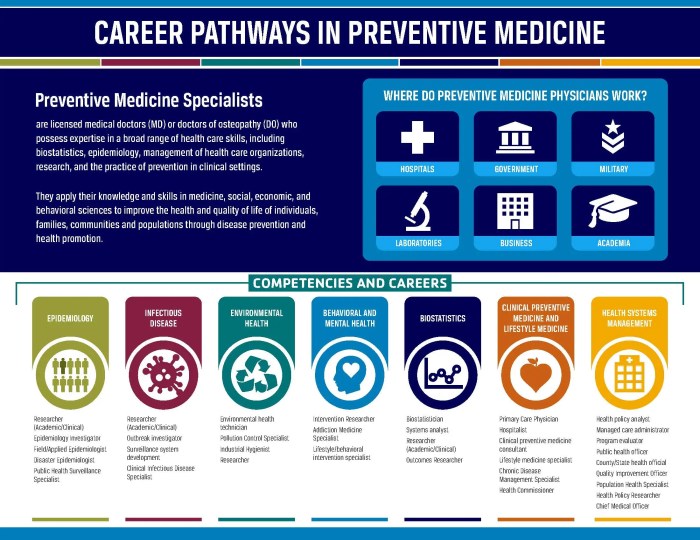
Nutritional counseling plays a crucial role in promoting healthy eating habits by providing individuals with personalized guidance on how to maintain a balanced diet. This form of counseling involves working with a professional who can offer expert advice tailored to an individual’s specific needs and goals.
Benefits of Personalized Nutritional Guidance
- Helps individuals understand their nutritional requirements based on factors like age, gender, and activity level.
- Allows for the creation of customized meal plans that are sustainable and enjoyable.
- Educates individuals on portion control, food choices, and meal timing to optimize their nutrition intake.
- Assists in managing chronic conditions such as diabetes, high blood pressure, and obesity through diet modification.
How Nutritional Counseling Helps Achieve Health Goals
- Provides accountability and support to stay on track with healthy eating habits.
- Encourages long-term behavior change by addressing underlying issues related to food choices and eating patterns.
- Empowers individuals to make informed decisions about their food intake and overall wellness.
- Offers strategies to overcome obstacles and challenges that may hinder progress towards health goals.
Healthy Mind
Maintaining a healthy mind is crucial for overall well-being. Our mental health plays a significant role in how we think, feel, and act on a daily basis. It affects our relationships, work performance, and ability to cope with stress. In turn, mental well-being is closely linked to physical health, creating a delicate balance that is essential for a healthy lifestyle.
Strategies for Mental Wellness
- Practice mindfulness and meditation to reduce stress and anxiety levels.
- Engage in regular physical exercise to boost mood and cognitive function.
- Get an adequate amount of sleep to support brain health and emotional stability.
- Cultivate strong social connections and seek support from friends and family.
- Engage in activities that bring joy and fulfillment, such as hobbies and creative pursuits.
Mental Health and Physical Well-being
- Chronic stress and untreated mental health conditions can lead to physical health issues such as high blood pressure, heart disease, and weakened immune system.
- Poor physical health, such as chronic pain or illness, can also take a toll on mental well-being, leading to depression and anxiety.
- It is essential to address both mental and physical health concerns simultaneously to achieve overall wellness.
Answers to Common Questions
How can preventive medicine benefit overall health?
Preventive medicine helps in identifying risk factors early on and taking proactive steps to prevent diseases before they develop.
What is the role of health education in preventive medicine?
Health education empowers individuals with knowledge to make informed decisions about their health, leading to healthier lifestyle choices.
How can I incorporate preventive measures into my daily routine?
You can start by adopting healthy habits such as regular exercise, balanced nutrition, and scheduling routine health checkups.
What are some examples of successful wellness programs?
Corporate wellness initiatives, community fitness programs, and school-based health education programs are some successful examples.
How does mental strength impact overall well-being?
Mental strength plays a vital role in coping with stress, enhancing resilience, and maintaining emotional balance, all of which contribute to overall well-being.


More Stories
Importance of womens health checkups: Ensuring Well-being Through Regular Screenings
Wellness programs for senior citizens: Promoting Healthy Aging through Comprehensive Programs