Healthy Snacks
Snacking plays a crucial role in an athlete’s diet as it helps maintain energy levels during training sessions. Choosing nutritious snacks can provide the necessary fuel to optimize performance and recovery.
Pre-Workout Snacks
- Whole grain toast with almond butter
- Greek yogurt with berries
- Banana with a handful of nuts
Post-Workout Snacks
- Protein smoothie with spinach and fruits
- Apple slices with peanut butter
- Cottage cheese with pineapple chunks
Wellness Programs
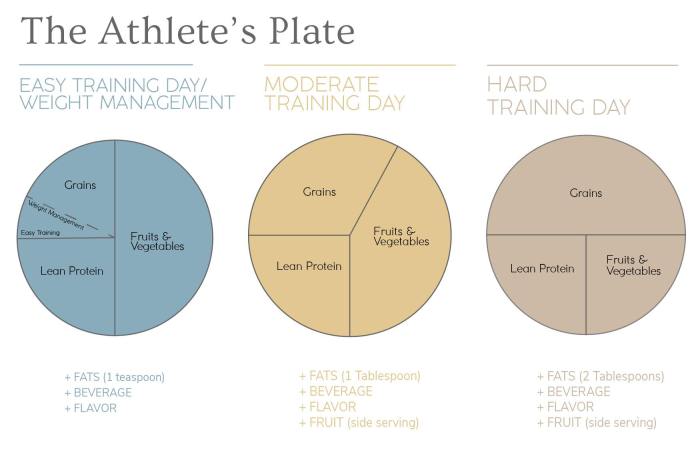
Weight management for athletes – Wellness programs play a crucial role in supporting athletes’ overall health by focusing on various aspects such as physical, mental, and emotional well-being. These programs are designed to enhance performance, prevent injuries, improve recovery, and promote a balanced lifestyle.
Types of Wellness Programs for Athletes
- Physical Therapy and Rehabilitation: Programs that focus on injury prevention, rehabilitation, and recovery to ensure athletes maintain peak physical condition.
- Nutrition Counseling: Tailored nutrition plans and guidance to optimize performance, fuel recovery, and maintain overall health.
- Mental Health Support: Counseling services, stress management techniques, and mindfulness practices to support athletes’ mental well-being.
- Performance Coaching: Programs that enhance skills, focus, motivation, and goal-setting strategies for improved athletic performance.
Success Stories
Many athletes have benefited significantly from wellness programs tailored to their specific needs. For example, a professional basketball player credits a nutrition counseling program for helping him improve his energy levels, reduce recovery time, and enhance his overall performance on the court. Another success story involves a marathon runner who utilized a physical therapy and rehabilitation program to recover from a serious injury and successfully return to competitive running.
Physical Therapy
Physical therapy plays a crucial role in the overall well-being of athletes, especially when it comes to injury prevention and performance enhancement. By incorporating physical therapy into their training regimen, athletes can experience a multitude of benefits that contribute to their success on and off the field.
Injury Prevention
Physical therapy helps athletes prevent injuries by focusing on strengthening weak areas, improving flexibility, and correcting imbalances in the body. Through targeted exercises and stretches, physical therapists can address potential problem areas before they lead to serious injuries, allowing athletes to stay in top shape and perform at their best.
Benefits of Physical Therapy
- Enhanced flexibility and range of motion
- Improved muscle strength and endurance
- Reduced risk of injuries
- Faster recovery from workouts
- Customized treatment plans tailored to individual needs
Physical Therapy Techniques for Performance Improvement
- Manual Therapy: Hands-on techniques like massage and joint mobilization can help improve circulation, reduce muscle tension, and enhance flexibility.
- Therapeutic Exercises: Targeted exercises designed to strengthen specific muscle groups, improve coordination, and enhance overall performance.
- Ergonomic Training: Teaching athletes proper body mechanics and movement patterns to prevent injuries and optimize performance.
- Modalities: The use of modalities such as ultrasound, electrical stimulation, and heat/cold therapy to reduce pain, inflammation, and promote healing.
Health Coaching
Health coaches play a vital role in guiding athletes towards optimal health by providing personalized support, education, and motivation to help them make positive lifestyle changes. These professionals work closely with athletes to identify their health goals, create action plans, and offer ongoing accountability and encouragement throughout their wellness journey.
Tips for Enhancing Athlete’s Well-being through Health Coaching
- Encourage athletes to set specific, achievable health goals to stay motivated and track progress.
- Provide education on nutrition, exercise, stress management, and other key factors that impact overall well-being.
- Offer emotional support and encouragement to help athletes overcome challenges and stay focused on their health goals.
- Promote a holistic approach to health by addressing physical, mental, and emotional well-being.
Impact of Health Coaching on Achieving Fitness Goals
- Health coaching can help athletes stay accountable and committed to their fitness goals by providing continuous support and guidance.
- By working with a health coach, athletes can develop sustainable habits and behaviors that contribute to long-term success in achieving fitness goals.
- Health coaching can improve athletes’ overall well-being, leading to enhanced performance, faster recovery, and reduced risk of injury.
Medical Advancements
Medical technology has made significant advancements in recent years, particularly in the field of athlete health management. These innovations have revolutionized the way injuries are diagnosed and treated, leading to better outcomes for athletes around the world.
Cutting-Edge Medical Technologies in Sports Medicine
- Advanced Imaging Techniques: Technologies like MRI, CT scans, and ultrasound have greatly improved the accuracy and speed of diagnosing sports injuries, allowing for more targeted treatment plans.
- Regenerative Medicine: Treatments such as platelet-rich plasma (PRP) therapy and stem cell injections are being used to accelerate the healing process and promote tissue regeneration in injured athletes.
- Biomechanical Analysis: High-tech motion capture systems and force plates are utilized to analyze an athlete’s movement patterns, helping to prevent injuries and optimize performance.
- Telemedicine: Remote consultations and monitoring have become more common, enabling athletes to receive expert medical advice and guidance without the need for in-person visits.
Fitness Goals

Setting fitness goals is crucial for athletes to track their progress and stay motivated. By establishing realistic and achievable goals, athletes can improve their athletic performance and overall well-being.
Importance of Goal Setting
- Goal setting provides athletes with a clear direction and focus, helping them prioritize their training and activities.
- Setting specific and measurable goals allows athletes to track their progress and make adjustments to their training routines accordingly.
- Having well-defined goals can increase motivation and commitment, pushing athletes to push themselves harder and achieve better results.
Strategies for Staying Motivated
- Break down long-term goals into smaller, manageable milestones to celebrate achievements along the way.
- Stay accountable by sharing goals with a coach, teammate, or training partner to receive support and encouragement.
- Visualize success and remind yourself of the reasons behind your goals to stay focused and motivated during challenging times.
- Track progress regularly through performance metrics, fitness tests, or training logs to monitor improvements and stay motivated.
Balanced Nutrition
Proper nutrition is essential for athletes to perform at their best and recover effectively. A well-rounded diet that includes a balance of macronutrients and micronutrients is crucial for maintaining overall health and supporting athletic endeavors.
Essential Nutrients for Athletes
Athletes require a variety of nutrients to fuel their performance and aid in recovery. Here is a breakdown of essential nutrients for optimal athletic performance:
- Protein: Necessary for muscle repair and growth. Good sources include lean meats, poultry, fish, dairy, and plant-based sources like legumes and tofu.
- Carbohydrates: Provide energy for workouts and replenish glycogen stores. Opt for complex carbohydrates like whole grains, fruits, and vegetables.
- Fats: Important for hormone production and overall health. Include healthy fats from sources like nuts, seeds, avocados, and olive oil.
- Vitamins and Minerals: Support various bodily functions and help with energy production. Ensure a diverse intake of fruits, vegetables, nuts, and seeds for a wide range of nutrients.
- Hydration: Water is essential for maintaining performance and preventing dehydration. Drink an adequate amount of water throughout the day, especially before, during, and after exercise.
Tips for Maintaining a Well-Rounded Diet
Maintaining a balanced diet as an athlete can be achieved by following these tips:
- Plan Ahead: Prepare meals and snacks in advance to ensure you have nutritious options readily available.
- Eat Regularly: Fuel your body consistently throughout the day to maintain energy levels and support recovery.
- Include Variety: Incorporate a wide range of foods to ensure you receive all essential nutrients for optimal performance.
- Listen to Your Body: Pay attention to hunger cues and adjust your intake based on training intensity and volume.
- Consult a Professional: Work with a registered dietitian or nutritionist to develop a personalized nutrition plan that meets your athletic needs.
Mental Strength
Mental strength plays a crucial role in the success of athletes, as it helps them stay focused, resilient, and motivated to achieve their goals. It is the ability to stay calm under pressure, maintain confidence in challenging situations, and overcome obstacles both on and off the field.
Techniques for Improving Mental Resilience and Focus
- Practice mindfulness and meditation to enhance concentration and reduce stress.
- Visualize success and positive outcomes to boost confidence and motivation.
- Set realistic goals and break them down into smaller, manageable tasks to stay on track.
- Develop a pre-game routine to help get into the right mindset before competitions.
- Seek support from a sports psychologist or mental coach to work on mental skills and strategies.
Role of Mental Strength Training
Mental strength training complements physical training by preparing athletes to cope with the mental demands of their sport. It helps them develop coping mechanisms, build resilience to setbacks, and maintain focus during high-pressure situations. By incorporating mental training into their routine, athletes can optimize their performance and achieve their full potential.
Yoga Practice
Yoga is a valuable addition to an athlete’s training routine, offering a wide range of benefits that enhance performance both physically and mentally. Incorporating yoga can improve flexibility, strength, and mental clarity, providing athletes with a well-rounded approach to their overall wellness.
Benefits of Yoga for Athletes
Yoga helps athletes improve their flexibility, allowing for a greater range of motion in their movements. This increased flexibility can help reduce the risk of injuries during training and competition. Additionally, yoga strengthens muscles throughout the body, providing better support and stability during physical activities. Beyond the physical benefits, yoga also aids in mental clarity and focus, helping athletes stay present and calm in high-pressure situations.
Specific Yoga Poses for Athletes
1. Downward-Facing Dog: This pose helps stretch the hamstrings, calves, and shoulders, promoting flexibility and strength in these areas.
2. Warrior II: Warrior II pose targets the legs, hips, and core, enhancing stability and balance for athletes during dynamic movements.
3. Tree Pose: Tree pose improves balance and focus, key components for athletes in various sports requiring coordination and concentration.
Health Education
Health education plays a crucial role in the overall well-being of athletes. It provides them with valuable knowledge and skills to make informed decisions about their health and fitness. By staying informed about the latest health trends and practices, athletes can optimize their performance and prevent injuries.
Importance of Ongoing Health Education
Continual health education ensures that athletes are up to date with the best practices in nutrition, exercise, and injury prevention. It empowers them to take control of their health and make choices that support their athletic goals.
Resources for Reliable Health Information
- Consulting with certified nutritionists and fitness trainers
- Attending workshops and seminars on sports medicine
- Accessing reputable online sources such as sports science journals and websites
- Engaging with health education programs offered by sports organizations
Impact on Overall Well-being, Weight management for athletes
Health education not only enhances athletic performance but also promotes the overall well-being of athletes. By understanding how to fuel their bodies, prevent injuries, and manage stress, athletes can lead healthier and more balanced lives both on and off the field.
Weight Management
Weight management is a crucial aspect for athletes in different sports as it directly impacts their performance, endurance, and overall health. Maintaining the right weight helps athletes optimize their physical abilities and prevent injuries during training and competitions.
Significance of Weight Management for Athletes
Proper weight management is essential for athletes to achieve their peak performance levels. Whether an athlete needs to lose or gain weight, it is important to do so in a healthy and sustainable manner to avoid negative effects on their overall well-being.
- Athletes in sports that require speed and agility, such as track and field or soccer, may benefit from maintaining a lower body weight to enhance their quickness and agility on the field.
- On the other hand, athletes in sports like weightlifting or football may need to gain muscle mass to improve their strength and power during competitions.
- Individualized nutrition and training plans play a key role in helping athletes achieve their weight management goals while ensuring they have the energy and nutrients needed to perform at their best.
Impact of Proper Weight Management on Athletic Performance
Effective weight management can significantly impact an athlete’s performance in various ways. When athletes maintain a healthy weight, they can experience improved endurance, strength, and recovery times, leading to better overall results in their respective sports.
- Optimizing body composition through weight management can enhance an athlete’s power-to-weight ratio, allowing them to move efficiently and effectively in their sport.
- Proper weight management can also reduce the risk of injuries by ensuring that the body is well-supported and able to withstand the demands of training and competition.
- Overall, maintaining an ideal weight through healthy practices enables athletes to reach their full potential and compete at the highest level in their sports.
Health Checkups
Regular health checkups are crucial for athletes to ensure their overall well-being and performance. These routine assessments help in early detection and prevention of potential health issues, allowing athletes to address any concerns proactively.
Common Health Assessments for Athletes
- Blood pressure monitoring: Regular blood pressure checks help in assessing cardiovascular health and identifying any potential risks.
- Blood tests: Checking levels of essential nutrients, such as iron and vitamin D, can help optimize performance and prevent deficiencies.
- Cardiac screening: Electrocardiograms (ECG) and echocardiograms can detect any underlying heart conditions that may impact athletic performance.
- Musculoskeletal assessment: Evaluating muscle strength, flexibility, and joint health can help prevent injuries and optimize training programs.
- Mental health evaluation: Assessing mental well-being is essential for overall performance and can help in managing stress and anxiety.
Skin Health
Maintaining healthy skin is essential for athletes who are constantly exposed to various environments and engaging in rigorous physical activities. Skincare routines play a crucial role in protecting the skin and preventing damage caused by sweat, dirt, and other external factors.
Tips for Healthy Skin
- Avoid wearing makeup during workouts to prevent clogged pores and breakouts.
- Stay hydrated by drinking plenty of water to keep your skin moisturized from within.
- Use sunscreen with a high SPF to protect your skin from harmful UV rays, even on cloudy days.
- Cleanse your skin gently after workouts to remove sweat and bacteria that can lead to breakouts.
- Moisturize regularly to keep your skin hydrated and prevent dryness and irritation.
Skincare Products for Athletes
- Look for lightweight and non-comedogenic products that won’t clog pores or cause breakouts.
- Consider using products with ingredients like hyaluronic acid, vitamin C, and antioxidants to nourish and protect the skin.
- Choose skincare products specifically designed for athletes, such as sweat-resistant sunscreen and cleansing wipes.
- Avoid harsh chemicals and fragrances that can irritate the skin, especially after intense workouts.
Emotional Health: Weight Management For Athletes
Emotional well-being plays a crucial role in an athlete’s overall performance. It can impact their focus, motivation, and ability to handle pressure effectively. Managing stress, anxiety, and other emotional challenges is essential for athletes to perform at their best.
Coping Mechanisms for Athletes
- Practice mindfulness and meditation to stay present and calm under pressure.
- Engage in regular physical activity outside of training to release endorphins and reduce stress.
- Seek support from a sports psychologist or counselor to address any underlying emotional issues.
- Maintain a strong support system of friends, family, and coaches who can provide encouragement and guidance.
- Utilize breathing exercises and visualization techniques to enhance focus and manage anxiety during competitions.
Promoting Emotional Resilience
- Encourage athletes to express their emotions openly and seek help when needed.
- Provide training on coping strategies and emotional regulation techniques to build resilience.
- Cultivate a positive team culture that emphasizes communication, empathy, and mental health awareness.
- Incorporate relaxation techniques such as progressive muscle relaxation or yoga into the training routine.
- Encourage athletes to set realistic goals and celebrate small victories to boost confidence and motivation.
- Focus on the intrinsic benefits of being healthy, such as increased energy levels, improved mood, and overall well-being.
- Set specific, achievable goals that align with your values and personal aspirations, rather than external pressures or expectations.
- Visualize your success and the positive impact of your healthy habits on your performance and overall quality of life.
- Stay accountable by tracking your progress, celebrating small victories, and learning from setbacks to keep moving forward.
- Surround yourself with a supportive community of like-minded individuals who share your health and fitness goals.
- Practice positive self-talk, affirmations, and visualization to boost your confidence and maintain a positive mindset.
- Reduced risk of overuse injuries by engaging different muscle groups
- Improved cardiovascular endurance and strength
- Enhanced flexibility and agility
- Prevention of exercise boredom by adding variety to workouts
- High-intensity interval training (HIIT) for improving cardiovascular fitness and endurance
- Pilates or yoga for enhancing flexibility, core strength, and body awareness
- Rock climbing or obstacle course racing for building upper body strength and mental resilience
- Swimming or cycling for low-impact cardiovascular workouts
- Increased knowledge about their bodies and potential health risks.
- Early detection of any health issues or concerns.
- Improved decision-making regarding training, nutrition, and recovery.
- Enhanced focus on holistic well-being, including physical, mental, and emotional health.
- Regular health screenings and check-ups for athletes.
- Educational workshops and seminars on nutrition, injury prevention, and mental health.
- Integration of health awareness into training programs and team culture.
- Collaboration with healthcare professionals and experts in sports medicine.
- Stay informed about the latest research and trends in sports medicine and nutrition.
- Listen to your body and address any signs of fatigue, pain, or discomfort promptly.
- Seek guidance from qualified professionals, such as nutritionists, trainers, and mental health counselors.
- Create a balanced routine that prioritizes rest, recovery, and self-care.
- Regular physical exams and health screenings to detect any underlying health issues early on.
- Proper warm-up and cool-down routines before and after workouts or competitions to prevent muscle strains and injuries.
- Following a well-rounded strength and conditioning program to improve overall fitness and prevent overuse injuries.
- Ensuring adequate rest and recovery time between intense training sessions to prevent burnout and fatigue.
- Maintaining a balanced diet rich in nutrients to support optimal performance and immune function.
- Customized meal plans based on individual needs and goals.
- Optimized nutrient intake for energy, strength, and endurance.
- Enhanced recovery through targeted post-workout nutrition.
- Improved performance and focus during training and competitions.
- Team of registered dietitians and nutritionists working closely with athletes to develop personalized meal plans.
- Regular assessments and adjustments to nutrition plans based on training intensity and performance goals.
- Educational workshops and resources on proper nutrition for optimal athletic performance.
- Integration of technology, such as food tracking apps, to monitor nutrient intake and make informed dietary choices.
- Practice deep breathing exercises to calm the mind and reduce stress before competitions.
- Engage in visualization techniques to mentally rehearse success and boost confidence.
- Implement meditation sessions to increase self-awareness and enhance mental clarity.
- Utilize positive affirmations to cultivate a strong belief in one’s abilities and potential.
- Participate in yoga sessions to improve flexibility, strength, and mental resilience.
Health Motivation
Maintaining a healthy lifestyle as an athlete requires consistent motivation to stay on track towards your goals. Setting intrinsic motivators can be key to sustaining long-term health habits and achieving success in your fitness journey. Let’s explore some effective strategies and techniques used by successful athletes to stay motivated and focused on their health and wellness.
Setting Intrinsic Motivators
Motivational Techniques
Physical Activities
Regular physical activity is essential for athletes to maintain peak performance and overall health. In addition to their specific sport training, exploring a diverse range of physical activities can provide numerous benefits such as improved fitness levels and injury prevention.
Cross-Training Benefits
Cross-training involves incorporating different types of exercises or activities into an athlete’s routine to enhance overall physical fitness. Some benefits of cross-training include:
Innovative Physical Activities
In addition to traditional training methods, athletes can benefit from exploring innovative physical activities or sports that complement their primary training. Some examples include:
Health Awareness
Health awareness is crucial for athletes as it helps them understand and prioritize their well-being, leading to better performance and overall quality of life. By being proactive in maintaining their health, athletes can prevent injuries, improve recovery times, and enhance their athletic potential.
Importance of Health Awareness for Athletes
Initiatives Promoting Health Awareness
Tips for Athletes to Maintain Health Awareness
Preventive Medicine
Preventive medicine plays a crucial role in maintaining the health and well-being of athletes. By focusing on preventive measures, athletes can reduce the risk of injuries and illnesses, ultimately enhancing their performance and longevity in their respective sports.
Preventive Measures for Athletes
Impact on Athletic Longevity
Preventive medicine not only helps athletes stay healthy and injury-free in the present but also has a significant impact on their long-term athletic longevity. By taking proactive measures to address potential health risks and maintain overall well-being, athletes can prolong their careers and continue to excel in their chosen sports for years to come.
Nutritional Counseling
Nutritional counseling plays a crucial role in optimizing an athlete’s diet by providing personalized guidance on nutrition intake to enhance performance, support recovery, and maintain overall health. Through tailored nutrition plans, athletes can achieve their fitness goals, improve endurance, and prevent injuries.
Benefits of Personalized Nutrition Plans for Athletes
Successful Nutritional Counseling Programs for Athletes
Healthy Mind
Maintaining a healthy mind is crucial for athletes as it directly impacts their physical performance. A positive mindset can enhance focus, motivation, and overall well-being, leading to improved athletic results.
Mindfulness Practices for Athletes
Essential Questionnaire
How can athletes maintain a healthy weight?
Athletes can maintain a healthy weight by following a balanced diet, engaging in regular physical activity, and monitoring their calorie intake to match their energy expenditure.
Is weight management different for endurance athletes compared to strength athletes?
Yes, the approach to weight management may vary based on the specific requirements of the sport. Endurance athletes may focus more on fueling for long-lasting energy, while strength athletes may emphasize muscle gain and recovery.
Are there specific weight management techniques for athletes during competition season?
Athletes during competition season should pay close attention to their nutrition, hydration, and recovery strategies to maintain their weight effectively while sustaining peak performance levels.


More Stories