Mental Strength
Mental strength and emotional intelligence – Having mental strength is crucial for overall well-being as it allows individuals to navigate through life’s challenges with resilience and determination.
Importance of Mental Strength
Mental strength enables individuals to:
- Stay focused and motivated during difficult times.
- Manage stress and anxiety effectively.
- Overcome setbacks and failures with a positive mindset.
- Build self-confidence and belief in their abilities.
Examples of Mental Strength
Individuals with mental strength can:
- Face their fears and step out of their comfort zones to achieve personal growth.
- Handle criticism and feedback constructively to improve themselves.
- Stay calm and composed in high-pressure situations to make rational decisions.
Strategies for Improving Mental Strength
Ways to enhance mental strength include:
- Practicing mindfulness and meditation to cultivate a positive mindset.
- Setting realistic goals and breaking them down into manageable steps.
- Seeking support from friends, family, or a professional counselor when needed.
Real-life Stories of Mental Resilience
There are countless stories of individuals displaying mental resilience such as:
- Survivors of natural disasters who rebuild their lives with determination and hope.
- Athletes who bounce back from injuries to achieve greatness in their sports.
- Entrepreneurs who face multiple failures before achieving success through perseverance.
Emotional Intelligence
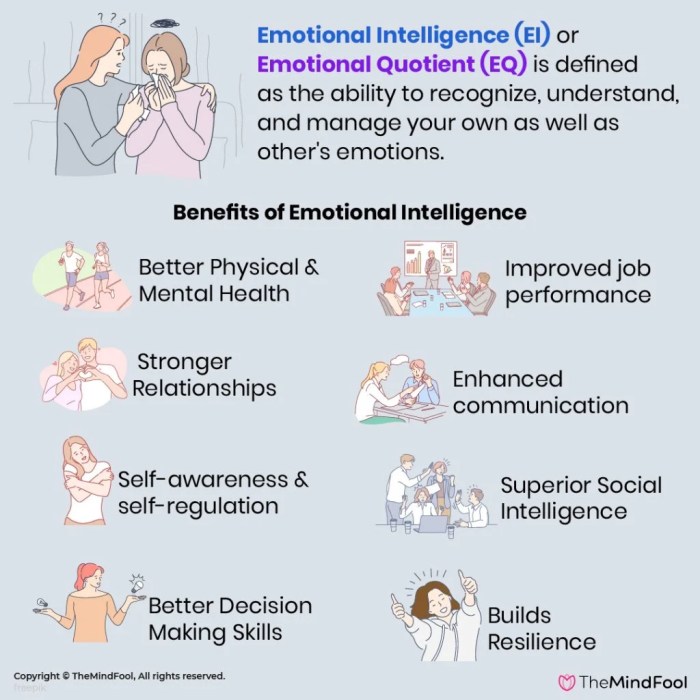
Emotional intelligence refers to the ability to understand, manage, and express one’s own emotions effectively, as well as the capacity to empathize and communicate with others in a constructive manner. It plays a crucial role in personal growth by enhancing self-awareness, self-regulation, motivation, empathy, and social skills.
Comparison with Intellectual Intelligence
Emotional intelligence differs from intellectual intelligence, which primarily involves cognitive abilities such as problem-solving, critical thinking, and logical reasoning. While intellectual intelligence is essential for academic and professional success, emotional intelligence is equally important for building strong relationships, making sound decisions, and navigating social situations effectively.
- Intellectual intelligence focuses on cognitive abilities, while emotional intelligence centers around emotional awareness and interpersonal skills.
- Intellectual intelligence is often measured by IQ tests, whereas emotional intelligence is assessed through emotional intelligence tests.
- Both types of intelligence are valuable, but emotional intelligence is particularly critical for success in leadership roles and interpersonal relationships.
Enhancing Emotional Intelligence
To enhance emotional intelligence in daily life, consider the following tips:
- Practice active listening to understand others’ perspectives and emotions better.
- Develop self-awareness by reflecting on your thoughts, feelings, and behaviors regularly.
- Manage stress effectively through relaxation techniques like deep breathing or mindfulness.
- Cultivate empathy by putting yourself in someone else’s shoes and considering their feelings.
- Improve communication skills by expressing your thoughts and emotions clearly and respectfully.
Impact on Relationships and Decision-Making
Emotional intelligence significantly influences relationships and decision-making processes. Individuals with high emotional intelligence are better equipped to:
“Build strong connections with others, resolve conflicts peacefully, and make decisions that consider both logical reasoning and emotional aspects.”
Moreover, emotional intelligence enables individuals to navigate complex social dynamics, regulate their emotions effectively, and respond empathetically to others’ feelings, fostering healthier relationships and more informed decision-making.
Healthy Snacks
When it comes to boosting energy and focus, choosing nutritious snacks is key. Not only do they provide the necessary fuel for your body and brain, but they also help maintain stable blood sugar levels throughout the day.
It’s important to opt for healthy snacks over processed ones, as the latter are often loaded with added sugars, unhealthy fats, and empty calories. By choosing whole, nutrient-dense foods, you can support your overall health and well-being.
Nutritious Snack Options
- Raw nuts and seeds
- Fresh fruits and vegetables
- Greek yogurt with berries
- Homemade trail mix with dried fruits and nuts
- Rice cakes with almond butter
Quick and Easy Recipes
Looking for some homemade healthy snack ideas? Try making:
- Energy balls with oats, nut butter, and honey
- Veggie sticks with hummus
- Baked kale chips with olive oil and sea salt
- Chia seed pudding with almond milk
Benefits of Healthy Snacks
Incorporating healthy snacks into a balanced diet can have numerous benefits, such as:
- Improved focus and concentration
- Sustained energy levels throughout the day
- Weight management and satiety
- Support for overall health and well-being
Wellness Programs
Wellness programs are becoming increasingly popular in workplaces as companies recognize the importance of promoting employee health and well-being. These programs encompass a variety of initiatives aimed at improving physical, mental, and emotional health.
Types of Wellness Programs
- Physical Fitness Programs: These programs focus on promoting regular exercise and physical activity among employees through gym memberships, fitness classes, or on-site workout facilities.
- Mental Health Support: Programs that provide resources for stress management, mindfulness training, and access to mental health professionals for counseling and support.
- Nutrition and Healthy Eating: Initiatives that offer guidance on balanced diets, healthy eating habits, and access to nutritious snacks in the workplace.
- Work-Life Balance: Programs that promote flexible work schedules, remote work options, and activities to reduce burnout and improve overall well-being.
Effectiveness of Workplace Wellness Programs
Research has shown that workplace wellness programs can lead to improved employee health, increased productivity, and reduced healthcare costs for companies. Employees who participate in these programs often report lower stress levels, better work-life balance, and increased job satisfaction.
Success Stories
“Since joining the company’s wellness program, I have seen a significant improvement in my overall health. I have more energy, feel less stressed, and have even lost weight by following the nutrition guidelines provided.”
Tips for Creating a Personalized Wellness Program
- Assess Your Needs: Identify areas of improvement in your physical, mental, and emotional well-being.
- Set Realistic Goals: Establish achievable objectives for your wellness journey to stay motivated and track progress.
- Seek Professional Guidance: Consult with healthcare professionals, nutritionists, or fitness trainers for personalized advice and support.
- Stay Consistent: Incorporate healthy habits into your daily routine and prioritize self-care to maintain overall wellness.
Physical Therapy
Physical therapy plays a crucial role in rehabilitation and injury prevention by focusing on restoring movement, reducing pain, and improving overall function. It involves a variety of techniques such as exercise, manual therapy, and modalities to help individuals recover from injuries or surgeries.
Benefits of Physical Therapy in Fitness Routine
- Improves flexibility and range of motion
- Strengthens muscles to support joints and prevent injuries
- Enhances overall physical performance and endurance
- Aids in proper body alignment and posture
- Assists in faster recovery after strenuous workouts
Common Misconceptions about Physical Therapy
-
Physical therapy is only for post-injury recovery
– Physical therapy can also be beneficial for injury prevention and enhancing athletic performance.
-
Physical therapy is painful
– While some discomfort may be experienced during certain exercises, physical therapists work to ensure that the treatment is tailored to each individual’s comfort level.
-
Physical therapy is only for older adults
– Physical therapy is suitable for individuals of all ages and fitness levels, addressing a wide range of musculoskeletal issues.
Finding the Right Physical Therapist
- Seek recommendations from healthcare providers or fitness professionals
- Research the therapist’s credentials, experience, and areas of specialization
- Consider the location and convenience of the therapy clinic
- Schedule a consultation to discuss goals, treatment plans, and expectations
- Ensure good communication and a comfortable rapport with the therapist
Health Coaching
Health coaching involves guiding individuals towards healthier lifestyles by providing support, motivation, and accountability.
Role of a Health Coach
A health coach helps individuals set realistic goals, develop personalized action plans, and make sustainable lifestyle changes to improve their overall health and well-being.
Benefits of Working with a Health Coach
- Personalized guidance and support tailored to individual needs
- Accountability and motivation to stay on track with fitness goals
- Educational resources and tools to make informed decisions about health
- Improved adherence to healthy habits and long-term behavior change
Key Qualities of a Competent Health Coach
- Excellent communication skills to build rapport and trust with clients
- Empathy and understanding to address individual challenges and barriers
- Knowledge of nutrition, fitness, and behavior change strategies
- Ability to create realistic and achievable goals for clients
Improving Overall Well-being through Health Coaching
Health coaching can lead to positive outcomes such as weight loss, increased physical activity, better nutrition choices, reduced stress levels, and overall improvement in quality of life.
Medical Advancements
Recent advancements in medical technology have revolutionized the way mental health treatments are approached, leading to improved patient outcomes and overall wellness. These breakthroughs have provided new hope for individuals struggling with various mental health conditions.
Advances in Neurostimulation Therapies
Neurostimulation therapies, such as transcranial magnetic stimulation (TMS) and deep brain stimulation (DBS), have shown promising results in treating conditions like depression, anxiety, and PTSD. By targeting specific areas of the brain, these treatments help regulate neural activity and improve symptoms.
Precision Medicine in Psychiatry
Advancements in precision medicine have allowed healthcare providers to tailor treatments based on an individual’s genetic makeup, lifestyle, and environmental factors. This personalized approach has led to more effective and efficient treatment plans for mental health disorders.
Virtual Reality Therapy
Virtual reality therapy is emerging as a novel treatment method for mental health conditions, such as phobias, PTSD, and addiction. By immersing patients in simulated environments, this technology helps individuals confront and overcome their fears in a controlled setting.
Future of Mental Health Treatment
Looking ahead, upcoming medical advancements in the field of wellness include the integration of artificial intelligence (AI) and machine learning algorithms to enhance diagnostic accuracy and treatment outcomes. These technologies hold the potential to revolutionize mental healthcare and provide more accessible and personalized treatment options for individuals worldwide.
Fitness Goals
Setting realistic fitness goals is crucial for long-term success in maintaining a healthy lifestyle. These goals provide direction, motivation, and a sense of accomplishment as you progress on your fitness journey. Here are some tips on how to stay motivated while working towards your fitness goals and examples of measurable goals for different fitness levels.
Importance of Setting Realistic Goals
Setting realistic fitness goals helps you stay focused and committed to your fitness routine. It allows you to track your progress, celebrate small victories, and make adjustments as needed to reach your ultimate goal. By setting achievable goals, you are more likely to stay motivated and avoid burnout or frustration.
- Start with small, achievable goals: Instead of aiming to lose 20 pounds in a month, set a goal to lose 1-2 pounds per week. This gradual approach is more sustainable and realistic.
- Focus on behavior-based goals: Instead of only focusing on the outcome, such as weight loss or muscle gain, set goals related to your daily habits and routines. For example, aim to exercise for at least 30 minutes every day or eat a serving of vegetables with every meal.
- Track your progress: Keep a fitness journal or use a fitness app to track your workouts, nutrition, and progress towards your goals. Seeing how far you’ve come can be a great motivator to keep going.
Examples of Measurable Fitness Goals
- Beginner: Complete a 30-minute workout three times a week for a month.
- Intermediate: Run a 5k race in under 30 minutes within three months.
- Advanced: Increase your deadlift weight by 20% within six months.
Role of Goal-Setting in Maintaining a Healthy Lifestyle
Goal-setting is not just about achieving a specific fitness target; it’s about creating sustainable habits that contribute to a healthy lifestyle. By setting goals, you are establishing a roadmap for success and building the foundation for long-term health and well-being.
Remember, fitness goals should be personal, realistic, and adaptable to your individual needs and preferences. Stay committed, stay motivated, and celebrate every step you take towards a healthier and happier you.
Balanced Nutrition
Balanced nutrition plays a crucial role in maintaining overall health and well-being. It involves consuming a variety of foods in the right proportions to provide the necessary nutrients for the body to function optimally.
Essential Nutrients for a Well-Balanced Diet
- Proteins: Essential for muscle repair and growth, found in sources like meat, fish, dairy, and plant-based foods like beans and nuts.
- Carbohydrates: Provide energy for the body, found in foods like whole grains, fruits, and vegetables.
- Fats: Important for energy storage and hormone production, found in sources like avocados, nuts, and olive oil.
- Vitamins and Minerals: Play various roles in the body, obtained from fruits, vegetables, dairy, and whole grains.
- Water: Vital for hydration and various bodily functions, found in beverages and water-rich foods.
Meal Planning Tips for Achieving Balanced Nutrition
- Include a variety of foods in your meals to ensure you are getting a wide range of nutrients.
- Focus on whole, unprocessed foods like fruits, vegetables, whole grains, lean proteins, and healthy fats.
- Plan your meals ahead of time to avoid impulsive eating choices and ensure balanced nutrition throughout the day.
- Stay hydrated by drinking an adequate amount of water and limit sugary beverages.
Benefits of Maintaining a Balanced Diet
“A balanced diet leads to improved overall health, increased energy levels, better cognitive function, and reduced risk of chronic diseases.”
Maintaining a balanced diet not only supports physical health but also plays a significant role in mental well-being. By providing the body with the necessary nutrients, a balanced diet can enhance mood, reduce stress, and improve overall cognitive function.
Yoga Practice
Yoga is a powerful practice that has been known to benefit both the mind and body. Incorporating yoga into daily routines can have a positive impact on mental and physical well-being.
Mental and Physical Benefits of Yoga
- Improves flexibility, strength, and balance.
- Reduces stress, anxiety, and depression.
- Enhances focus, concentration, and mindfulness.
- Promotes better sleep and overall relaxation.
Beginner-Friendly Yoga Poses for Stress Relief
- Child’s Pose: Helps to calm the mind and relieve tension in the back.
- Cat-Cow Stretch: Promotes spinal flexibility and releases stress from the back.
- Legs Up the Wall: A restorative pose that relaxes the body and mind.
Spiritual Aspect of Yoga Practice
Yoga is not just a physical exercise but a spiritual practice that aims to unite the mind, body, and soul.
Yoga can help individuals connect with their inner selves, cultivate self-awareness, and find peace within.
Finding the Right Yoga Style
- Hatha Yoga: Focuses on basic poses and breathing techniques, perfect for beginners.
- Vinyasa Yoga: Involves flowing sequences and breath synchronization, ideal for those seeking a more dynamic practice.
- Yin Yoga: A slow-paced style that targets connective tissues and promotes deep relaxation.
Health Education
Health education plays a crucial role in preventing diseases and promoting overall well-being. By equipping individuals with the knowledge and skills to make informed decisions about their health, we empower them to take control of their well-being and lead healthier lives.
Importance of Health Education
- Health education helps raise awareness about the importance of preventive care, early detection of diseases, and healthy lifestyle choices.
- It provides individuals with the tools to understand their own health needs and advocate for themselves in healthcare settings.
- By promoting health literacy, education empowers individuals to navigate the complex healthcare system and make informed decisions about their treatment options.
Resources for Staying Informed
- Stay updated on current health trends and developments by following reputable sources such as the World Health Organization (WHO), Centers for Disease Control and Prevention (CDC), and reputable medical journals.
- Join online health communities and forums to engage with experts, share resources, and stay informed about the latest research in the field of health and wellness.
- Attend seminars, workshops, and webinars on various health topics to expand your knowledge and stay abreast of new developments in the healthcare industry.
Tips for Educating Others
- Lead by example by prioritizing your own health and wellness, inspiring others to follow suit.
- Use social media platforms to share informative posts, articles, and resources on health-related topics to educate your network.
- Organize health education events in your community, workplace, or school to raise awareness and promote healthy behaviors among others.
Empowering Individuals
- Health education empowers individuals to make informed decisions about their health, leading to better outcomes and improved quality of life.
- By providing individuals with the knowledge and skills to take charge of their well-being, health education fosters a sense of empowerment and autonomy in managing their health.
- Through education, individuals can better understand the impact of their lifestyle choices on their health and make positive changes to enhance their overall well-being.
Weight Management
Maintaining a healthy weight is essential for overall well-being. It not only helps prevent various health issues but also boosts confidence and energy levels. Let’s explore the factors that contribute to weight management and healthy weight loss.
Factors Contributing to Weight Management
- Caloric Intake: Consuming a balanced diet with the right amount of calories is crucial for weight management.
- Physical Activity: Regular exercise helps burn calories and maintain a healthy metabolism.
- Hydration: Drinking an adequate amount of water can aid in weight loss by promoting a feeling of fullness.
- Sleep: Quality sleep is important for regulating hormones that control appetite and metabolism.
Sustainable Approaches to Weight Management
- Focus on whole foods: Incorporate fruits, vegetables, lean proteins, and whole grains into your diet.
- Avoid restrictive diets: Instead of quick fixes, opt for long-term lifestyle changes that are sustainable.
- Practice mindful eating: Pay attention to hunger cues and eat slowly to prevent overeating.
Success Stories
“After adopting a balanced diet and regular exercise routine, Sarah lost 30 pounds and has maintained her weight for over a year.”
Tips for Maintaining a Healthy Weight
- Stay active: Incorporate physical activity into your daily routine to help manage weight.
- Monitor portion sizes: Be mindful of portion control to prevent overeating.
- Seek support: Surround yourself with a supportive network to stay motivated on your weight management journey.
Health Checkups
Regular health checkups play a crucial role in maintaining overall well-being by allowing early detection of potential health issues. These preventive screenings can help in identifying problems before they become serious, enabling timely intervention and treatment.
Key Screenings and Tests
- For Children and Adolescents: Regular pediatric checkups including growth monitoring, vaccinations, and vision/hearing tests.
- For Adults: Blood pressure, cholesterol, blood sugar, and cancer screenings based on individual risk factors.
- For Seniors: Bone density tests, colonoscopies, and cognitive screenings to monitor age-related changes.
Tips for Preparation and Expectations
- Before the Checkup: Make a list of current medications, prepare questions for the healthcare provider, and bring any relevant medical records.
- During the Checkup: Be honest about your lifestyle habits, share any concerns or symptoms, and follow the healthcare provider’s instructions for tests.
- After the Checkup: Review results with the provider, follow up on any recommendations, and schedule future appointments as needed.
Role in Preventive Healthcare
Regular health checkups are essential for preventive healthcare as they help in identifying risk factors, monitoring changes in health status, and promoting early intervention. By staying proactive and attending routine screenings, individuals can maintain optimal health and well-being throughout their lives.
Skin Health
Maintaining healthy skin is essential for overall well-being as it serves as a protective barrier against external factors and helps regulate body temperature. Proper skincare not only contributes to physical health but also plays a significant role in mental well-being and self-esteem.
Skincare Tips for Healthy and Radiant Skin
- Stay hydrated by drinking plenty of water throughout the day.
- Cleanse your skin regularly to remove dirt, oil, and impurities.
- Moisturize to keep your skin hydrated and prevent dryness.
- Protect your skin from the sun by using sunscreen daily.
- Eat a balanced diet rich in fruits, vegetables, and healthy fats.
- Avoid smoking and limit alcohol consumption to maintain skin health.
Common Skin Conditions and How to Address Them
- Acne: Keep your skin clean, avoid touching your face, and use non-comedogenic products.
- Eczema: Moisturize regularly, avoid harsh soaps, and identify triggers that worsen symptoms.
- Psoriasis: Use moisturizers, manage stress, and follow medical treatment prescribed by a healthcare provider.
- Rosacea: Protect your skin from triggers like sun exposure, hot beverages, and spicy foods.
Connection Between Skin Health, Mental Well-being, and Self-esteem
Skincare routines can have a positive impact on mental well-being by promoting self-care and boosting self-esteem. Healthy skin often leads to increased confidence and a sense of well-being, highlighting the interconnectedness of physical and mental health.
Emotional Health
Emotional health plays a crucial role in maintaining a balanced lifestyle. It encompasses our ability to manage emotions, build positive relationships, cope with stress, and adapt to changes in life.
Strategies for Improving Emotional Well-being
- Practice self-care routines such as meditation, deep breathing exercises, or journaling to reduce stress levels.
- Engage in activities that bring joy and relaxation, such as hobbies, spending time in nature, or connecting with loved ones.
- Seek professional help from therapists or counselors to address underlying emotional issues and learn healthy coping mechanisms.
Impact of Emotional Health on Physical Health
Emotional health is closely interconnected with physical health. Chronic stress, anxiety, or depression can lead to various physical health problems such as heart disease, weakened immune system, or digestive issues. On the other hand, maintaining good emotional health can boost immunity, improve sleep quality, and enhance overall well-being.
Resources for Seeking Professional Help
- Reach out to mental health hotlines or helplines for immediate support in times of crisis.
- Consult with a primary care physician for referrals to mental health professionals or therapists.
- Explore online therapy platforms or support groups for convenient access to mental health resources.
Health Motivation
Motivation plays a crucial role in achieving health and wellness goals. It is the driving force that keeps us focused and committed to making positive lifestyle changes. Without motivation, it can be challenging to stay on track and overcome obstacles on the journey to better health.
Tips for Staying Motivated
- Set specific, achievable goals: Break down your larger health goals into smaller, manageable steps to track your progress and stay motivated.
- Find a support system: Surround yourself with family, friends, or a community who can encourage and motivate you on your health journey.
- Reward yourself: Celebrate your achievements along the way with non-food rewards to reinforce positive behaviors.
- Stay positive: Focus on the progress you’ve made rather than setbacks, and practice self-compassion during challenging times.
Effective Motivation Techniques
- Visualization: Imagine yourself achieving your health goals and how it will positively impact your life to stay motivated.
- Positive affirmations: Repeat affirming statements to yourself daily to boost your confidence and maintain a positive mindset.
- Routine and consistency: Establish a daily routine that includes healthy habits to create discipline and motivation through consistency.
- Accountability: Share your goals with someone who can hold you accountable and provide encouragement when needed.
Intrinsic vs. External Motivation
Intrinsic motivation comes from within and involves pursuing goals because they are personally rewarding, while external motivation relies on outside factors such as rewards or punishments. Intrinsic motivation is often more sustainable and leads to long-term behavior change compared to external motivation, which may be temporary and less effective in maintaining a healthy lifestyle.
Physical Activities: Mental Strength And Emotional Intelligence
Regular physical activities play a crucial role in maintaining overall health and well-being. Engaging in exercise can improve cardiovascular health, boost mood, increase energy levels, and help manage weight.
Benefits of Regular Physical Activities
- Improves cardiovascular health and reduces the risk of heart disease.
- Enhances mood and reduces symptoms of anxiety and depression.
- Increases energy levels and overall sense of well-being.
- Aids in weight management and promotes healthy body composition.
Fun and Effective Physical Activities, Mental strength and emotional intelligence
- Walking or hiking in nature.
- Dancing to your favorite music.
- Swimming for a full-body workout.
- Cycling for cardiovascular fitness.
Importance of Variety in Physical Activities
It is important to incorporate a variety of physical activities into your routine to prevent boredom, reduce the risk of overuse injuries, and target different muscle groups. Mixing up activities also helps in long-term adherence to an exercise regimen.
Tips for Creating a Sustainable Exercise Routine
- Schedule workouts at a consistent time each day to establish a routine.
- Set realistic goals and track your progress to stay motivated.
- Find activities that you enjoy to make exercise feel less like a chore.
- Listen to your body and rest when needed to prevent burnout.
Health Awareness
Raising awareness about various health issues is crucial in promoting overall well-being and preventing diseases. By educating individuals about the importance of healthy habits, early detection of illnesses, and available resources, we empower them to make informed decisions about their health.
Strategies for Promoting Health Awareness
- Collaborate with local health organizations and professionals to host workshops, seminars, and health fairs in the community.
- Utilize social media platforms to share educational content, success stories, and tips for maintaining a healthy lifestyle.
- Partner with schools, workplaces, and recreational centers to implement wellness programs and health screenings.
- Create engaging campaigns with catchy slogans, visuals, and incentives to attract attention and encourage participation.
Successful Health Awareness Campaigns and Their Impact
- The “Movember” campaign, focusing on men’s health issues, has raised awareness about prostate cancer, testicular cancer, and mental health, leading to increased screenings and support for affected individuals.
- The “Go Red for Women” initiative has shed light on heart disease as the leading cause of death among women, prompting lifestyle changes and preventive measures to reduce risks.
Role of Individuals in Spreading Health Awareness
- Lead by example by adopting healthy habits and sharing personal stories of overcoming health challenges.
- Engage in conversations with family, friends, and coworkers about the importance of regular check-ups, screenings, and mental well-being.
- Advocate for policy changes and community initiatives that promote access to affordable healthcare, nutritious food, and safe environments.
- Participate in charity events, fundraisers, and volunteer programs that support health-related causes and research.
Preventive Medicine
Preventive medicine focuses on preventing diseases before they occur, rather than just treating them after they have already developed. It plays a crucial role in healthcare by promoting overall wellness and reducing the burden of chronic diseases.
Importance of Preventive Medicine
Preventive medicine is essential in healthcare as it helps in early detection of potential health issues, allows for timely interventions, and ultimately saves lives. By emphasizing prevention through healthy lifestyle choices, regular screenings, and vaccinations, individuals can significantly reduce their risk of developing serious illnesses.
- Regular health check-ups: Scheduling routine check-ups with healthcare providers can help in detecting any health issues at an early stage.
- Healthy diet and exercise: Maintaining a balanced diet and engaging in regular physical activity can prevent obesity, heart disease, and other chronic conditions.
- Vaccinations: Staying up-to-date on vaccinations can protect individuals from preventable diseases such as flu, measles, and hepatitis.
Preventive Healthcare Practices for Different Age Groups
Preventive measures vary based on age groups to address specific health needs and risks.
| Children and Adolescents | Adults | Elderly |
|---|---|---|
| Regular pediatric check-ups, vaccinations, and promoting healthy habits. | Screenings for conditions like high blood pressure, cholesterol, and cancer. Encouraging healthy lifestyle choices. | Osteoporosis screenings, fall prevention strategies, and cognitive health assessments. |
Nutritional Counseling
Nutritional counseling plays a crucial role in guiding individuals towards healthier eating habits by providing personalized dietary advice tailored to their specific needs and goals. Through one-on-one consultations, nutritional counselors educate clients on making informed food choices, meal planning, and developing sustainable eating habits.
Benefits of Nutritional Counseling
- Personalized dietary advice based on individual needs and preferences.
- Educational support on nutrition, portion control, and meal planning.
- Assistance in setting realistic and achievable dietary goals.
- Monitoring progress and making necessary adjustments to the nutrition plan.
- Long-term support for maintaining a healthy and balanced diet.
Common Misconceptions about Nutritional Counseling
-
Myth: Nutritional counseling is only for people trying to lose weight.
In reality, nutritional counseling is beneficial for anyone looking to improve their overall health, manage chronic conditions, or enhance athletic performance.
-
Myth: Nutritional counselors only focus on restricting food intake.
Nutritional counseling emphasizes balance, variety, and moderation in food choices, promoting a sustainable approach to healthy eating.
-
Myth: Nutritional counseling is expensive and time-consuming.
Many healthcare providers offer nutritional counseling as part of their services, making it accessible and cost-effective for individuals seeking dietary guidance.
Supporting Overall Health and Wellness
Nutritional counseling can support overall health and wellness by addressing specific nutritional needs, promoting optimal nutrient intake, and preventing or managing chronic diseases through dietary modifications. By working closely with a nutritional counselor, individuals can develop a deeper understanding of how food choices impact their health and well-being, leading to long-lasting positive changes in their lifestyle.
Healthy Mind
Having a healthy mind is crucial for overall well-being as it directly impacts our emotional, psychological, and physical health. A healthy mind allows us to cope with stress, make sound decisions, maintain positive relationships, and achieve our goals effectively.
Mindfulness Techniques for Mental Clarity
- Practice deep breathing exercises to calm the mind and reduce stress levels.
- Engage in meditation to improve focus, enhance self-awareness, and cultivate a sense of inner peace.
- Acknowledge and accept your thoughts and emotions without judgment to develop mindfulness in daily activities.
- Stay present in the moment by engaging fully in tasks and activities, avoiding distractions and multitasking.
Habits Supporting a Healthy Mind
- Get an adequate amount of sleep to rejuvenate the mind and enhance cognitive function.
- Engage in regular physical exercise to boost mood, reduce anxiety, and improve overall mental well-being.
- Cultivate positive relationships and social connections to foster feelings of support and belonging.
- Maintain a healthy diet rich in nutrients to support brain function and mood regulation.
Impact of Mental Health on Physical Health
Mental health and physical health are intricately connected, with one significantly impacting the other. Chronic stress, anxiety, or depression can weaken the immune system, increase inflammation in the body, and contribute to the development of various physical health conditions. On the other hand, taking care of our mental well-being through practices like mindfulness, therapy, and stress management can improve physical health outcomes and overall longevity.
FAQ Overview
How can I improve my mental strength?
To enhance your mental strength, consider practicing mindfulness, setting realistic goals, and seeking support from loved ones or a therapist.
What is the difference between emotional intelligence and intellectual intelligence?
Emotional intelligence focuses on understanding and managing emotions, while intellectual intelligence pertains to cognitive abilities and problem-solving skills.
How can emotional intelligence impact relationships?
Emotional intelligence can improve communication, empathy, and conflict resolution skills, fostering healthier and more harmonious relationships.


More Stories
Health motivation and mental resilience: Boosting well-being through mindset