Healthy Snacks
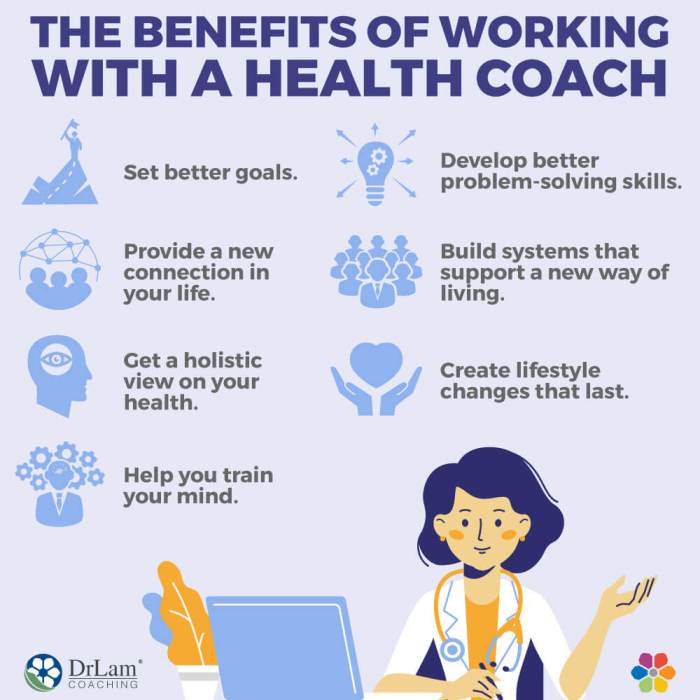
Health coaching and accountability – When it comes to boosting energy levels throughout the day, incorporating nutritious snacks into your daily diet is key. Not only do healthy snacks provide a quick pick-me-up, but they also help maintain stable blood sugar levels and support overall well-being.
Nutritious Snack Examples:
- Almonds: Packed with protein, fiber, and healthy fats, almonds are a satisfying and energizing snack option.
- Greek Yogurt with Berries: This combination offers a good source of protein, probiotics, and antioxidants for a balanced snack.
- Veggies and Hummus: Crunchy vegetables paired with creamy hummus provide fiber, vitamins, and minerals for a nutrient-rich snack.
Homemade vs. Store-bought Snacks:
While store-bought snacks can be convenient, homemade snacks often offer greater control over ingredients and portion sizes. By making snacks at home, you can avoid added sugars, unhealthy fats, and artificial ingredients commonly found in packaged snacks. Additionally, homemade snacks can be customized to suit your taste preferences and dietary needs, making them a healthier choice overall.
Wellness Programs
Wellness programs are designed to promote and support the overall well-being of individuals, whether in a corporate setting or otherwise. These programs typically include a combination of activities, resources, and incentives aimed at improving physical, mental, and emotional health.
Components of a Comprehensive Wellness Program
- Health screenings and assessments to identify potential risk factors and health issues.
- Physical fitness initiatives such as exercise classes, gym memberships, or wellness challenges.
- Nutrition education and healthy eating options in the workplace.
- Mental health support through counseling services or stress management programs.
- Incentives for participation and achieving wellness goals.
Examples of Successful Wellness Programs in Corporate Settings
- Google’s wellness program, which offers on-site fitness centers, healthy food options, and mindfulness classes to employees.
- Johnson & Johnson’s Live for Life program, known for its focus on preventive health measures, including smoking cessation and weight management.
- Salesforce’s Be Well program, which provides employees with access to mental health resources, yoga classes, and financial wellness workshops.
Benefits of Wellness Programs for Employee Morale and Productivity
Wellness programs can have a positive impact on employee morale and productivity by reducing absenteeism, improving job satisfaction, and boosting overall health and well-being. When employees feel supported in their wellness goals, they are more likely to be engaged, motivated, and productive in the workplace.
Physical Therapy
Physical therapy plays a crucial role in helping individuals recover from injuries, manage chronic conditions, and improve overall mobility and function. By using a variety of techniques and exercises, physical therapists work with patients to restore movement, reduce pain, and prevent disability.
Role of Physical Therapy in Rehabilitation and Injury Prevention
Physical therapy is essential in the rehabilitation process as it helps individuals regain strength, flexibility, and range of motion after an injury or surgery. Therapists create personalized treatment plans that may include manual therapy, therapeutic exercises, and modalities such as ultrasound or electrical stimulation to promote healing and recovery. Additionally, physical therapy plays a key role in injury prevention by identifying movement patterns or muscle imbalances that could lead to injuries and prescribing exercises to address these issues before they become more serious.
Common Techniques Used in Physical Therapy Sessions
- Manual Therapy: Hands-on techniques such as massage, joint mobilization, and manipulation to improve mobility and reduce pain.
- Therapeutic Exercises: Customized exercises to strengthen muscles, improve balance, and enhance overall function.
- Modalities: Various treatments like heat, ice, ultrasound, or electrical stimulation to relieve pain and promote healing.
- Functional Training: Activities designed to help individuals perform daily tasks more effectively and safely.
Benefits of Combining Physical Therapy with Other Forms of Treatment
- Comprehensive Care: Combining physical therapy with other treatments like medication, surgery, or chiropractic care can provide a holistic approach to managing injuries or conditions.
- Faster Recovery: By addressing multiple aspects of an injury or condition, patients may experience quicker and more significant improvements in their symptoms and function.
- Long-Term Results: Physical therapy can help individuals develop healthy habits, improve movement patterns, and prevent future injuries or complications, leading to better long-term outcomes.
- Personalized Treatment: Integrating physical therapy with other treatments allows for a tailored approach that considers the individual’s unique needs and goals.
Health Coaching
Health coaching is a personalized approach to helping individuals make positive and sustainable changes to their health and well-being. It involves setting goals, creating action plans, and providing support and guidance to achieve optimal health.
Impact on Lifestyle Changes
Health coaching can have a significant impact on lifestyle changes by fostering self-awareness, promoting healthy habits, and empowering individuals to take control of their health. Coaches provide motivation, accountability, and personalized strategies to help clients reach their health goals.
Tips for Finding a Reliable Health Coach
- Look for certifications and credentials: Ensure that the health coach is certified by a reputable organization and has relevant training in health coaching.
- Experience and specialization: Consider the coach’s experience working with clients similar to you and their expertise in areas that align with your health goals.
- Compatibility and communication: Choose a coach with whom you feel comfortable sharing personal information and who communicates effectively to support your needs.
Importance of Accountability in Health Coaching Relationships
Accountability is crucial in health coaching relationships as it helps clients stay committed to their goals and track their progress effectively. Coaches hold clients accountable for their actions, provide feedback, and adjust strategies as needed to ensure success.
Medical Advancements
Medical advancements have played a crucial role in improving healthcare over the years. These innovations have transformed treatment options, enhanced disease prevention strategies, and ultimately saved countless lives. Let’s explore some recent breakthroughs in medical technology and research.
Advancements in Surgical Techniques
In the field of surgery, advancements in minimally invasive procedures have revolutionized treatment options for patients. Techniques such as robotic-assisted surgery have allowed for more precise and less invasive procedures, resulting in reduced pain, shorter recovery times, and improved outcomes for patients.
Precision Medicine
Precision medicine is another area that has seen significant advancements in recent years. This approach involves tailoring medical treatment to the individual characteristics of each patient, taking into account their genetic makeup, environment, and lifestyle factors. By personalizing treatment plans, healthcare providers can optimize outcomes and minimize side effects.
Artificial Intelligence in Healthcare
The integration of artificial intelligence (AI) in healthcare has also led to remarkable advancements. AI algorithms can analyze vast amounts of medical data to identify patterns, predict outcomes, and assist in diagnosing diseases. This technology has the potential to revolutionize medical decision-making and improve patient care.
Breakthroughs in Disease Prevention
Medical research has made significant strides in disease prevention, with breakthroughs in areas such as immunotherapy, gene editing, and vaccines. For example, the development of mRNA vaccines for COVID-19 has demonstrated the power of innovative technologies in combating infectious diseases and protecting public health.
Fitness Goals
Setting fitness goals is crucial for individuals looking to improve their overall health and wellness. These goals should be realistic, achievable, and tailored to each person’s specific needs and capabilities. By setting realistic fitness goals, individuals can stay motivated and track their progress effectively.
Setting Realistic Fitness Goals
- Consider your current fitness level and any limitations you may have.
- Set specific and measurable goals, such as running a 5K or losing a certain amount of weight.
- Break down larger goals into smaller, more manageable milestones to celebrate progress along the way.
- Consult with a fitness professional to help create a personalized plan that aligns with your goals.
Importance of Tracking Progress
- Tracking progress allows you to see how far you’ve come and stay motivated to continue working towards your goals.
- Use fitness apps, journals, or wearable devices to monitor your workouts, nutrition, and overall progress.
- Adjust your goals as needed based on your progress and any changes in your circumstances.
Tips for Staying Motivated
- Find a workout buddy or join a fitness community for support and accountability.
- Reward yourself for reaching milestones or sticking to your fitness routine.
- Switch up your workouts to prevent boredom and keep things interesting.
- Visualize your end goal and remind yourself of the reasons why you started on this fitness journey.
Balanced Nutrition
Maintaining a balanced diet is crucial for overall health as it provides the necessary nutrients for our body to function properly. A well-balanced meal ensures that we are getting the right combination of carbohydrates, proteins, fats, vitamins, and minerals needed for optimal health.
Examples of Foods for a Well-Balanced Meal, Health coaching and accountability
- Lean proteins such as chicken, fish, tofu, or legumes
- Whole grains like brown rice, quinoa, or whole wheat bread
- Fruits and vegetables for essential vitamins and minerals
- Healthy fats from sources like avocado, nuts, and olive oil
- Dairy or dairy alternatives for calcium and other nutrients
Impact of Proper Nutrition on Energy Levels and Overall Well-being
Proper nutrition plays a significant role in boosting energy levels and overall well-being. When we fuel our bodies with nutritious foods, we provide them with the energy needed to perform daily tasks efficiently. Additionally, a well-balanced diet can help improve mood, mental clarity, and reduce the risk of chronic diseases.
Mental Strength
Building mental resilience and strength is essential for overall well-being. It involves developing coping mechanisms to deal with challenges and stress effectively.
Strategies for Building Mental Resilience
- Practice gratitude daily to shift focus to positive aspects of life.
- Engage in regular physical activity to reduce stress and improve mood.
- Develop a strong support system by connecting with friends and loved ones.
- Set realistic goals and celebrate small victories along the way.
Mindfulness Techniques for Mental Well-being
- Practice deep breathing exercises to calm the mind and reduce anxiety.
- Engage in meditation to improve focus and promote relaxation.
- Stay present in the moment and avoid dwelling on past or future worries.
Connection Between Mental Strength and Overall Health
Mental strength is closely linked to overall health as it influences how we perceive and respond to challenges. A resilient mind can help individuals navigate through difficult situations, maintain emotional balance, and make healthier choices in all aspects of life.
Yoga Practice
Yoga is a powerful practice that offers a wide range of physical and mental benefits. It involves a combination of poses, breathing techniques, and meditation, making it a holistic approach to health and well-being.
Types of Yoga Practices and Their Benefits
- Hatha Yoga: Focuses on physical postures and breathing exercises, promoting balance, flexibility, and relaxation.
- Vinyasa Yoga: Involves flowing sequences of poses linked with breath, improving strength, coordination, and cardiovascular health.
- Ashtanga Yoga: Follows a specific sequence of poses to build strength, endurance, and focus.
- Bikram Yoga: Practiced in a heated room, this type of yoga helps detoxify the body and increase flexibility.
Complementing Other Forms of Exercise
Yoga can complement other forms of exercise by improving flexibility, balance, and strength. It also helps reduce the risk of injury by enhancing body awareness and alignment. Incorporating yoga into your fitness routine can contribute to overall holistic health and well-being.
Health Education
Health education plays a crucial role in disease prevention by empowering individuals with the knowledge and skills needed to make informed decisions about their health. By raising awareness about healthy lifestyle choices, disease risk factors, and preventive measures, health education can help reduce the incidence of various health conditions.
Importance of Health Education in Disease Prevention
- Health education helps individuals understand the importance of maintaining a balanced diet, engaging in regular physical activity, and avoiding harmful habits such as smoking and excessive alcohol consumption.
- By promoting early detection and timely treatment of diseases, health education can improve health outcomes and reduce the burden on healthcare systems.
- Education about vaccination, hygiene practices, and safe sex can help prevent the spread of infectious diseases and reduce the risk of outbreaks.
Examples of Effective Health Education Programs
- The “5-A-Day” program encourages people to consume at least five servings of fruits and vegetables daily, promoting a diet rich in essential nutrients and antioxidants.
- School-based initiatives that educate children about the importance of physical activity, healthy eating, and stress management have been successful in instilling lifelong healthy habits.
- Community workshops on topics such as diabetes management, heart health, and mental well-being provide individuals with practical knowledge and resources to take control of their health.
Role of Health Educators in Promoting Wellness in Communities
- Health educators play a key role in designing and implementing health education programs tailored to the specific needs of diverse populations.
- They work collaboratively with healthcare providers, policymakers, and community organizations to address health disparities and promote health equity.
- Through advocacy, outreach, and education, health educators empower individuals to make positive lifestyle changes and advocate for healthier environments.
Weight Management
Managing weight is crucial for overall health and well-being. Here are some tips to achieve and maintain a healthy weight, understand the impact of weight management on your health, and strategies to overcome challenges.
Tips for Achieving and Maintaining a Healthy Weight
- Aim for a balanced diet that includes a variety of fruits, vegetables, whole grains, lean proteins, and healthy fats.
- Stay hydrated by drinking plenty of water throughout the day.
- Engage in regular physical activity to burn calories and improve metabolism.
- Avoid crash diets and focus on sustainable lifestyle changes for long-term success.
- Monitor your portion sizes and practice mindful eating to prevent overeating.
Impact of Weight Management on Overall Health
- Maintaining a healthy weight can reduce the risk of chronic diseases such as diabetes, heart disease, and certain types of cancer.
- Weight management can improve energy levels, mood, and overall quality of life.
- Proper weight management can help alleviate joint pain and improve mobility.
- Healthy weight contributes to better sleep patterns and reduces the risk of sleep disorders.
Strategies for Overcoming Challenges in Weight Management
- Seek support from a health coach or accountability partner to stay motivated and on track with your weight loss goals.
- Identify triggers that lead to overeating or unhealthy food choices and find alternative coping mechanisms.
- Set realistic and achievable goals to avoid feeling overwhelmed or discouraged.
- Practice stress-reducing techniques such as meditation, yoga, or deep breathing exercises to manage emotional eating.
Health Checkups
Regular health checkups are essential for maintaining overall well-being and detecting any potential health issues at an early stage. These routine screenings and exams can help identify any concerns before they become more serious, allowing for timely intervention and treatment.
Importance of Regular Health Checkups
Regular health checkups play a crucial role in preventive healthcare by enabling healthcare providers to monitor your health status, identify risk factors, and detect any signs of disease early on. These checkups can help you stay on top of your health and make informed decisions about your lifestyle and healthcare needs.
- Monitor overall health status
- Identify risk factors for various health conditions
- Detect early signs of diseases or conditions
- Receive appropriate preventive care and screenings
Recommended Frequency of Health Checkups
The frequency of health checkups can vary based on factors such as age, gender, family history, and existing health conditions. Generally, it is recommended to have an annual checkup with your primary care physician to assess your overall health and discuss any concerns or changes in your health status.
- Annual checkup for adults aged 18-50 with no major health issues
- Biennial checkup for adults aged 50 and above or those with chronic conditions
- More frequent checkups for individuals with specific health risks or conditions
Common Screenings in a Comprehensive Health Checkup
A comprehensive health checkup may include various screenings and tests to evaluate different aspects of your health. Some common screenings that are often included in health checkups are:
- Blood pressure measurement
- Cholesterol level testing
- Blood glucose testing
- Body mass index (BMI) calculation
- Colonoscopy for colorectal cancer screening
- Mammogram for breast cancer screening
- Pap smear for cervical cancer screening
Skin Health
Maintaining healthy skin is essential for overall well-being. Our skin is the body’s largest organ and serves as a protective barrier against external threats. A good skincare routine can help keep our skin healthy, hydrated, and glowing.
Significance of Skincare Routines
- Regularly cleansing, moisturizing, and using sunscreen can protect the skin from damage caused by environmental factors such as UV rays, pollution, and harsh weather conditions.
- Skincare routines can help prevent premature aging, reduce the appearance of wrinkles, and maintain skin elasticity.
- Proper skincare can also improve skin tone, texture, and overall complexion, boosting confidence and self-esteem.
Tips for Common Skin Issues
-
Acne:
Maintain a clean face, avoid touching or picking at acne, use non-comedogenic products, and consider consulting a dermatologist for personalized treatment.
-
Dryness:
Stay hydrated, use a gentle cleanser, moisturize regularly, avoid hot showers, and incorporate hydrating ingredients like hyaluronic acid into your skincare routine.
-
Sun Damage:
Wear sunscreen daily, seek shade during peak sun hours, wear protective clothing, and use products with antioxidants to repair and protect the skin.
Connection Between Skin Health and Overall Well-being
Our skin reflects our internal health and well-being. Issues like inflammation, stress, poor nutrition, and lack of sleep can manifest on the skin. By taking care of our skin through a healthy lifestyle and skincare routine, we can enhance our overall well-being and feel more confident in our own skin.
Emotional Health
Emotional health plays a crucial role in our overall well-being, impacting our physical health, relationships, and daily functioning. It is essential to prioritize and take care of our emotional well-being to lead a fulfilling and healthy life.
Impact of Emotional Health on Physical Well-being
Emotional health is closely linked to physical well-being, as stress, anxiety, and other negative emotions can manifest in physical symptoms such as headaches, muscle tension, and digestive issues. Chronic stress can weaken the immune system, making individuals more susceptible to illnesses. It is important to address emotional health to maintain a healthy body.
Coping Mechanisms for Managing Stress and Improving Emotional Health
- Practice relaxation techniques such as deep breathing, meditation, and mindfulness to reduce stress levels.
- Engage in regular physical activity, which can help release endorphins and improve mood.
- Seek social support from friends, family, or a therapist to talk about your feelings and gain perspective.
- Establish healthy boundaries and learn to say no to things that cause unnecessary stress.
- Engage in activities you enjoy and that bring you joy and fulfillment.
Resources for Seeking Support and Guidance for Emotional Well-being
There are various resources available for individuals seeking support and guidance for their emotional well-being:
- Therapy or counseling services to work through emotional issues with a professional.
- Support groups where individuals can connect with others who may be experiencing similar emotional challenges.
- Online resources such as mental health websites, forums, and apps that offer information and tools for managing emotions.
- Hotlines or helplines for immediate support in times of crisis or distress.
Health Motivation: Health Coaching And Accountability
Staying motivated to prioritize health and wellness is essential for achieving overall well-being. Motivation plays a crucial role in setting and reaching health goals, whether it’s maintaining a balanced diet, staying active, or managing stress effectively. Without motivation, it can be challenging to stay on track and make lasting lifestyle changes.
Strategies for Staying Motivated
- Set realistic and achievable goals to avoid feeling overwhelmed.
- Find a workout buddy or join a fitness group for added accountability and support.
- Reward yourself for reaching milestones along the way to keep motivation high.
- Visualize your success and how achieving your health goals will improve your quality of life.
Role of Motivation in Achieving Health Goals
Motivation serves as the driving force behind consistent healthy habits and positive lifestyle changes. It helps individuals stay focused, overcome obstacles, and persist in their efforts to improve their health.
Health Success Stories Driven by Motivation
- Emily, a busy working mom, lost 50 pounds by staying motivated to exercise regularly and meal prep for her family.
- David, a former smoker, quit smoking and improved his lung health through sheer determination and a strong support system.
- Sarah, a cancer survivor, found the strength to adopt a healthier lifestyle after her diagnosis, leading to improved overall health and well-being.
Physical Activities
Regular physical activity plays a crucial role in maintaining overall health and well-being. It not only helps in improving physical fitness but also has numerous benefits for mental health, emotional well-being, and disease prevention.
Benefits of Regular Physical Activity
- Improves cardiovascular health by strengthening the heart and reducing the risk of heart diseases.
- Helps in maintaining a healthy weight by burning calories and building muscle mass.
- Boosts mood and reduces symptoms of anxiety and depression by releasing endorphins.
- Enhances flexibility, balance, and coordination, reducing the risk of falls and injuries.
- Improves sleep quality and overall energy levels throughout the day.
Types of Physical Activities for Different Fitness Levels
- Low-Intensity Activities: Walking, yoga, tai chi, and gentle stretching exercises are suitable for beginners or individuals with limited mobility.
- Moderate-Intensity Activities: Brisk walking, cycling, swimming, dancing, and water aerobics are ideal for those looking to increase their fitness levels gradually.
- High-Intensity Activities: Running, HIIT (High-Intensity Interval Training), kickboxing, and strength training are recommended for individuals seeking a more intense workout.
Tips for Incorporating Physical Activities into Daily Routines
- Schedule workouts like appointments to ensure consistency and dedication.
- Choose activities that you enjoy and switch them up to prevent boredom.
- Find a workout buddy or join group classes for added motivation and accountability.
- Take active breaks during the day, such as walking meetings or quick stretching sessions.
- Set realistic goals and track your progress to stay motivated and on track with your fitness journey.
Health Awareness
Raising awareness about various health issues is crucial in educating the public, promoting preventive measures, and encouraging early detection of illnesses. By spreading information and knowledge, individuals are empowered to make informed decisions about their health and well-being.
Importance of Health Awareness
Increasing awareness about health issues helps people understand the risks associated with certain behaviors or conditions. It also encourages individuals to adopt healthy habits, seek medical help when needed, and take control of their overall health.
- Early detection: Awareness campaigns can highlight the importance of regular health check-ups and screenings, leading to early detection of diseases and better treatment outcomes.
- Preventive measures: Educating the public about healthy lifestyle choices, such as balanced nutrition and regular exercise, can prevent the onset of various health conditions.
- Reducing stigma: Awareness campaigns can help reduce the stigma associated with certain health issues, encouraging open discussions and seeking support.
Successful Health Awareness Campaigns
Several health awareness campaigns have made a significant impact on public health by effectively conveying important messages and encouraging positive behavior change.
- The “Movember” campaign raises awareness about men’s health issues, particularly prostate cancer and mental health, by encouraging men to grow mustaches during November and start conversations about these topics.
- The “Pink Ribbon” campaign for breast cancer awareness uses the pink ribbon symbol to promote early detection, support patients, and raise funds for research.
- The “Truth” campaign targets tobacco use among youth by exposing the deceptive marketing tactics of the tobacco industry and educating young people about the dangers of smoking.
Role of Media and Technology in Promoting Health Awareness
Media platforms and technology play a vital role in reaching a wide audience and disseminating health-related information effectively.
Through social media, websites, and mobile apps, health organizations can share educational content, promote healthy behaviors, and engage with the public in interactive ways.
- Television and radio campaigns can reach a broad audience and deliver health messages in an engaging format, raising awareness about various health issues.
- Online platforms provide a space for sharing personal stories, expert advice, and up-to-date information, creating a sense of community and support among individuals seeking health-related resources.
- Mobile health apps offer tools for tracking fitness goals, monitoring health indicators, and accessing telemedicine services, making health information more accessible and convenient for users.
Preventive Medicine
Preventive medicine is a crucial aspect of healthcare that focuses on preventing diseases and promoting overall health and well-being. By taking proactive measures to address risk factors and promote healthy behaviors, individuals can reduce the likelihood of developing certain health conditions.
Importance of Preventive Medicine
- Regular health check-ups and screenings can help detect potential health issues early on, allowing for timely intervention and treatment.
- Healthy lifestyle choices such as maintaining a balanced diet, regular exercise, adequate sleep, and stress management can significantly reduce the risk of chronic diseases.
- Vaccinations play a vital role in preventing infectious diseases and protecting both individuals and the community at large.
Preventive Measures for Common Health Problems
- Practicing good hygiene, such as washing hands regularly, can help prevent the spread of infections.
- Avoiding tobacco use and limiting alcohol consumption can reduce the risk of developing heart disease, cancer, and other chronic conditions.
- Maintaining a healthy weight and managing chronic conditions such as high blood pressure and diabetes through lifestyle modifications and medication can prevent complications.
Examples of Preventive Medicine Strategies
- Community-based initiatives promoting physical activity, healthy eating, and smoking cessation programs to reduce the prevalence of obesity and related diseases.
- Educational campaigns raising awareness about the importance of regular screenings for conditions like cancer, diabetes, and hypertension.
- Government policies mandating immunization programs to prevent the spread of infectious diseases and protect public health.
Nutritional Counseling
Nutritional counseling plays a crucial role in promoting healthy eating habits by providing individuals with personalized guidance and support to make informed choices about their nutrition. It helps people understand the importance of a balanced diet, the impact of food on their overall health, and how to make sustainable changes to their eating habits.
Finding a Qualified Nutritional Counselor
- Look for a registered dietitian (RD) or a certified nutrition specialist (CNS) who has completed the necessary education and training in nutrition.
- Check their credentials and experience in working with individuals with similar health goals or conditions.
- Ask for recommendations from healthcare providers, friends, or family members who have benefited from nutritional counseling.
- Consider the approach and communication style of the counselor to ensure a good fit for your needs and preferences.
Benefits of Personalized Nutritional Counseling
- Customized meal plans tailored to individual preferences, dietary restrictions, and health goals.
- Educational support to improve understanding of nutrition and make better food choices.
- Accountability and ongoing support to stay motivated and track progress towards achieving health goals.
- Addressing specific health concerns or conditions through targeted nutritional interventions.
Healthy Mind
Maintaining a healthy mind is crucial for overall well-being. A healthy mind can lead to improved cognitive function, better stress management, and enhanced emotional well-being. Here are some strategies for promoting mental wellness and cognitive health:
Activities for a Healthy Mind
- Practice Mindfulness: Engage in activities such as meditation, deep breathing exercises, or yoga to help calm the mind and reduce stress.
- Journaling: Writing down your thoughts and feelings can help you process emotions, gain clarity, and improve self-awareness.
- Physical Exercise: Regular physical activity can boost mood, reduce anxiety, and improve cognitive function.
- Social Connections: Maintaining strong relationships with friends and loved ones can provide emotional support and a sense of belonging.
- Learning: Engage in activities that challenge your mind, such as reading, puzzles, or learning a new skill, to keep your brain sharp.
Expert Answers
How can health coaching improve lifestyle changes?
Health coaching provides personalized guidance, motivation, and accountability to help individuals make sustainable lifestyle changes.
What is the role of accountability in health coaching relationships?
Accountability fosters commitment and ensures individuals stay on track with their health goals, leading to better outcomes.
How do wellness programs enhance employee morale?
Wellness programs promote a healthy work environment, reduce stress, and boost morale by prioritizing employee well-being.
Why is preventive medicine important in healthcare?
Preventive medicine focuses on proactive measures to prevent diseases, leading to improved overall health and well-being.


More Stories
Health awareness and digital health tools: Promoting Wellness in the Digital Age
Benefits of raising health awareness: Why It Matters for Overall Well-being
Yoga practice for relaxation: A Guide to Inner Peace and Calm