Healthy Snacks: Wellness Programs For Senior Citizens
When it comes to senior citizens, incorporating healthy snacks into their diet is crucial for maintaining their overall well-being. These snacks provide essential nutrients and energy without adding unnecessary calories. Here are some examples of nutritious snacks suitable for senior citizens:
Fruits and Vegetables
- Apple slices with almond butter
- Carrot sticks with hummus
- Berries like blueberries or strawberries
- Sliced cucumbers with a sprinkle of salt and pepper
Protein-Rich Options
- Hard-boiled eggs
- Greek yogurt with honey and nuts
- Tuna salad on whole wheat crackers
- String cheese with whole grain crackers
Whole Grains and Seeds
- Popcorn (plain, air-popped)
- Rice cakes with avocado
- Chia seed pudding
- Whole grain toast with mashed avocado
By creating a balanced snack plan that includes a variety of these options, seniors can enjoy tasty treats while also meeting their nutritional needs. It’s important to focus on snacks that are high in fiber, protein, and healthy fats to keep them satisfied and energized throughout the day.
Wellness Programs
Wellness programs for senior citizens are designed to promote physical, mental, and emotional well-being. These programs offer a variety of activities and services tailored to the unique needs of older adults.
Key components of successful wellness programs for seniors include:
Types of Wellness Programs
- Exercise classes: such as yoga, tai chi, or water aerobics to improve strength, flexibility, and balance.
- Nutrition workshops: educating seniors on healthy eating habits and meal planning.
- Mental health support: through meditation sessions, counseling services, or stress management techniques.
- Social activities: group outings, game nights, and book clubs to foster social connections and reduce feelings of isolation.
- Health screenings: regular check-ups, blood pressure monitoring, and preventive care to maintain overall health.
Participating in wellness programs for the elderly can bring numerous benefits, including:
Benefits of Wellness Programs
- Improved physical health: regular exercise and nutrition guidance can help seniors maintain a healthy weight, reduce the risk of chronic diseases, and increase longevity.
- Enhanced mental well-being: engaging in social activities and mental health support can lower stress levels, improve cognitive function, and boost overall mood.
- Increased social connections: participating in group activities can create a sense of community, reduce feelings of loneliness, and provide emotional support.
- Prevention of age-related issues: health screenings and preventive care can help identify and address potential health concerns early on, leading to better outcomes and quality of life.
Physical Therapy
Physical therapy plays a crucial role in improving the health and well-being of senior citizens. It focuses on restoring and maintaining physical function, mobility, and independence, helping seniors lead a more active and fulfilling life.
Examples of Physical Therapy Exercises for Seniors
- Walking: A simple yet effective exercise to improve cardiovascular health and maintain mobility.
- Chair Yoga: Gentle yoga poses done while seated can help improve flexibility, balance, and reduce stress.
- Resistance Band Exercises: Using resistance bands can help strengthen muscles and improve range of motion.
- Balance Exercises: Standing on one leg or walking heel-to-toe can help improve balance and prevent falls.
How Physical Therapy Helps Seniors Maintain Mobility and Independence
Physical therapy can help seniors maintain mobility and independence by addressing specific issues such as pain, weakness, or balance problems. By improving strength, flexibility, and balance through targeted exercises, seniors can enhance their ability to perform daily activities, reducing the risk of falls and injuries. Regular physical therapy sessions can also help seniors manage chronic conditions like arthritis or osteoporosis, improving their quality of life and overall well-being.
Health Coaching
Health coaching is a personalized approach to supporting individuals in achieving their health and wellness goals. It involves a partnership between the coach and the individual, focusing on empowering the individual to make positive changes in their lifestyle for better health outcomes. In the context of senior wellness, health coaching plays a crucial role in addressing the unique needs and challenges faced by older adults.
Relevance to Senior Wellness
Health coaching can support seniors in achieving their health goals by providing guidance, motivation, and accountability. Coaches work with seniors to create personalized wellness plans that take into account their specific health conditions, preferences, and lifestyle. By offering ongoing support and encouragement, health coaches help seniors stay on track and make sustainable changes to improve their overall well-being.
- Health coaches can assist seniors in setting realistic and achievable health goals, such as improving nutrition, increasing physical activity, managing chronic conditions, and reducing stress.
- Coaches provide education and resources to help seniors make informed decisions about their health and navigate the healthcare system effectively.
- Through regular check-ins and progress assessments, health coaches help seniors stay motivated and overcome obstacles that may hinder their progress.
Impact on Senior Citizens’ Overall Well-being
Health coaching has a significant impact on senior citizens’ overall well-being by promoting healthy behaviors, enhancing self-efficacy, and improving quality of life. Seniors who engage in health coaching experience benefits such as better management of chronic conditions, increased energy levels, improved mental health, and a greater sense of empowerment over their health.
By addressing the physical, emotional, and social aspects of well-being, health coaching helps seniors lead fulfilling and active lives as they age.
Medical Advancements
Medical advancements play a crucial role in improving the quality of life for seniors by providing innovative solutions to age-related health issues. These advancements not only enhance healthcare for the elderly but also contribute to their overall well-being.
Technological Innovations in Senior Healthcare
Technological innovations have revolutionized senior healthcare by introducing new tools and devices that aid in monitoring and managing health conditions. For example, wearable devices like smartwatches can track vital signs and alert seniors and their caregivers about any abnormalities. Telemedicine services allow seniors to consult healthcare providers remotely, reducing the need for frequent in-person visits. These advancements have made healthcare more accessible and convenient for seniors, leading to better health outcomes.
Advancements in Treatment Options
Recent medical advancements have also expanded the treatment options available for seniors, especially for chronic conditions like arthritis, diabetes, and heart disease. Minimally invasive procedures and targeted therapies have reduced the recovery time and improved the outcomes of surgeries. For instance, robotic-assisted surgery techniques offer greater precision and less post-operative pain for elderly patients. These advancements have enabled seniors to undergo necessary treatments with minimal disruption to their daily lives.
Personalized Medicine and Genetic Testing
Advancements in personalized medicine and genetic testing have allowed healthcare providers to tailor treatment plans specifically to an individual’s genetic makeup. This personalized approach helps in identifying potential health risks early on and implementing preventive measures to mitigate them. Genetic testing can also determine the most effective medications for seniors, reducing the risk of adverse reactions and optimizing treatment outcomes. By incorporating genetic information into healthcare decisions, seniors can receive more targeted and efficient care.
Fitness Goals
Setting fitness goals is essential for senior citizens to maintain their physical health and overall well-being. By establishing clear objectives, older adults can stay motivated and track their progress towards a healthier lifestyle.
Common Fitness Goals
- Improving cardiovascular health through regular exercise such as walking, swimming, or cycling.
- Increasing muscle strength and flexibility to prevent falls and maintain independence.
- Managing weight and promoting healthy eating habits to reduce the risk of chronic conditions.
- Enhancing balance and coordination to prevent accidents and injuries.
Setting and Achieving Fitness Goals
- Consult with a healthcare provider or fitness professional to create a personalized exercise plan based on individual needs and abilities.
- Start with small, achievable goals and gradually increase the intensity and duration of workouts as strength and stamina improve.
- Track progress by keeping a fitness journal or using wearable technology to monitor steps, heart rate, and other health metrics.
- Stay motivated by enlisting the support of friends, family members, or joining group fitness classes to stay accountable and engaged.
Adapting Fitness Goals for Seniors
- Modify exercises to accommodate any physical limitations or chronic conditions, focusing on low-impact activities to reduce strain on joints and muscles.
- Include variety in workouts to prevent boredom and plateauing, incorporating different types of exercises such as strength training, yoga, and balance exercises.
- Listen to your body and adjust the intensity or frequency of workouts as needed, prioritizing rest and recovery to prevent overexertion and injury.
- Regularly reassess fitness goals and make adjustments to ensure they align with current health status and lifestyle changes.
Balanced Nutrition
Proper nutrition plays a crucial role in maintaining the overall health and well-being of senior citizens. A balanced diet ensures that older adults receive the necessary nutrients to support their immune system, prevent chronic diseases, and maintain a healthy weight.
Examples of Well-rounded Diet for Older Adults
- Include a variety of fruits and vegetables in different colors to ensure a wide range of vitamins and minerals.
- Incorporate whole grains such as brown rice, quinoa, and whole-wheat bread to provide fiber for digestive health.
- Opt for lean protein sources like skinless poultry, fish, beans, and legumes to support muscle strength and repair.
- Include low-fat dairy products or dairy alternatives fortified with calcium and vitamin D for bone health.
- Choose healthy fats from sources like avocados, nuts, seeds, and olive oil to support heart health.
- Avoid processed foods high in added sugars, sodium, and unhealthy fats that can contribute to chronic conditions.
Promoting Balanced Nutrition through Meal Planning
Meal planning can help seniors maintain a balanced diet by ensuring they have nutritious options readily available. Some tips for promoting balanced nutrition through meal planning include:
- Creating a weekly meal plan that includes a variety of nutrient-dense foods from all food groups.
- Preparing meals in advance and portioning them out to avoid excessive snacking or overeating.
- Incorporating snacks like fresh fruit, nuts, yogurt, or whole-grain crackers to curb hunger between meals.
- Considering individual dietary preferences, restrictions, and health conditions when planning meals to ensure optimal nutrition.
- Seeking guidance from a registered dietitian or nutritionist to develop a personalized meal plan tailored to specific needs and goals.
Mental Strength
Maintaining mental strength is crucial for promoting healthy aging in senior citizens. It plays a significant role in overall well-being and quality of life as individuals age.
Importance of Mental Resilience
Wellness programs for senior citizens – Enhancing mental resilience in seniors can help them cope better with stress, challenges, and changes that come with aging. It enables them to adapt to new situations, maintain a positive outlook, and stay emotionally balanced.
Tips for Enhancing Cognitive Function
- Stay physically active: Regular exercise can improve blood flow to the brain and support cognitive function.
- Engage in mental stimulation: Activities like puzzles, reading, or learning new skills can help keep the brain sharp.
- Get enough sleep: Quality sleep is essential for memory consolidation and overall brain health.
- Stay socially connected: Interacting with others can boost mood, cognitive function, and overall mental well-being.
Link Between Mental Strength and Well-being
Maintaining mental strength is closely linked to overall well-being in the elderly. It can help reduce the risk of cognitive decline, depression, and anxiety, leading to a better quality of life in later years.
Yoga Practice
Yoga practice can offer numerous benefits for senior citizens, helping them improve their physical and mental well-being. It is a gentle form of exercise that promotes relaxation, flexibility, balance, and strength.
Benefits of Yoga for Seniors
- Improves flexibility: Yoga poses focus on stretching and lengthening muscles, which can help seniors maintain or increase their range of motion.
- Enhances balance: Many yoga poses involve standing on one leg or maintaining a stable position, which can help seniors improve their balance and reduce the risk of falls.
- Promotes mental health: The focus on breathing and mindfulness in yoga can help seniors reduce stress, anxiety, and depression, leading to improved overall mental well-being.
- Boosts strength: While yoga is low-impact, it still helps seniors build muscle strength and endurance, which is important for daily activities and maintaining independence.
Safe and Beneficial Yoga Poses for Older Adults
- Tree pose: Helps improve balance and strengthen the legs.
- Cat-Cow stretch: Enhances spinal flexibility and mobility.
- Warrior II pose: Increases strength in the legs and opens up the hips.
- Seated spinal twist: Improves spine mobility and digestion.
- Corpse pose: Promotes relaxation and reduces stress.
Health Education
Health education plays a crucial role in empowering seniors to make informed health choices. By providing them with knowledge and resources, seniors can better understand their healthcare options, manage their conditions effectively, and improve their overall well-being.
Topics in Health Education Programs
- The importance of regular health screenings and check-ups to detect potential health issues early.
- Tips for managing chronic conditions such as diabetes, hypertension, and arthritis.
- Understanding the benefits of medication adherence and proper dosage.
- Promoting a healthy lifestyle through nutrition, exercise, and stress management techniques.
- Recognizing signs of mental health issues and seeking appropriate support.
Impact of Health Literacy
Health literacy, or the ability to understand and use health information, significantly influences the well-being of senior citizens. Low health literacy can lead to misunderstandings about medical instructions, reluctance to seek help, and poor health outcomes. By improving health literacy through education, seniors can become more confident in managing their health, communicating with healthcare providers, and navigating the healthcare system effectively.
Weight Management
Weight management can be a significant challenge for senior citizens as metabolism slows down with age, making it easier to gain weight. Additionally, factors such as decreased physical activity, changes in muscle mass, and health conditions can further complicate the process.
Strategies for Achieving and Maintaining a Healthy Weight
- Engage in regular physical activity: Incorporating activities like walking, swimming, or yoga can help burn calories and maintain muscle mass.
- Focus on balanced nutrition: Eating a variety of fruits, vegetables, lean proteins, and whole grains can provide essential nutrients while keeping calories in check.
- Stay hydrated: Drinking an adequate amount of water can help reduce cravings and support overall health.
- Monitor portion sizes: Being mindful of serving sizes can prevent overeating and promote weight management.
Importance of Personalized Weight Management Plans
Developing personalized weight management plans for seniors is crucial as each individual has unique dietary needs, health conditions, and lifestyle factors that impact weight. By tailoring plans to specific requirements, seniors can effectively achieve and maintain a healthy weight while addressing any underlying health concerns.
Health Checkups
Regular health checkups are crucial for senior citizens to ensure early detection and prevention of potential health issues. These checkups help in monitoring the overall health status, identifying any underlying conditions, and managing existing health concerns effectively.
Essential Health Screenings and Tests
Routine health checkups for the elderly should include a variety of essential screenings and tests to maintain optimal health. Some of the key screenings and tests recommended for senior citizens include:
- Blood pressure measurement
- Blood glucose levels
- Cholesterol levels
- Bone density testing
- Eye exams
- Hearing tests
- Colonoscopy
- Mammograms (for women)
- Prostate exams (for men)
- Thyroid function tests
Regular health checkups can help in early detection and prevention of age-related health issues such as heart disease, diabetes, osteoporosis, vision and hearing problems, and certain types of cancer. By staying proactive with health screenings and tests, senior citizens can work towards maintaining a healthy and active lifestyle in their golden years.
Skin Health
Maintaining healthy skin is essential for senior citizens to feel good and confident. As we age, our skin undergoes changes that can lead to various skin concerns. It is crucial to address these issues and take care of our skin to promote overall well-being.
Common Skin Concerns for Senior Citizens
- Dry skin: Aging skin tends to produce less oil, leading to dryness and itchiness.
- Wrinkles and fine lines: Loss of collagen and elastin causes the skin to sag and form wrinkles.
- Age spots: Dark spots or patches may appear due to sun damage over the years.
- Skin cancer: Seniors are at higher risk for skin cancer, so regular skin checks are important.
Skincare Tips for Healthy Skin in Older Adults
- Stay hydrated by drinking plenty of water throughout the day.
- Use a gentle cleanser and moisturizer suitable for aging skin.
- Apply sunscreen daily to protect against UV damage and prevent age spots.
- Eat a balanced diet rich in antioxidants to promote skin health.
Importance of Skincare Routines for Seniors
Skincare routines are not just about appearance; they play a vital role in maintaining skin health and overall well-being for seniors. Consistent skincare habits can help prevent skin issues, boost confidence, and contribute to a healthier lifestyle.
Emotional Health
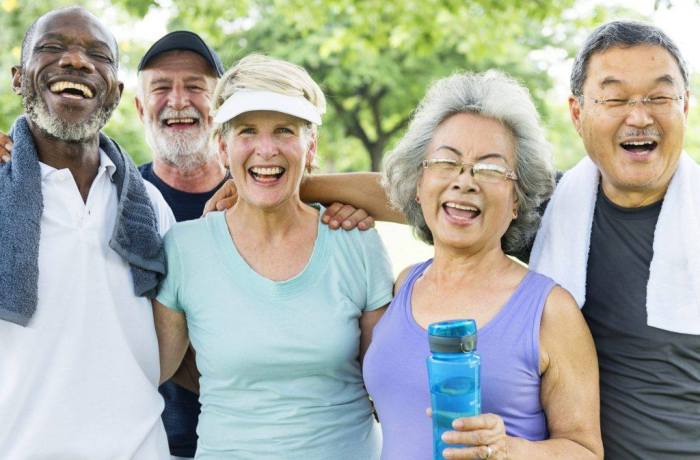
Emotional well-being is a crucial aspect of overall health, especially for senior citizens. It can impact their quality of life, relationships, and even physical health. Promoting emotional health and resilience in older adults is essential to ensure a fulfilling and happy life in their golden years.
Strategies for Promoting Emotional Health
- Encourage social connections: Engaging in activities with friends and family can help combat feelings of loneliness and isolation.
- Practice gratitude: Encouraging seniors to focus on the positive aspects of their lives can improve their overall mood and well-being.
- Offer mental health support: Providing access to counseling or therapy services can help seniors navigate difficult emotions and challenges.
- Promote relaxation techniques: Teaching relaxation methods such as deep breathing, meditation, or yoga can help seniors manage stress and anxiety.
Impact of Positive Emotional Health
Positive emotional health can lead to improved cognitive function, better physical health outcomes, and increased resilience in the face of life’s challenges.
Seniors who prioritize their emotional well-being often report higher levels of satisfaction and contentment in their daily lives. They are better equipped to cope with stress, maintain relationships, and find joy in simple pleasures.
Health Motivation
As we age, it becomes increasingly important to prioritize our health and well-being. Motivating senior citizens to take care of themselves can significantly impact their quality of life and overall health. By implementing motivational techniques, we can inspire older adults to lead healthy lifestyles and make positive choices for their well-being. Let’s explore the role of motivation in sustaining long-term health behaviors in seniors.
The Power of Positive Reinforcement
Positive reinforcement is a powerful motivational tool that can encourage senior citizens to prioritize their health. By rewarding healthy behaviors such as regular exercise, balanced nutrition, and consistent medical checkups, older adults are more likely to continue these habits in the long run. Whether it’s through praise, incentives, or tangible rewards, positive reinforcement can help seniors stay motivated and committed to their health goals.
Setting Achievable Goals, Wellness programs for senior citizens
Another effective way to motivate senior citizens is by helping them set achievable health goals. By breaking down larger objectives into smaller, manageable steps, older adults can track their progress and celebrate their successes along the way. Whether it’s aiming to walk a certain number of steps each day, improve flexibility through yoga practice, or maintain a healthy weight, setting achievable goals can keep seniors motivated and engaged in their health journey.
Creating a Supportive Environment
Building a supportive environment for senior citizens is crucial in maintaining their motivation to prioritize health. Whether it’s through group fitness classes, health education workshops, or social activities centered around well-being, creating a community that values health and wellness can inspire older adults to stay committed to their health goals. By surrounding themselves with like-minded individuals who share similar health aspirations, seniors can feel supported and encouraged throughout their wellness journey.
Physical Activities
Regular physical activity is crucial for seniors to maintain their health and well-being. Engaging in suitable exercises can help improve mobility, strength, and overall quality of life in older adults.
Suitable Physical Activities for Seniors
- Walking: A simple yet effective way to stay active, improve cardiovascular health, and maintain joint flexibility.
- Swimming: Low-impact exercise that works all major muscle groups without putting stress on the joints.
- Chair Yoga: Gentle yoga poses done while seated, promoting flexibility, balance, and relaxation.
- Cycling: Stationary bikes provide a safe and effective way to improve leg strength and cardiovascular fitness.
Benefits of Regular Physical Activity
- Improved Mobility: Enhances flexibility, balance, and coordination, reducing the risk of falls.
- Strength and Endurance: Helps maintain muscle mass and bone density, supporting overall physical function.
- Mental Health: Exercise releases endorphins, boosting mood and reducing stress and anxiety.
- Heart Health: Reduces the risk of heart disease, stroke, and other cardiovascular conditions.
Health Awareness
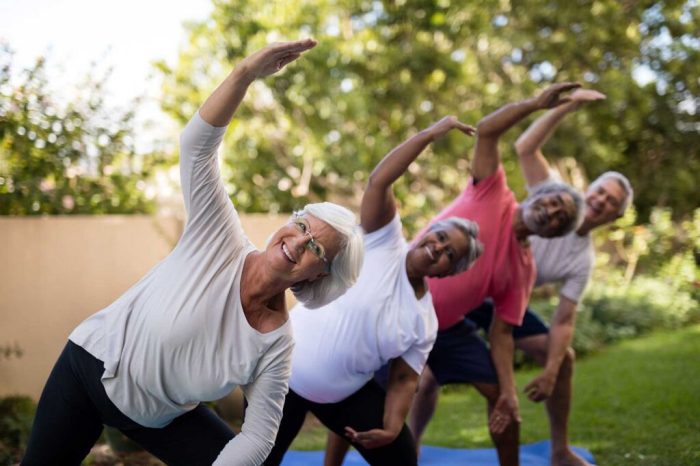
Raising health awareness among senior citizens is crucial for ensuring their overall well-being and quality of life. By educating the elderly population about various health issues, preventive measures, and healthy lifestyle choices, we can empower them to take control of their health and make informed decisions.
Increasing health literacy and awareness in seniors can be achieved through various means, such as interactive workshops, educational sessions, informational materials, and one-on-one consultations with healthcare professionals. It is essential to simplify complex health information, use clear language, and provide practical tips that are easy to follow.
Role of Health Awareness Campaigns
- Health awareness campaigns play a vital role in promoting preventive healthcare for seniors by highlighting the importance of regular health check-ups, screenings, and vaccinations.
- These campaigns raise awareness about common health issues faced by the elderly, such as heart disease, diabetes, osteoporosis, and Alzheimer’s disease, encouraging early detection and intervention.
- By fostering a culture of health awareness, seniors are more likely to adopt healthy behaviors, engage in physical activities, maintain a balanced diet, and seek timely medical assistance when needed.
Preventive Medicine
Preventive medicine plays a crucial role in senior healthcare by focusing on strategies to prevent diseases and maintain overall well-being. By taking proactive steps to address potential health risks, seniors can enhance their quality of life and increase longevity.
Significance of Preventive Medicine for Seniors
- Regular health screenings can help detect issues early on, allowing for timely intervention and treatment.
- Healthy lifestyle choices, such as eating a balanced diet and staying physically active, can reduce the risk of chronic conditions.
- Vaccinations can protect seniors from infectious diseases and prevent complications.
- Medication management and adherence to prescribed treatments can help control existing health conditions and prevent complications.
Examples of Preventive Measures for Seniors
- Annual physical exams to monitor overall health and identify any potential concerns.
- Regular exercise routines to improve cardiovascular health, strength, and flexibility.
- Healthy eating habits that focus on nutrient-dense foods and portion control.
- Mental health support through activities like meditation, mindfulness, or therapy to reduce stress and improve emotional well-being.
Benefits of Preventive Medicine for Seniors
- Enhanced quality of life by maintaining physical and mental health.
- Reduced healthcare costs by preventing the progression of diseases and avoiding costly treatments.
- Improved longevity by minimizing the risk of developing serious health conditions.
- Increased independence and ability to engage in daily activities with ease.
Nutritional Counseling
Nutritional counseling plays a crucial role in supporting the dietary needs of senior citizens by providing personalized guidance and recommendations to help them maintain a healthy and balanced diet as they age.
Tips for Working with a Nutritionist
- Communicate your dietary preferences and restrictions clearly to your nutritionist to ensure a tailored meal plan.
- Be open to trying new foods and recipes suggested by your nutritionist to incorporate variety into your diet.
- Regularly review and discuss your progress and any challenges you may be facing with your nutritionist to make necessary adjustments.
- Stay committed to following the meal plan provided by your nutritionist to achieve optimal health benefits.
Benefits of Nutritional Counseling for Seniors
- Nutritional counseling helps seniors develop healthier eating habits, leading to improved overall wellness and quality of life.
- It can address specific health concerns and conditions, such as diabetes or heart disease, through targeted dietary recommendations.
- Personalized meal plans can help seniors meet their nutritional requirements, ensuring they get essential vitamins and minerals for optimal health.
- Regular consultations with a nutritionist can provide ongoing support and motivation to stick to a healthy eating plan.
Healthy Mind
Maintaining a healthy mind is crucial for overall well-being in senior citizens. A sharp mind can help improve memory, cognitive function, and emotional resilience, leading to a better quality of life as individuals age.
Mental Exercises and Activities
- Engage in brain teasers and puzzles to stimulate cognitive function.
- Practice mindfulness and meditation to reduce stress and improve focus.
- Stay socially active by participating in group activities and maintaining relationships with friends and family.
- Learn new skills or hobbies to challenge the mind and keep it sharp.
Strategies for Positive Mindset
- Cultivate gratitude by keeping a daily journal of things you are thankful for.
- Practice positive self-talk and challenge negative thoughts with affirmations.
- Stay physically active to boost mood and promote mental well-being.
- Seek professional help if needed to address any mental health concerns.
FAQ Compilation
What are some examples of nutritious snacks suitable for senior citizens?
Some examples include nuts, Greek yogurt, fruit smoothies, and whole grain crackers.
How can wellness programs benefit senior citizens?
Wellness programs can improve physical health, emotional well-being, and social connections among seniors.
What is the role of health coaching in senior wellness?
Health coaching provides personalized support to seniors in achieving their health goals and maintaining overall well-being.


More Stories
Preventive Medicine and Health Education: Promoting Wellness Through Education
Importance of womens health checkups: Ensuring Well-being Through Regular Screenings